


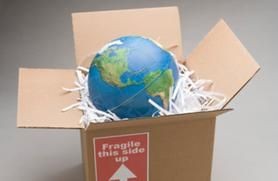
Packed peanuts are a oil sludge of shipping supplies. They are everywhere, a nightmare to recycle, and often end up in landfills or blown onto the floor. If you have a stash, it is better to reuse it than to throw it away. But if you’re ready to end the static nightmare, there are plenty of options. The goal is simple. Use waste to pad packages or offer something really useful to the recipient.
This way you can throw away the styrofoam without spending a lot of money.
Paper Products That Are Already In Your Bin
You may have surplus of paper waste. The trick is to use it before it is recycled.
1.Newspaper
Newspaper is a classic paper that can be balled up, torn into strips or wrapped directly around breakable objects. It provides decent cushioning. Do not use on white silk or light fabrics as the ink will transfer. It’s biodegradable and recyclable, giving you a clean exit strategy at the end of its life.
2.Magazines
The glossy pages is thicker than newspaper. Ideal for separating breakable items. Can be crinkle them up for bulk filler or wrap items individually. The gloss makes it less absorbent, which is useful when transporting moisture-sensitive items.
3. Junk Mail
We all get it. We all hate it. Perfect for packing. Crumpled junk mail effectively fills voids in boxes. It is light, takes up space and does not add weight to shipment. It’s also designed to be disposable, so you can use it as packing material no one feels bad.
4. Office Paper Waste
Shredded paper is the ultimate void filler. It conforms to the shape of the box. However, there is a catch. If the paper contains confidential information, do not use it. A simple data breach is not worth saving a few dollars on packaging materials. Use a blank sheet of paper or non-sensitive drafts.
5. Wrapping paper
Saving wrapping paper during the holidays is a smart thing to do. Don’t try to wrap a gift, it probably won’t look fresh the second time. Instead, use it as interior padding. If it’s too hard, Tear it up or roll it into a tube to protect long, narrow items like picture frames and vases.
Reusable and flexible options
Some materials can be washed, reused and repackaged multiple times. These are the workhorses of sustainable shipping.
6.Re-sealable Sandwich Bags
These are underrated. Wash them out, let them dry, and fill them with air. They act like tiny air pillows. Perfect for filling gaps in boxes that aren’t full. Provides soft and flexible cushioning. In addition, it is durable enough to be used again and again.
7. Plastic Bags and Packaging
Flexible plastic packaging, like those found in dry cleaners and the produce section, is a great space-filler. Because it molds to fit the shape of the object, it cushion breakables well. Make sure it is clean and dry. It is versatile and can be folded into tight spaces where rigid materials cannot fit.
The Unexpected Fillers
These options go beyond ordinary recycling bins. They are creative, sometimes edible and always effective.
8.Old Clothes
Shabby shirts, torn jeans and socks are a treasure trove. Cut them into pieces or use them whole. The perfect space filler for large boxes. If you’re sending a fragile item, wrap it in an old T-shirt to create a soft protective layer. Extends the useful life of textile products that would otherwise be waste.
9. Yarn
This is a niche strategy. If you are sending the package to a knitting or craft store, fill the gaps with skeins of yarn. It’s light and colorful, so it’s perfect as a gift. The recipient of the gift receives the gift and the product is completed. It turns waste into value.
10. Popcorn
It’s crazy. Sounds dangerous. wonderful. If you’re sending a package to a close friend or family member, fill the empty space with a small bag of fresh popcorn. Thanks to its large size, it absorbs the load surprisingly well. This is an added treat. Remember to tell the recipient not to eat popcorn if it comes into contact with non-food packaging. This is a fun and waste-free option for transporting food safely.
Cleaning and company scale
Can these materials be sterilized? Yes. Resealable bags and plastic packaging can be cleaned and disinfected so that they can be reused cleanly. Hygiene is important, especially with food or objects that come into contact with the skin.
How do companies achieve this? It starts with scale. Instead, companies can buy biodegradable or recyclable materials in bulk. You can encourage your suppliers to adopt sustainable practices. Creating standard procedures for green packaging reduces costs and environmental impact. This is not just a trend. that


