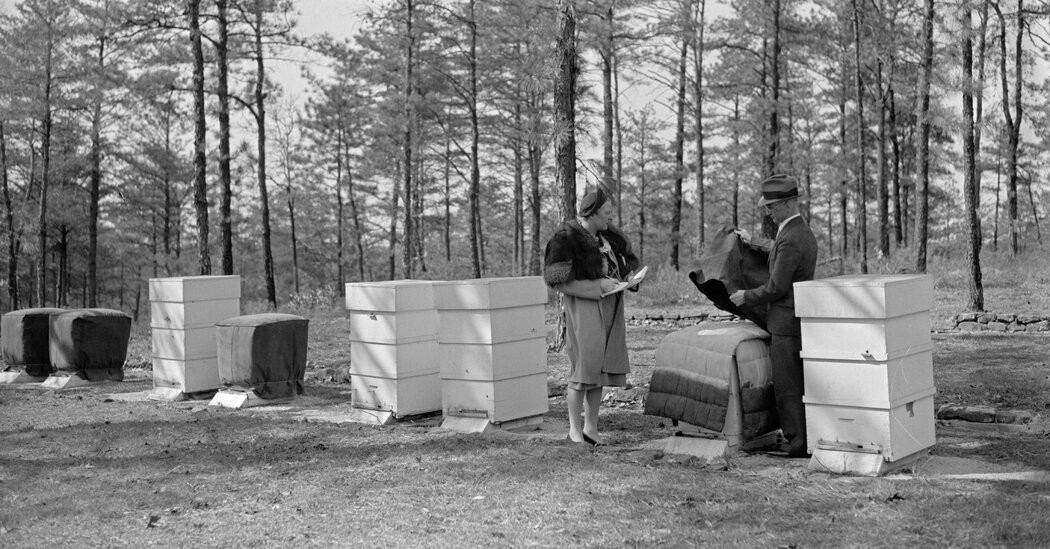
The Beltsville Agricultural Research Center (BARC), the nation’s oldest and most comprehensive agricultural research facility, is slated for closure under current administration plans. This decision has sparked concern among beekeepers, farmers, and scientists who rely on the center’s century-long legacy of breakthroughs in food safety, animal and plant science, and disease research.
A History of Critical Research
For over 115 years, BARC, spread across 6,500 acres in Maryland, has been a cornerstone of agricultural advancement. Its work has directly impacted American life: from developing the modern Thanksgiving turkey to combating threats to global chocolate production and pioneering methods for measuring trans fats. The center stands out as the most diverse research complex within the Agricultural Research Service, hosting over a third of the agency’s highest-ranked scientists.
The Rationale for Closure and the Backlash
The Agriculture Department justifies the move as a cost-saving measure designed to align the agency more closely with farming communities. However, critics argue that dispersing BARC’s operations will disrupt ongoing research, potentially leading to delays and the loss of valuable expertise. Matthew Mulica, from the Honey Bee Health Coalition, calls it a “huge gamble,” warning that such a move could set agricultural progress back a decade.
What’s at Stake?
The decision raises questions about the long-term impact on agricultural innovation. BARC’s extensive collaborations with NASA and nearby universities mean its closure could also affect interagency research. The logistical challenges of relocating such a large and complex facility are significant, and the potential for brain drain — experienced scientists leaving rather than relocating — is a serious concern.
The loss of BARC would not only disrupt current research but also undermine the foundation of future agricultural breakthroughs. Its unique breadth of expertise is irreplaceable.
The planned shutdown of BARC represents a critical juncture for American agriculture. Whether the administration will reconsider its plans remains to be seen, but the stakes are clear: the future of food production and research may depend on preserving this historic institution.