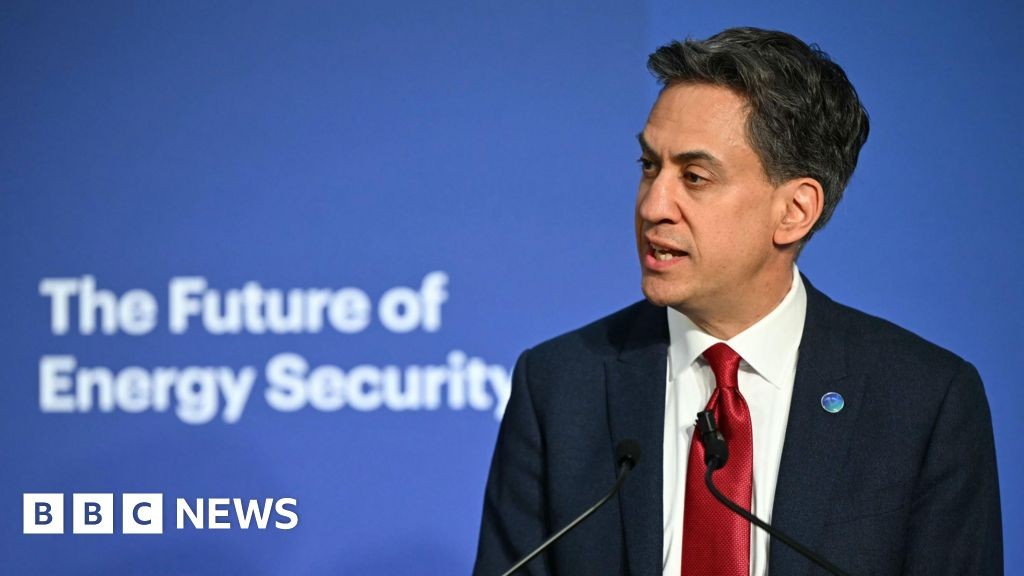
MPs are raising concerns that the rapid expansion of energy-intensive data centers is not adequately factored into the UK’s plans to achieve net-zero carbon emissions by 2050. The issue has prompted calls for clarification from Energy Secretary Ed Miliband, with questions surrounding whether projected emissions increases have been properly accounted for in the nation’s Sixth Carbon Budget.
The Rising Demand for Data Centers
Data centers—massive facilities housing powerful computers that run digital services like streaming, AI, and cloud computing—are essential to the UK’s ambition to become an “AI superpower”. However, these facilities consume vast amounts of electricity, some of which is sourced from fossil fuels, including gas-powered generators.
Currently, the UK government relies on a carbon-reduction plan, the Seventh Carbon Budget, that doesn’t explicitly account for the growing impact of these centers. According to sources within the Department for Energy Security and Net Zero (DESNZ), emissions from data centers are included in their modeling. However, critics argue that the scale of planned expansion presents a significant challenge to meeting climate targets.
Scale of Expansion and Policy Concerns
Nearly 100 new data centers are already in the planning stages, largely funded by US tech giants like Google. The UK has designated these facilities as critical national infrastructure, which limits local opposition to their construction.
The Environmental Audit Committee, chaired by Labour MP Toby Perkins, is investigating whether the government has accurately projected emissions increases from these centers. Concerns center on whether the Seventh Carbon Budget will be met if growth in demand exceeds forecasts.
Divergent Perspectives
Experts disagree on the severity of the risk. DESNZ claims to have factored in growth, while environmental groups like Friends of the Earth warn that the current plans may not balance the carbon books. Ten of the largest planned data centers alone could increase the UK’s annual emissions by 2.75 million tonnes of CO2, effectively negating carbon savings expected from electric vehicle adoption in 2025.
Electricity Demand and Future Uncertainty
Electricity demand from data centers is expected to surge from 7.6 TWh in 2025 to between 30-71 TWh by 2050. The National Energy System Operator (NESO) anticipates increased reliance on on-site gas-fueled generation as a backup power source.
While some within the government downplay the threat, the issue remains a critical challenge. Prime Minister Keir Starmer’s push for AI leadership through AI Growth Zones further accelerates data center development, raising the stakes for meeting net-zero commitments.
Conclusion
The expansion of data centers poses a real threat to the UK’s net-zero goals, as current policy may not fully account for their energy demands and emissions. The challenge lies in balancing innovation with climate responsibility, ensuring that the pursuit of AI leadership doesn’t come at the expense of environmental targets.