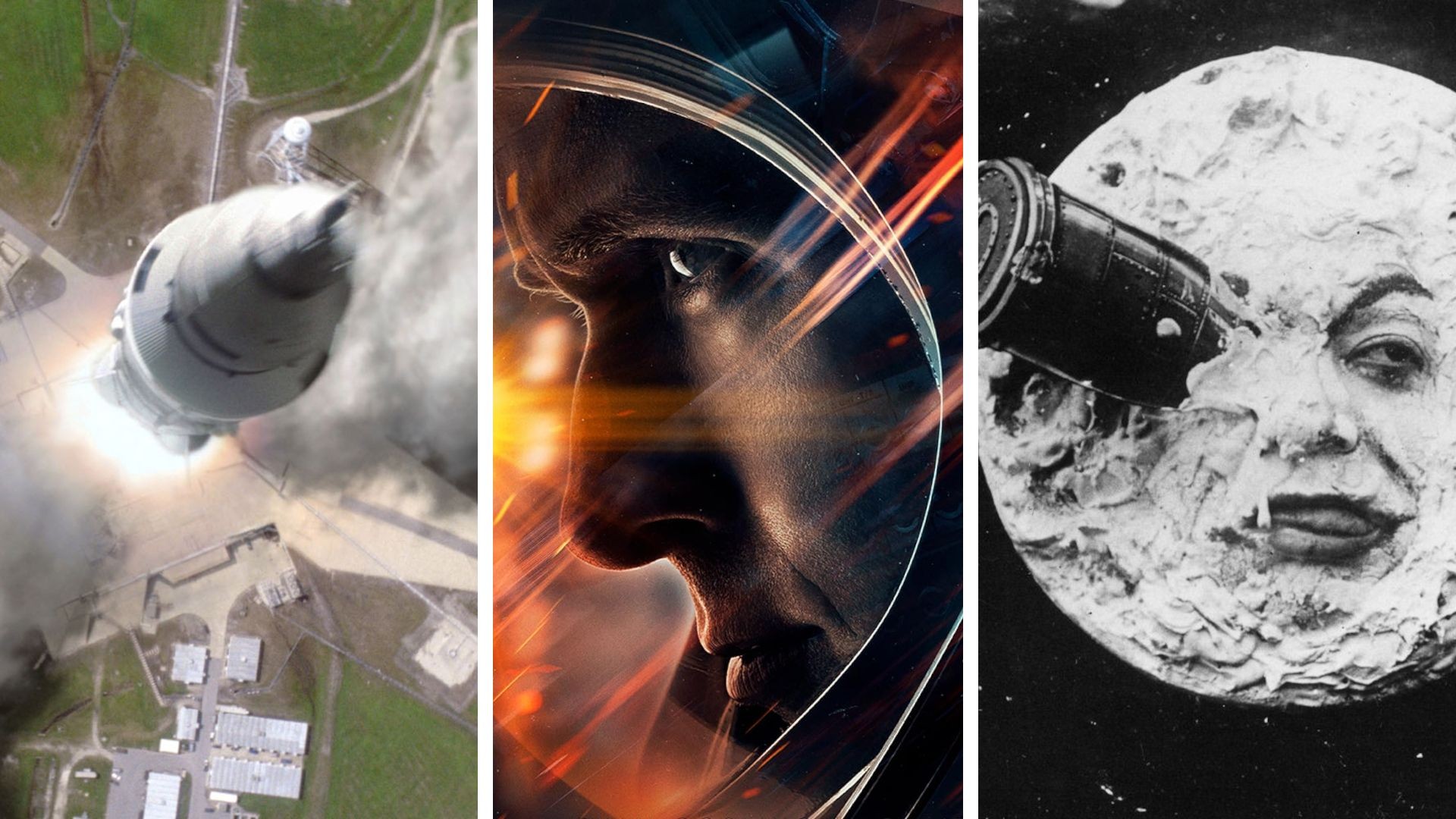
For over a century, filmmakers have been captivated by the moon, crafting stories of lunar exploration that range from the fantastical to the historically accurate. As NASA prepares for its Artemis 2 mission – humanity’s return to lunar orbit after 54 years – it’s an ideal moment to revisit the best cinematic depictions of our celestial neighbor. From silent shorts to modern blockbusters, these films reflect our enduring fascination with the pale beauty hanging in the night sky.
The Early Visions: From Jules Verne to Méliès
The earliest cinematic forays into lunar adventure were often direct adaptations of science fiction literature. Jules Verne’s 1865 novel, From the Earth to the Moon, was a major source of inspiration , and the 1958 film adaptation, From The Earth To The Moon, captured the spirit of the era. But the true genesis of lunar cinema lies with Georges Méliès’ 1902 masterpiece, A Trip to the Moon .
This groundbreaking silent film, a mere 13 minutes long, remains astonishing for its imaginative visuals and surreal storytelling. Featuring a bullet-shaped spacecraft launched from a cannon, dancing girls, and alien moon dwellers, it set the template for decades of space-bound fantasy. A Trip to the Moon wasn’t just a film; it was the Star Wars of its time, influencing generations of filmmakers.
Cold War Space Race and Beyond: Realism and Paranoia
The Space Race between the US and Soviet Union injected a new level of urgency into lunar cinema. Films like Countdown (1967) captured the tension of the era, depicting a desperate NASA attempt to beat the Soviets to the moon by sending a geologist on a one-way mission. This period also saw the emergence of more grounded portrayals, such as Destination Moon (1950), which meticulously detailed the logistics of a lunar mission with surprising scientific accuracy for its time.
As the space program matured, so did the films. Apollo 13 (1995), directed by Ron Howard, is the quintessential moon movie, even though it never lands on the lunar surface. It’s a gripping account of the real-life near-disaster of Apollo 13, showcasing the ingenuity and courage of both astronauts and mission control.
Modern Takes: Sci-Fi Horror and Existential Dread
Contemporary cinema has explored darker, more psychological themes in its lunar portrayals. Moon (2009), starring Sam Rockwell, presents a haunting vision of corporate exploitation on the moon. The film’s twist – that Rockwell’s character is a clone destined for replacement – reflects anxieties about automation and the dehumanizing aspects of capitalism.
On the other end of the spectrum, films like Moonfall (2022) and Apollo 18 (2011) dive into B-movie territory, offering absurd premises (the moon falling out of orbit) and extraterrestrial body horror. Though critically panned, these films demonstrate the enduring appeal of pulp sci-fi.
Comedic Detours: Spoofs and Surrealism
Not all lunar films take themselves seriously. Airplane 2: The Sequel (1982) features a zany space shuttle trip to an Alpha Beta Lunar Base, while Moon Zero Two (1969) is a psychedelic British production filled with moon maidens, saloon fights, and a mercenary salvager hunting for sapphires. These films prove that even in outer space, there’s always room for absurdity.
The Future of Lunar Cinema
As Artemis 2 prepares to launch, the next chapter of lunar exploration begins. Whether filmmakers choose to embrace historical accuracy, speculative fiction, or campy horror, the moon will continue to serve as a powerful symbol of human ambition, fear, and wonder. The enduring fascination with our nearest celestial neighbor ensures that lunar cinema will remain a vital part of our cultural landscape.
These films are more than just entertainment; they reflect our evolving relationship with the moon, from romantic dreams of lunar conquest to the gritty realities of space travel. As we look forward to the next generation of lunar missions, one thing is certain: the moon will continue to inspire filmmakers for generations to come.