February 2026 brings a diverse range of science fiction and speculative fiction, offering readers everything from time-bending adventures to fungal horror. The new releases explore well-worn themes—survival, love, and the consequences of unchecked ambition—but with fresh settings and intriguing premises. The sheer variety suggests a growing interest in pushing genre boundaries, with some titles deliberately blurring the lines between science fiction, fantasy, and literary fiction.
Time Travel and Alternate Realities
Several novels hinge on manipulating time, reflecting a broader cultural fascination with correcting past mistakes or escaping present realities. The Forest on the Edge of Time by Jasmin Kirkbride presents a high-stakes scenario: agents travel through history to avert climate disaster, grappling with the paradoxes of intervention. Meanwhile, Amy Tordoff’s All We Have Is Time offers a more intimate take, pairing an immortal woman with a time-traveler in 1605 London—a setup reminiscent of Kaliane Bradley’s The Ministry of Time. These narratives tap into anxieties about the future while acknowledging the power of human connection. Francis Spufford’s Nonesuch, set in an alternate 1939 London, adds another layer, introducing a time-traveling fascist, suggesting that even the past isn’t safe from ideological conflict.
The Far Future and Beyond
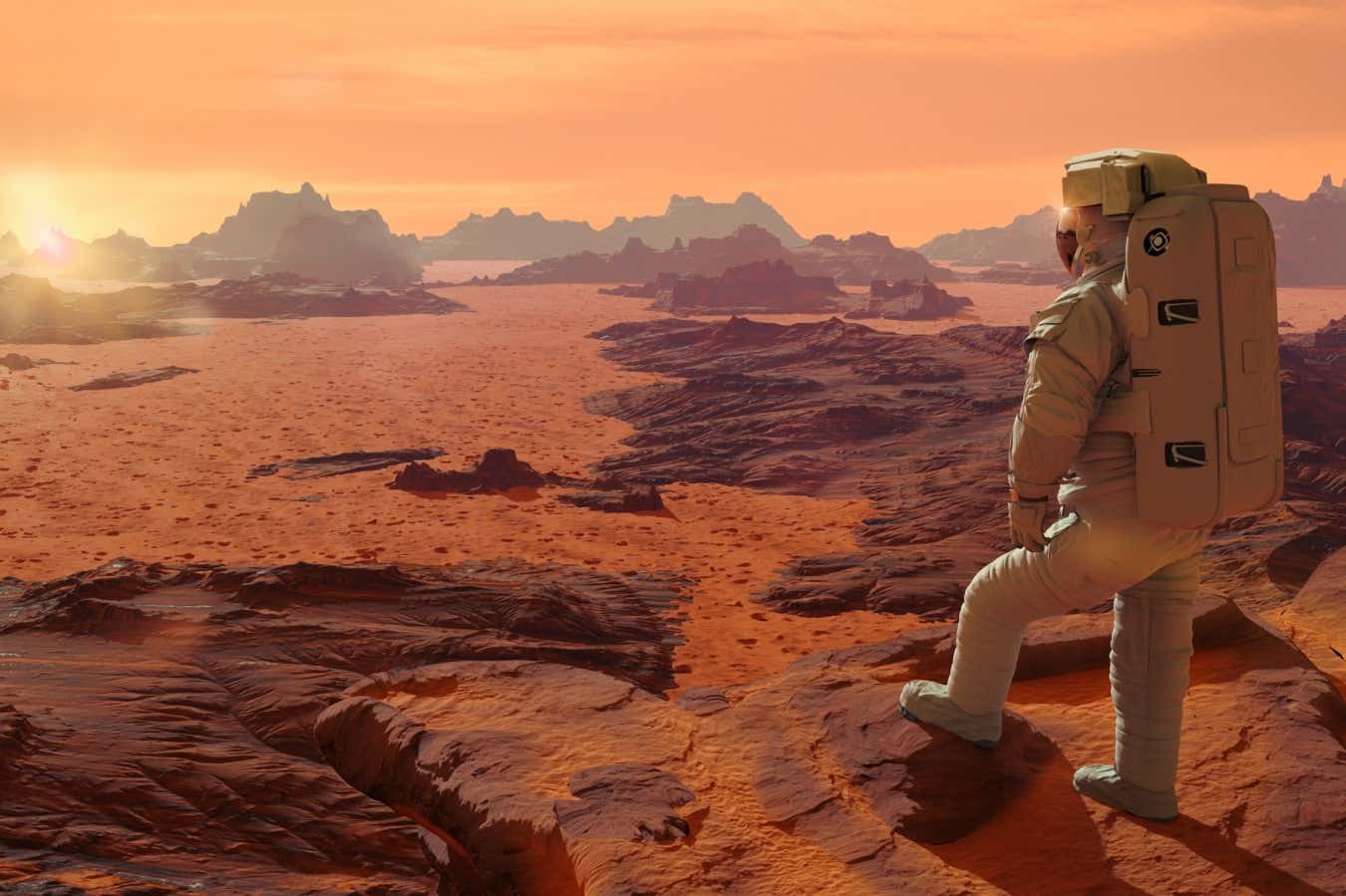
Other titles transport readers to distant worlds or the far-future. Brandon Sanderson’s Isles of the Emberdark continues his Cosmere universe, blending science and fantasy with a story of modernization versus invasion. Michael Swanwick’s The Universe Box offers a collection of short stories that tackle transhumanism, AI, and the blurring lines between reality and simulation. These works showcase the enduring appeal of space opera and the exploration of what it means to be human in an increasingly technological world. Matthew Kressel’s The Rainseekers follows a disgraced journalist on Mars, adding a gritty, realistic edge to the familiar red planet setting.
Horror, Romance, and Social Commentary
February’s offerings aren’t limited to grand sci-fi tropes. Simón López Trujillo’s Pedro the Vast delivers fungal horror, reminiscent of Jeff VanderMeer’s Annihilation, exploring ecological decay and the unsettling power of nature. Hannah Brohm’s Love and Other Brain Experiments leans into STEM romance, while Makana Yamamoto’s The Obake Code offers cyberpunk thrills with a hacker protagonist on Kepler Space Station. The inclusion of these diverse subgenres indicates a broadening audience for speculative fiction, one that embraces both intellectual depth and escapist entertainment.
The Lines Blur: Genre Definitions Under Pressure
The question of what constitutes “science fiction” is explicitly raised, with some books deliberately defying categorization. The inclusion of titles like Brandon Sanderson’s and Francis Spufford’s highlights this trend. This ambiguity isn’t accidental; it reflects a desire to challenge expectations and create works that resonate on multiple levels. The publishers are intentionally prompting debate, suggesting a willingness to experiment with form and content.
The February 2026 lineup of science fiction demonstrates the genre’s vitality and adaptability. Whether readers seek dystopian futures, romantic escapes, or mind-bending horror, this month’s releases offer a compelling array of worlds to explore. The blurring of genre lines suggests that the future of science fiction lies in its willingness to embrace complexity and defy easy categorization.