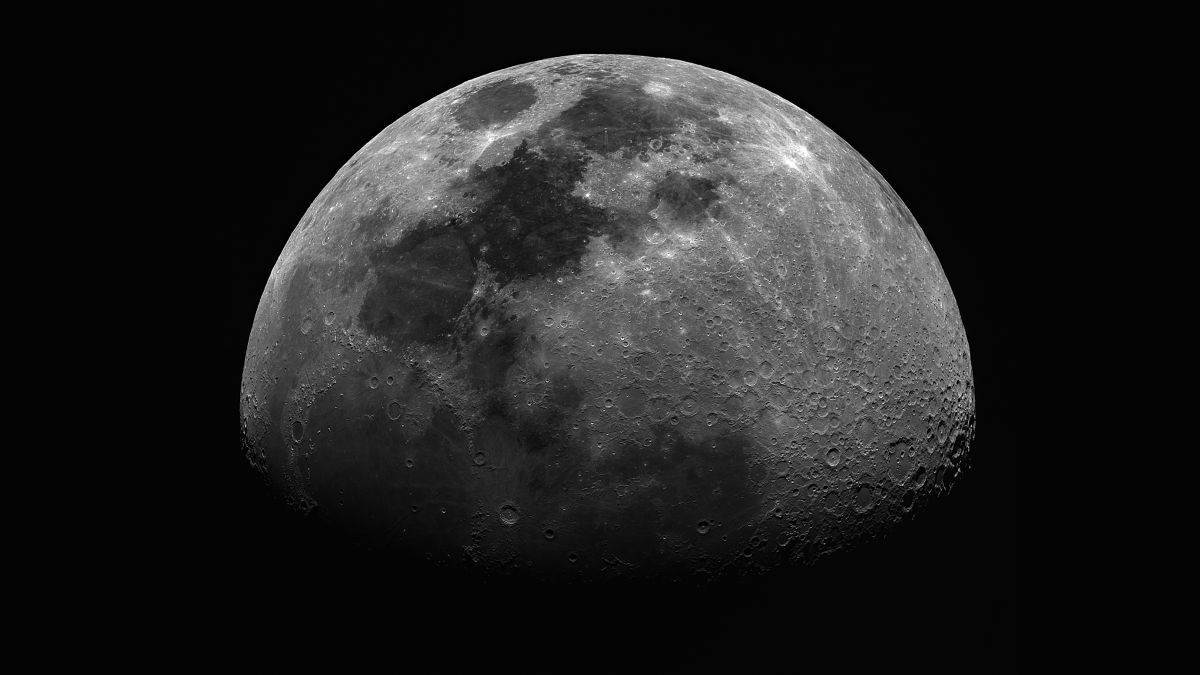
New research confirms that the Moon is still actively shrinking, with widespread tectonic activity across its dark volcanic plains (maria). A global mapping of fault ridges reveals that lunar quakes are far more common than previously assumed, and some of these formations are surprisingly recent – tens of millions of years old. This discovery has significant implications for future lunar missions and potential long-term bases.
Lunar Tectonics: More Active Than Expected
For decades, scientists have observed lobate scarps – ridge-like formations – in the Moon’s highlands, suggesting slow contraction over billions of years. However, this study provides the first complete picture of similar activity across the lunar maria, the vast dark plains formed by ancient volcanic eruptions. Geologist Cole Nypaver of the Smithsonian Institution explains, “This work helps us gain a globally complete perspective on recent lunar tectonism… leading to a greater understanding of its interior.”
How the Moon Shrinks
The Moon formed roughly 4.5 billion years ago as a molten sphere. As it cooled, it contracted, causing its surface to wrinkle. This process continues today, though at a slow rate. The evidence appears in the form of small mare ridges (SMRs) – compressional features formed by shallow thrust faults in the basalt plains.
Researchers mapped 1,114 previously undocumented SMR segments using high-resolution images from NASA’s Lunar Reconnaissance Orbiter, adding to existing surveys for a total of 2,634 segments across both sides of the Moon.
Dating the Wrinkles
Directly dating these ridges is impossible, but scientists used a clever method: moonquakes triggered by fault slips erase nearby impact craters. By counting remaining craters, they estimated the last movement of each fault. The analysis suggests SMRs formed between 310 and 50 million years ago, with the youngest being around 52 million years old. This timeframe aligns closely with the average age of highland scarps, indicating a unified contraction system.
What This Means for the Future
The Moon has shrunk by roughly 0.003 to 0.004 percent, though the researchers believe this contraction is consistent across both highlands and maria. This means that the Moon’s internal activity poses risks to future infrastructure on the surface. As geologist Tom Watters states, “The widespread presence of recently or currently seismically active tectonic features… provides new opportunities for future lunar missions and investigations.”
The continued shrinkage of the Moon is a reminder that even seemingly static celestial bodies are dynamic systems with ongoing geological processes. The findings emphasize the need for detailed seismic monitoring as humanity expands its presence beyond Earth.