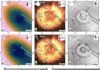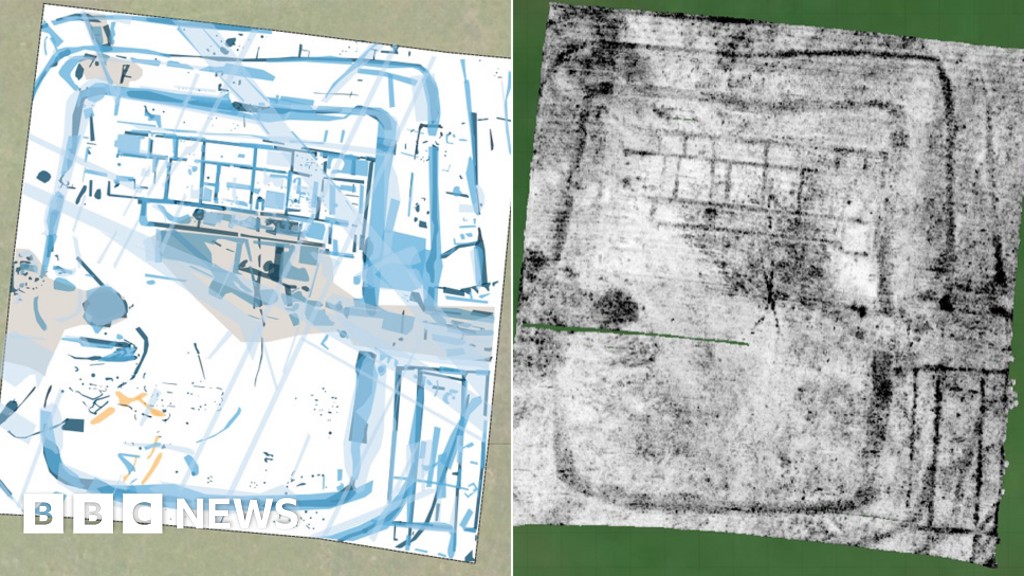
Archaeologists have unearthed the largest Roman villa ever found in Wales, located beneath Margam Country Park near Port Talbot. The discovery, revealed through ground-penetrating radar, has been described as potentially “Port Talbot’s Pompeii” due to the exceptional state of preservation.
Unprecedented Find
The villa, spanning 572 square meters, is a significant find for Welsh history, offering unprecedented insight into Roman life in the region. Unlike most known Roman remains in Wales, which consist of military installations, this estate was a luxurious residence likely belonging to a high-ranking local official. Dr. Alex Langlands, the project lead, noted that the structure’s intact condition is remarkable due to centuries of undisturbed land in the park’s historical deer enclosure.
Rewriting History
The discovery challenges previous assumptions about Roman influence in South Wales. Experts now believe this region was not a mere borderland but a sophisticated territory with buildings comparable to those found in England’s agricultural heartlands. The villa demonstrates that Margam, potentially the origin of the region’s name Glamorgan, was a major center of power during the Romano-British period.
Key Features
The villa includes a corridor-style design with two wings and a veranda, featuring six main rooms and eight additional chambers. Geophysical surveys also revealed a nearby 354 square meter aisled building, likely used as a barn or meeting hall. The team employed advanced 3D mapping to visualize the site, ensuring precise documentation of the villa’s layout and surrounding features.
Preservation and Future Excavation
To prevent looting, the exact location remains confidential. The immediate focus is conservation, followed by further research and fundraising for extensive excavation. The site’s undisturbed nature suggests well-preserved artifacts, potentially shedding light on daily life during the first through fifth centuries AD. The open day at Margam Abbey Church on January 17th will reveal more details.
The discovery has generated excitement among locals, with many expressing pride in the historical significance of the find. As one resident put it, “This will put us on the map… and we’ll be proud.” The villa’s potential to reshape understanding of Roman Wales is clear: this is a landmark find that could redefine the region’s history.