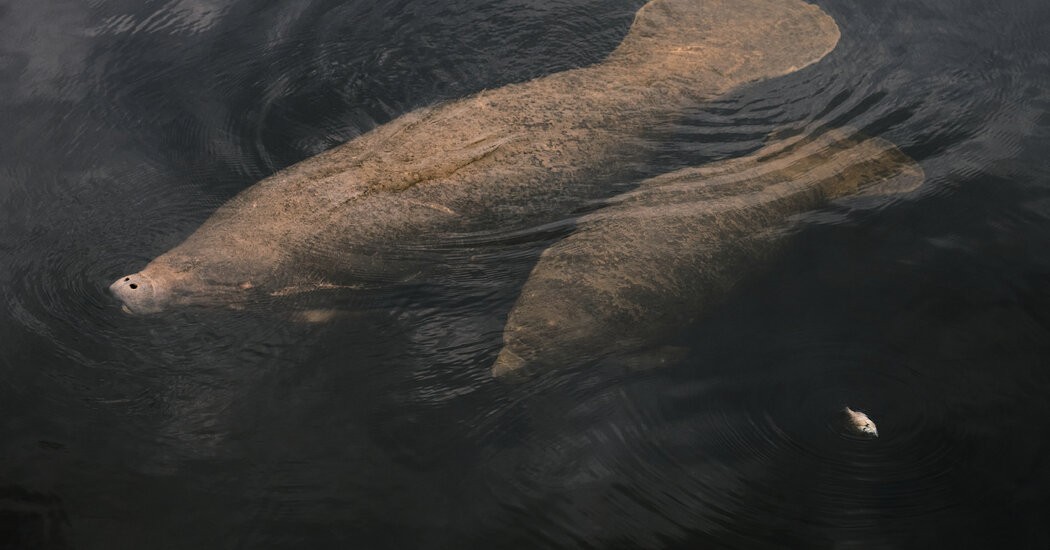
A recent tragedy in Cape Coral, Florida, has once again highlighted a growing crisis for one of the state’s most iconic species. A female manatee, measuring over nine feet in length, succumbed to injuries sustained in a boat strike. Despite being rushed to a rehabilitation center, the animal died 10 days later due to severe damage to its ribs and lungs.
This loss is not an isolated incident; it is part of a troubling trend of human-wildlife conflict occurring in Florida’s waterways.
A Growing Seasonal Risk
Since the beginning of the year, at least 31 manatees have been killed in boat collisions across Florida. While these incidents occur year-round, experts warn that the risk intensifies significantly during the spring months.
This seasonal spike is driven by two overlapping factors:
1. Increased Boating Activity: As weather warms, more recreational boaters take to the water.
2. Manatee Migration: Manatees are currently migrating from their winter sanctuaries toward their summer ranges.
Cora Berchem, a research associate with the nonprofit Save the Manatee Club, notes that these “sea cows” are currently highly active and can be found in almost all Florida waterways. This movement increases the likelihood of encounters in rivers and shallow coastal areas where boat traffic is often heavy.
Understanding the Species at Risk
Manatees are large, slow-moving aquatic mammals characterized by their grayish-brown skin and sparse hair. To understand why they are so vulnerable to boat strikes, it is helpful to consider their physical profile:
– Size: Adults average between 9 and 10 feet in length.
– Weight: They can weigh up to 1,000 pounds.
– Nature: Their slow movement and tendency to inhabit shallow estuaries make them difficult for fast-moving vessels to detect and avoid in time.
How Boaters Can Help
The period between now and November—when manatees typically return to calmer winter sanctuaries—is a critical window for conservation. Experts urge boaters to exercise heightened caution, particularly in shallow waters and known habitats.
The survival of the species depends heavily on human awareness and the willingness of recreational users to adjust their behavior in shared aquatic spaces.
The increasing frequency of these collisions suggests that as Florida’s waterways become more crowded, the margin for error for both humans and manatees continues to shrink.
As manatees migrate through Florida’s waterways this spring, increased boater vigilance is essential to prevent further avoidable deaths.