Astrophotography, the art of capturing the night sky, demands more than just a capable camera. While investing in a high-quality astrophotography camera is the first step, achieving truly stunning images requires a carefully selected range of accessories. Many beginners mistakenly believe that simply pointing a camera skyward will yield results; in reality, success relies on mitigating technical challenges and optimizing equipment for low-light conditions. This guide outlines the key accessories that separate casual stargazers from serious astrophotographers.
The Importance of Light Gathering: Wide Aperture Lenses
The most crucial accessory is a lens with a wide aperture (e.g., f/1.4 or faster). Unlike daylight photography, astrophotography deals with incredibly faint light sources. A wider aperture gathers significantly more light, allowing for shorter exposure times and lower ISO settings.
- Shorter Exposures: Reduce star trailing caused by Earth’s rotation.
- Lower ISO: Minimize image noise, preserving detail in faint stars.
Investing in a fast lens is not just about convenience; it’s about maximizing the signal-to-noise ratio in your images, which makes all the difference when capturing deep-sky objects.
Stability is Key: A Robust Tripod
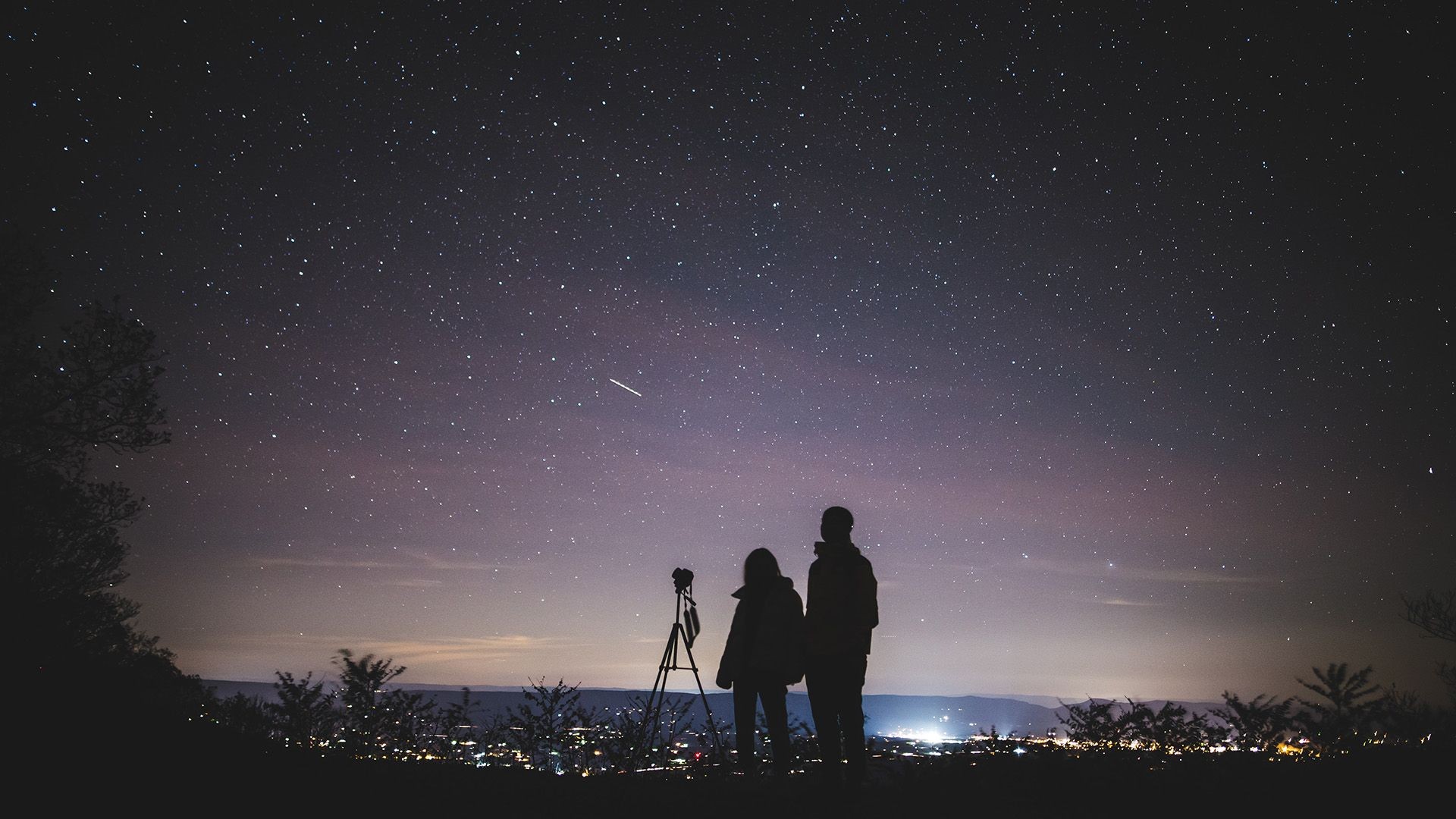
Long exposures are fundamental to astrophotography, meaning even the slightest movement can ruin a shot. A sturdy tripod is non-negotiable. Unlike casual photography, where a shaky tripod might only result in slight blur, in astrophotography, it can render an entire image unusable.
Choose a tripod designed for stability, capable of handling the weight of your camera and lens without vibration. The goal is to keep the camera perfectly still for seconds or even minutes at a time, ensuring that stars appear sharp and well-defined.
Countering Earth’s Rotation: Star Trackers
Earth’s rotation causes stars to appear to move across the sky, resulting in star trails during long exposures. Star trackers solve this by precisely compensating for this movement.
These devices slowly rotate your camera to match the apparent motion of the stars, effectively keeping them stationary in your images. Without a star tracker, achieving sharp, high-resolution astrophotos at slower shutter speeds is nearly impossible.
Navigating the Cosmos: Stargazing Apps
Modern stargazing apps are an invaluable tool for any astrophotographer. They go beyond traditional star charts, offering real-time visibility data, planetary positions, and deep-sky object locations.
- Target Acquisition: Quickly identify and frame celestial objects.
- Planning: Determine optimal shooting times and locations.
- Learning: Understand the night sky and seasonal patterns.
These apps streamline the planning process, allowing you to maximize your time under the stars and capture the most compelling subjects.
In conclusion, while a good camera is the foundation, astrophotography success depends on a thoughtful selection of accessories. Investing in wide aperture lenses, a stable tripod, a star tracker, and a stargazing app will not only improve your image quality but also streamline your workflow, allowing you to spend more time capturing the beauty of the cosmos.