The night sky is about to host a celestial display as the Lyrid meteor shower approaches. Starting in just one week, Earth will pass through the debris trail left behind by Comet C/1861 G1 Thatcher, creating a series of brilliant streaks across the spring sky.
What are the Lyrids?
Meteor showers occur when Earth intersects the path of cosmic dust and debris shed by a comet. As these tiny fragments collide with our atmosphere at incredibly high speeds, the friction generates intense heat, causing the particles to incinerate and create the “shooting stars” we see from the ground.
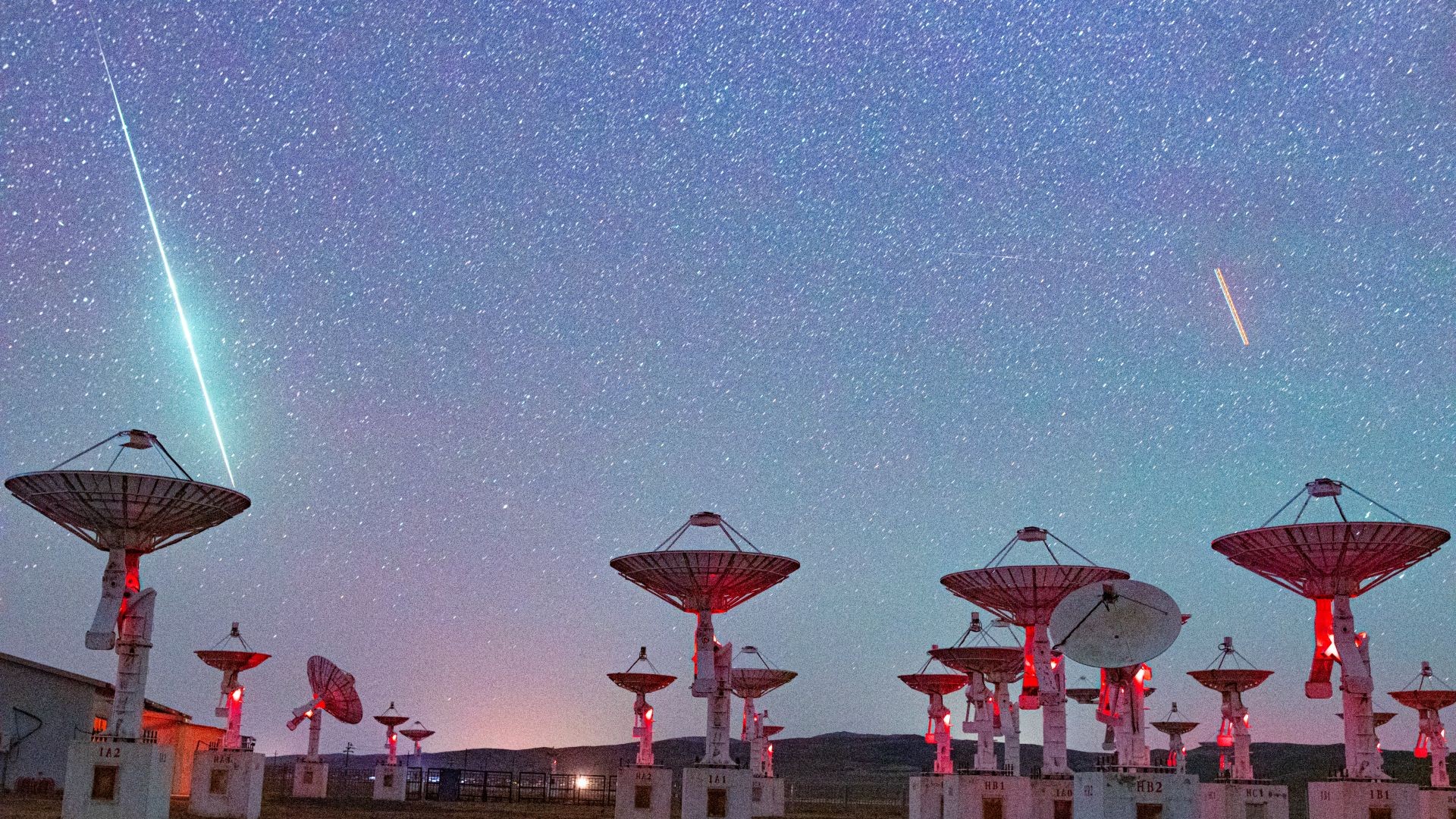
The Lyrid shower is particularly noted for its speed and brightness. While many meteors move quickly without leaving lasting trails, the shower is famous for producing fireballs —exceptionally bright meteors caused by larger chunks of Comet Thatcher entering the atmosphere.
Key Dates and Timing
To catch the best show, you will need to time your viewing according to the shower’s activity cycle:
- Active Period: April 16 – April 25
- Peak Window: The overnight hours of April 21–22
- Expected Frequency: During the peak, the American Meteor Society suggests you may see up to 18 meteors per hour.
How and Where to Watch
To maximize your chances of seeing the Lyrids, pay attention to the following astronomical details:
1. Find the Radiant Point
The meteors will appear to emerge from a specific area in the sky known as the “radiant.” For this shower, that point is located near the bright star Vega within the constellation Lyra. Look toward the northeast in the evening; as the night progresses, this area will climb higher in the sky.
2. Optimize Your Environment
The quality of your view depends heavily on light pollution and moon phases.
* The Moon Factor: Fortunately, the peak on April 22 coincides with a 27%-lit waxing crescent moon that will set early, leaving a dark sky ideal for meteor spotting.
* Escape the City: For the best experience, move away from urban light pollution.
* Let Your Eyes Adjust: It takes roughly 20–30 minutes for human eyes to fully adapt to the dark. Avoid looking at bright white lights during this time.
Pro Tip: If you need a flashlight to navigate, use a red light. Red light is less disruptive to your “night vision” than white or blue light, allowing you to see your surroundings without losing your ability to spot faint meteors.
Capturing the Moment
While the meteor shower is best enjoyed with the naked eye, it is also an excellent subject for astrophotography. Using a digital camera with a wide-angle lens and long exposure settings can help capture the fast-moving streaks that the human eye might miss.
Summary: The Lyrid meteor shower peaks on the night of April 21–22, offering a prime opportunity to witness bright meteors and fireballs under dark, moon-free skies.