For millennia, humans have settled disputes with a simple hand game: rock-paper-scissors. But this isn’t just a human quirk. Evolution itself relies on a similar dynamic, where species constantly adapt and compete in a cycle of dominance, vulnerability, and opportunity. A new study confirms that even at the biological level, life operates on a principle resembling this well-known game.
The Lizard’s Evolutionary Strategy
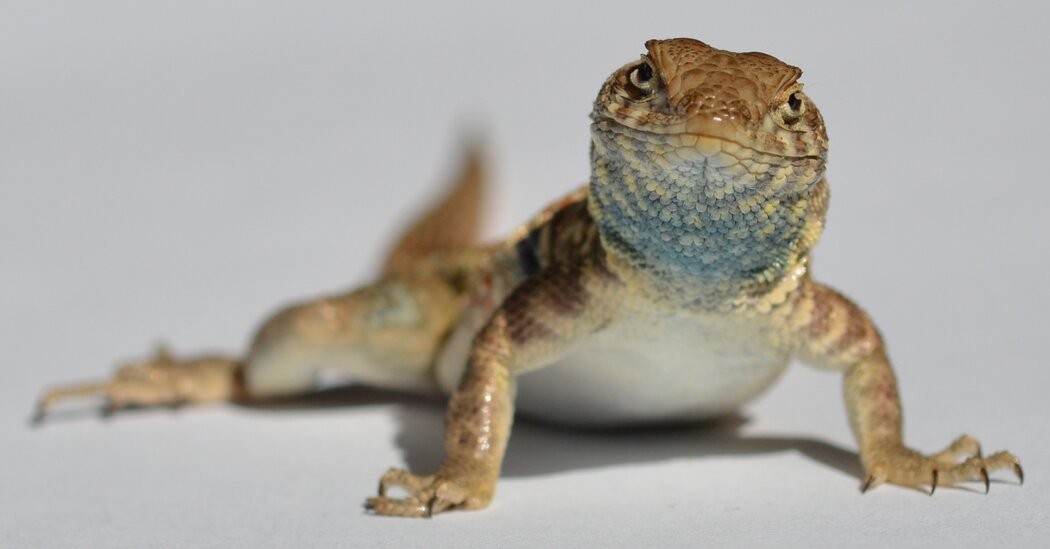
The discovery began decades ago with biologist Barry Sinervo’s research on the common side-blotched lizard in California. Sinervo tracked these lizards over years, observing a peculiar pattern in their mating behavior. Each spring, male lizards developed one of three distinct throat colors: blue, orange, or yellow. These colors weren’t just aesthetic – they dictated the lizard’s entire strategy for reproduction.
- Orange males: Aggressive fighters who aggressively defend territories and monopolize multiple females. They consistently overpower blue males.
- Blue males: Maintain a single female, defending her from orange males but vulnerable to aggressive takeovers.
- Yellow males: Sneaky, non-territorial males who sneak into territories to mate with unattended females.
This creates a natural cycle: Orange beats blue (through force), blue beats yellow (by guarding), and yellow beats orange (by sneaking past defenses).
Why This Matters
This isn’t just about lizards. The rock-paper-scissors dynamic reveals a fundamental truth about evolution. Species aren’t evolving in a straight line towards “better” – they are constantly shifting strategies to counter each other. This constant pressure drives biodiversity. If one strategy becomes too dominant, others will emerge to exploit its weaknesses.
The study highlights that natural selection isn’t just about brute strength or cunning, but about balancing those traits against the backdrop of ever-changing competition. This dynamic extends far beyond lizards; it’s likely at play in countless ecosystems where species jockey for survival.
Ultimately, the lizard’s game demonstrates that nature’s competition isn’t just about survival of the fittest – it’s about survival of the most adaptable.