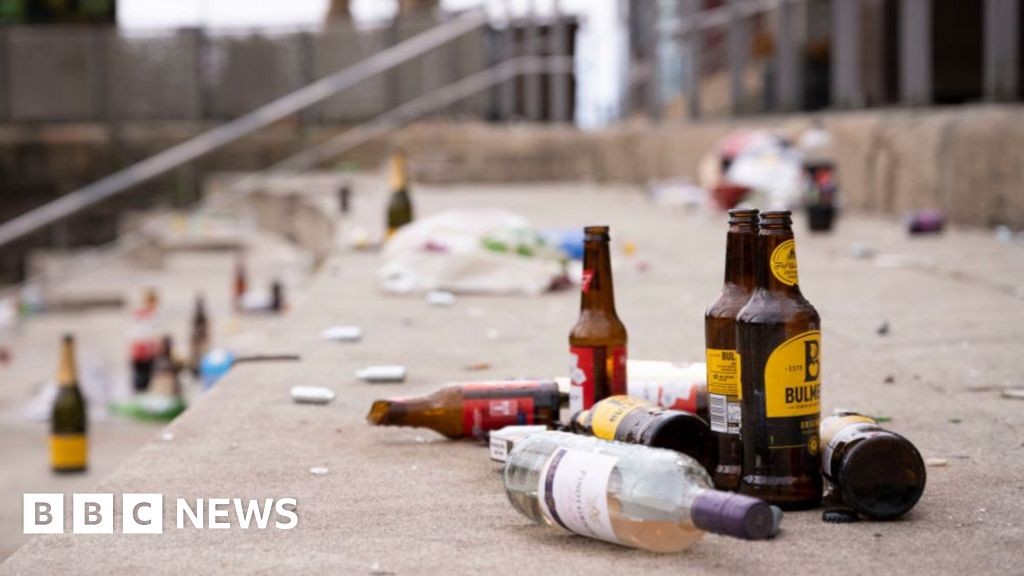
Wales’ planned Deposit Return Scheme (DRS) is facing strong opposition from major industry groups who warn that including glass in the scheme could inflate consumer prices and create a £300 million fraud risk. The concerns, outlined in a joint letter to the Welsh First Minister, stem from the decision to diverge from the rest of the UK, which will initially implement DRS only for plastic bottles and metal cans.
The Core Dispute: Why Glass?
Industry representatives argue that Wales’ insistence on including glass is unnecessary, as 92% of household glass is already recycled effectively within the country. Adding glass to the DRS will force businesses – particularly smaller retailers – to invest in bulkier, more expensive reverse vending machines capable of handling the material.
The additional costs will inevitably be passed on to consumers through higher prices. The industry further argues that Wales’ unique approach creates a logistical mismatch with the rest of the UK, making it vulnerable to cross-border fraud.
Fraud Concerns and the Urgency of an Administrator
The coalition of 9,000 businesses warns that without a dedicated administrator appointed immediately, Wales risks missing the planned October 2027 launch date. This delay could expose the country to an annual fraud bill of up to £300 million. The fraud risk stems from individuals exploiting discrepancies between Welsh and UK DRS systems by redeeming deposits on items purchased outside Wales.
Specifically, they claim people may bring empty bottles over the border to fraudulently redeem deposits.
Government Response and Alternative Proposals
The Welsh government maintains that the scheme is a crucial step towards ending throwaway culture and is based on global best practices. They assert that the appointment of a scheme administrator is underway through a transparent process.
Meanwhile, Plaid Cymru has suggested a phased approach, recommending that glass be added later, in line with the rest of the UK, to avoid unnecessary disruption.
Key Takeaway
The dispute highlights the practical challenges of implementing environmental policy across devolved regions. While the goal of cutting litter and boosting recycling is widely supported, diverging from a unified UK approach risks unintended economic consequences and potential fraud, raising questions about how best to achieve sustainability without undermining industry viability.