Longleat Safari Park, the world’s first drive-through safari experience outside of Africa, is marking its 60th anniversary. Since opening its gates in 1966, the Wiltshire estate has transformed from a controversial local experiment into a global landmark for wildlife conservation and tourism.
From Controversy to Conservation
The park’s origins were met with significant skepticism. When the estate’s owner, Lord Bath, first sought planning permission to erect fences, local authorities were reportedly unaware of the true nature of the inhabitants.
“Lions, well I never, we thought it was for deer?” — a sentiment famously expressed by the chairman of the Warminster District Council at the time.
Public concern was also high regarding safety and social unrest. In the 1960s, residents worried about two distinct threats: the possibility of lions escaping their enclosures, and the risk of subcultures like “Teddy Boys” or “Mods and Rockers” vandalizing the new fences. Despite these early anxieties, the park became an instant success, drawing millions of visitors who sought the thrill of seeing lions, tigers, and monkeys just inches away from their car windows.
A Legacy of Care and Connection
Beyond the spectacle, Longleat has evolved into a vital sanctuary. Today, the estate is home to more than 120 species, many of which are classified as critically endangered or vulnerable. This shift from mere tourism to active conservation highlights a broader trend in the zoological industry: the move toward protecting biodiversity rather than just displaying animals.
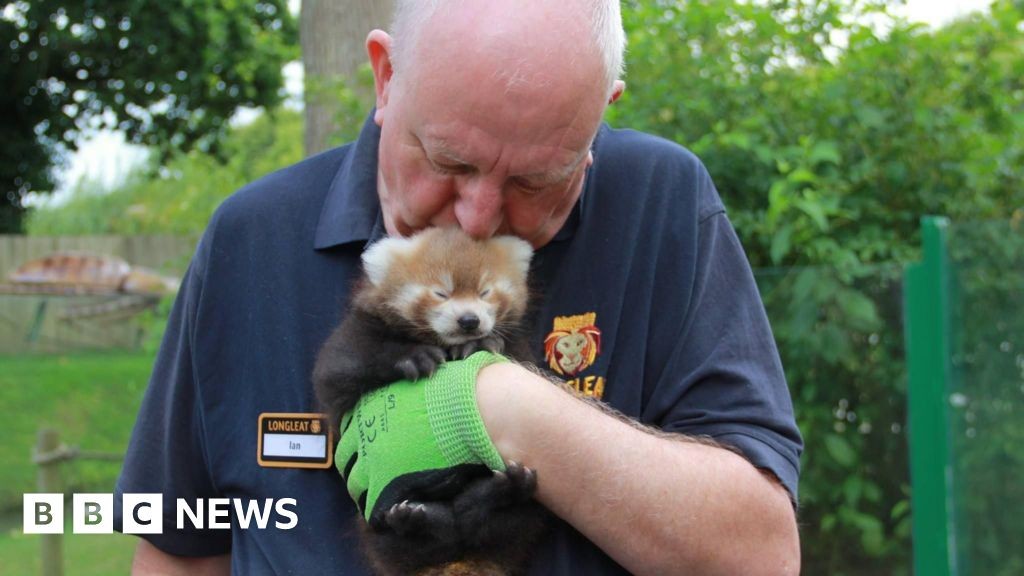
The human element of the park is best represented by its long-serving staff. Ian Turner, a senior ward who has spent 50 years at the estate, views the park as his “first home.” His deep connection to the animals provides a glimpse into the daily reality of wildlife management:
- Personal Bonds: Turner describes a unique relationship with the animals, noting that one female rhino responds to him with the affection of a pet dog.
- Conservation Focus: He works closely with endangered species, including red pandas, one of whom even bears his name.
- Evolution of Care: Over five decades, Turner has witnessed massive upgrades in animal welfare, from improved sleeping quarters for giraffes to increased freedom and comfort for all residents.
Preserving the History
As the park celebrates this milestone, its archives are working to preserve the “ordinary” documents that tell an extraordinary story. From the very first pound used for entry to the original fencing blueprints, these records offer a window into how much the relationship between humans and wild animals has changed.
While the park began as a daring—and somewhat misunderstood—venture, it has grown into a cornerstone of the community and a critical player in wildlife preservation.
Conclusion
Longleat’s 60-year journey reflects a transition from a controversial roadside attraction to a sophisticated conservation hub. Its longevity is a testament to both its successful business model and the deep, lifelong dedication of the staff who care for its animals.