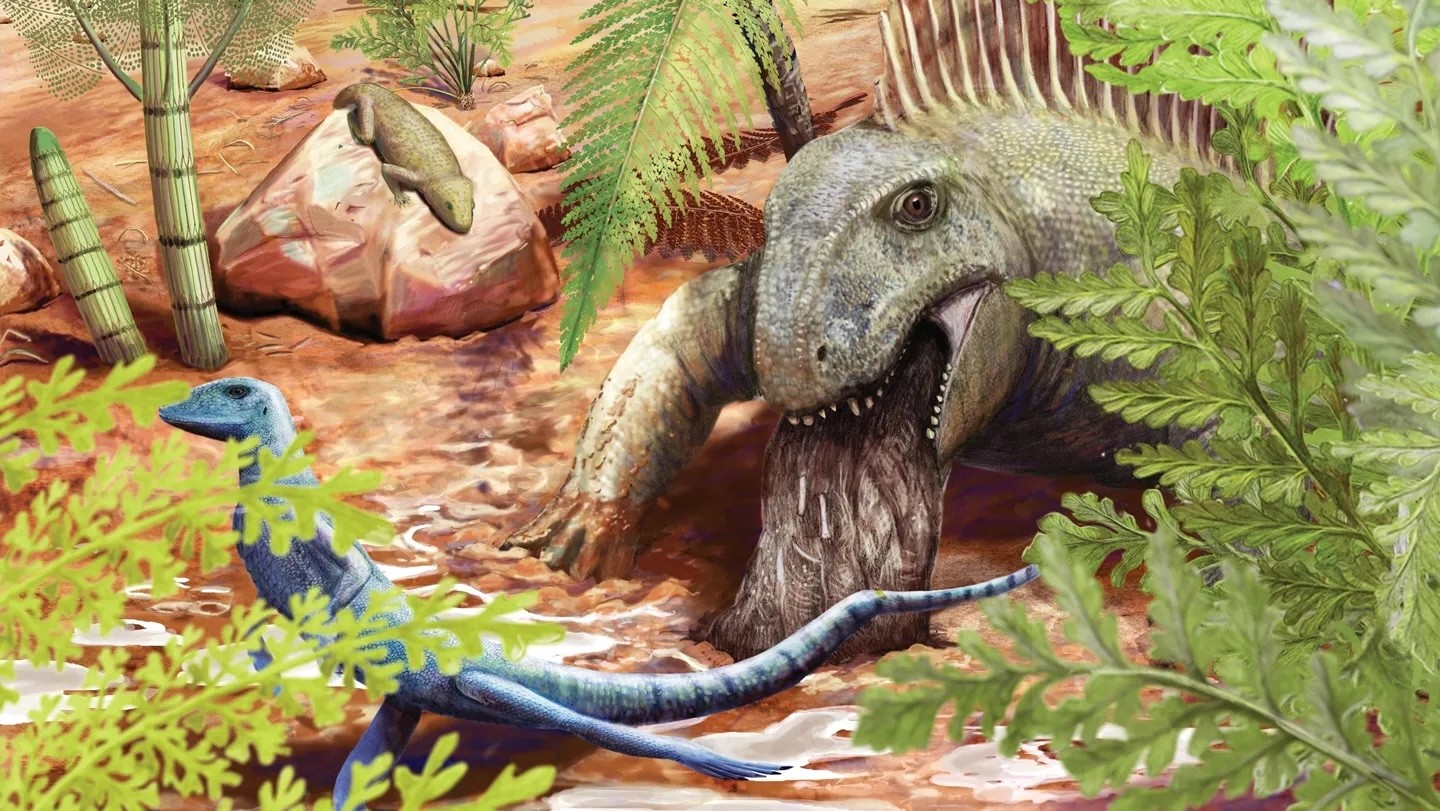
Paleontologists have unearthed a remarkable fossil – not of bone or tooth, but of regurgitated stomach contents from a prehistoric reptile. This “fossil vomit,” as it’s colloquially known, offers an unprecedented glimpse into the diet and behavior of early, semi-aquatic predators. The discovery challenges previous assumptions about what these creatures ate and how they interacted with their environment.
The Unexpected Meal
The fossilized vomit, found embedded in ancient sediments, contains the partially digested remains of crustaceans – crabs, lobsters, and shrimp-like creatures. This suggests that the reptile was not solely a land-based hunter, but actively foraged in coastal ecosystems. The presence of phosphorus within the fossil supports this; phosphorus is a key component in the hard shells of crustaceans.
A Shift in Understanding
For decades, paleontologists believed these reptiles primarily hunted terrestrial prey. This fossil provides direct evidence of a broader, more opportunistic diet. It raises questions about the ecological role of these animals, and whether they were adapting to exploit new food sources as environments changed. The reptile’s gut biome likely contained microbes to aid in digesting such prey, a testament to its specialized feeding habits.
Evolutionary Implications
The fossil dates back to the Permian period, a time when reptiles were diversifying but before the rise of the dinosaurs. This discovery connects the dots between early synapsids – ancestral to mammals – and later predatory reptiles. The predator’s ability to exploit aquatic prey may have been a key step in its evolutionary success.
The Broader Picture
This fossil is not just about what one reptile ate. It’s about understanding how ecosystems functioned hundreds of millions of years ago. The inclusion of crustaceans in its diet suggests a complex food web where these predators played a vital role in regulating aquatic populations. Further research could reveal how this feeding behavior influenced the broader ecosystem, including the evolution of both prey species and the reptile itself.
The discovery highlights the power of unexpected fossil finds to rewrite our understanding of prehistoric life. By examining even the most unseemly remains, paleontologists continue to unravel the secrets of Earth’s ancient past.