The history of the Zoological Society of London (ZSL) is not a linear tale of scientific progress, but rather a journey born out of public outcry and a radical shift in how humanity views its relationship with the natural world. As the organization celebrates its 200th anniversary, it is transitioning from its origins in the era of menageries to a global leader in conservation biology.
A Dark Beginning: The Death of Chunee
The ZSL was not founded in a vacuum of academic curiosity, but in response to a moment of profound public horror. In March 1826, an elephant named Chunee—a five-tonne male kept in a cramped enclosure at Cross’s Menagerie—was killed by a firing squad after a period of aggressive behavior known as musth.
The aftermath was equally grim: the public was charged admission to watch medical students butcher the animal. This spectacle of animal cruelty became a catalyst for change. Galvanized by the outcry, scientists and politicians moved to establish an organization dedicated to the “proper scientific study” of animals, leading to the official founding of the ZSL later that same year.
Shifting the Mission: From Display to Preservation
For much of its history, the ZSL focused on the display of animals. However, the organization has undergone significant internal transformations to meet modern ethical and ecological demands.
A pivotal moment occurred in 1991 when the ZSL faced a crisis that threatened the closure of the London Zoo due to massive maintenance backlogs. This period led to a fundamental refocusing of the Society’s mission. Rather than merely acting as a repository for exotic animals, the ZSL pivoted toward conservation biology.
Today, the Society’s work is defined by three core pillars:
– Global Conservation: Operating over 2,700 projects in more than 80 countries.
– Scientific Research: Driven by its Institute of Zoology to understand the links between ecosystems, animals, and humans.
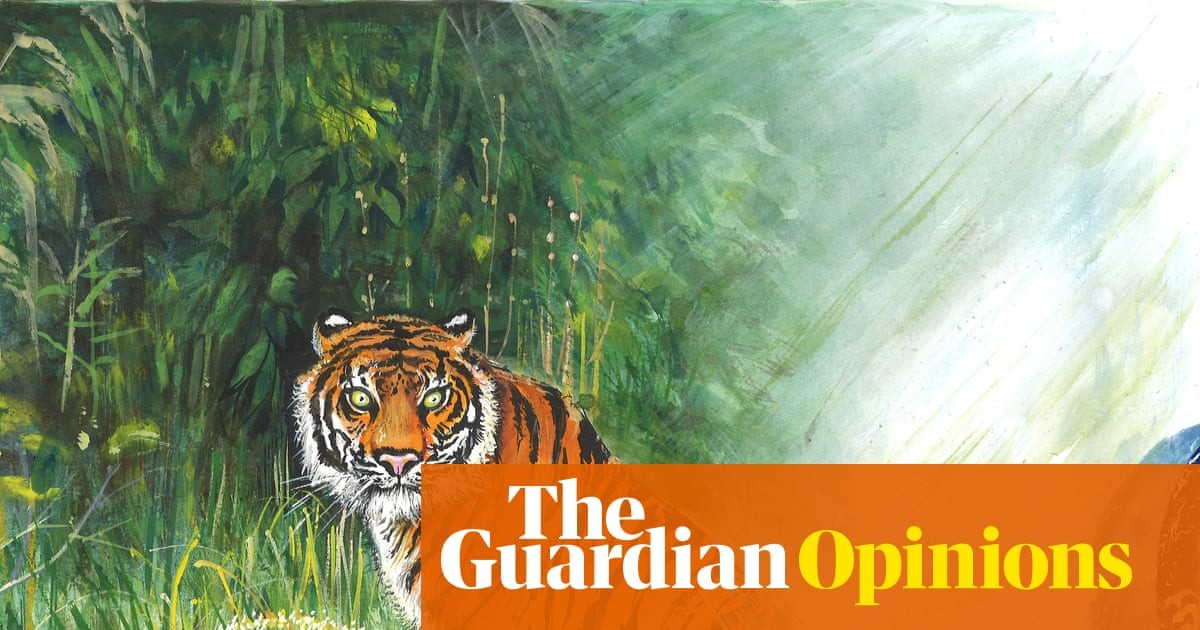
– Species Survival: Managing critical breeding programs, such as those for the Sumatran tiger, which accounts for a quarter of the global population.
The Cultural and Urban Connection
Beyond science, the ZSL has become a permanent fixture of London’s cultural fabric. Since 1831, when King William IV transferred the royal menagerie from the Tower of London to the zoo, the institution has bridged the gap between urban life and the wild.
The ZSL’s impact extends into:
– Art and Literature: Inspiring everyone from Beatrix Potter to J.K. Rowling.
– Architecture: Housing a diverse range of styles, from Georgian neoclassicism to modernism.
– Public Awareness: Serving as a vital touchpoint for urban dwellers—who make up over half the population—to reconnect with the reality of nature.
Looking Forward: The £20m Wildlife Health Centre
To mark its bicentenary, the ZSL has announced the construction of a new £20 million wildlife health centre at London Zoo. This facility is designed to bolster the Society’s veterinary expertise and enhance its role in global wildlife conservation.
This investment highlights a broader trend in modern zoology: moving away from “spectacle” and toward “stewardship.” The goal is no longer just to show animals to the public, but to use these spaces to prevent extinction and repair the damage caused by human activity.
“What does ZSL do? Everything. Primarily, it’s about all life on Earth.”
Conclusion
Over two centuries, the ZSL has evolved from a response to animal cruelty into a sophisticated global engine for conservation. Its mission has moved from the mere observation of animals to the active, scientific protection of the planet’s biodiversity.