Bungie, the studio behind Halo and Destiny, celebrated the release of its new sci-fi extraction shooter, Marathon, with a surprisingly effective marketing stunt. The company partnered with New York-based creator Michael Krivicka to stage a fake tech demonstration in Los Angeles, resulting in genuinely shocked reactions from unsuspecting visitors.
The Setup: A Believable Illusion
The prank revolved around a showroom exhibiting “Shells”—robotic bodies designed to house human consciousness—featured in the Marathon reboot. Participants were led to believe they had accidentally discharged a powerful weapon, blasting a hole through the wall. Actors then playing Marathon’s cyborg enemies, Vandal and Recon, further escalated the shock factor.
This stunt works because the line between reality and fiction is increasingly blurred. The recent rise of companies like Tesla pushing advanced robotics makes such demonstrations more plausible than ever. People are becoming desensitized to the impossible, making a believable fake even more potent.
How It Worked: Precision Timing and Real Reactions
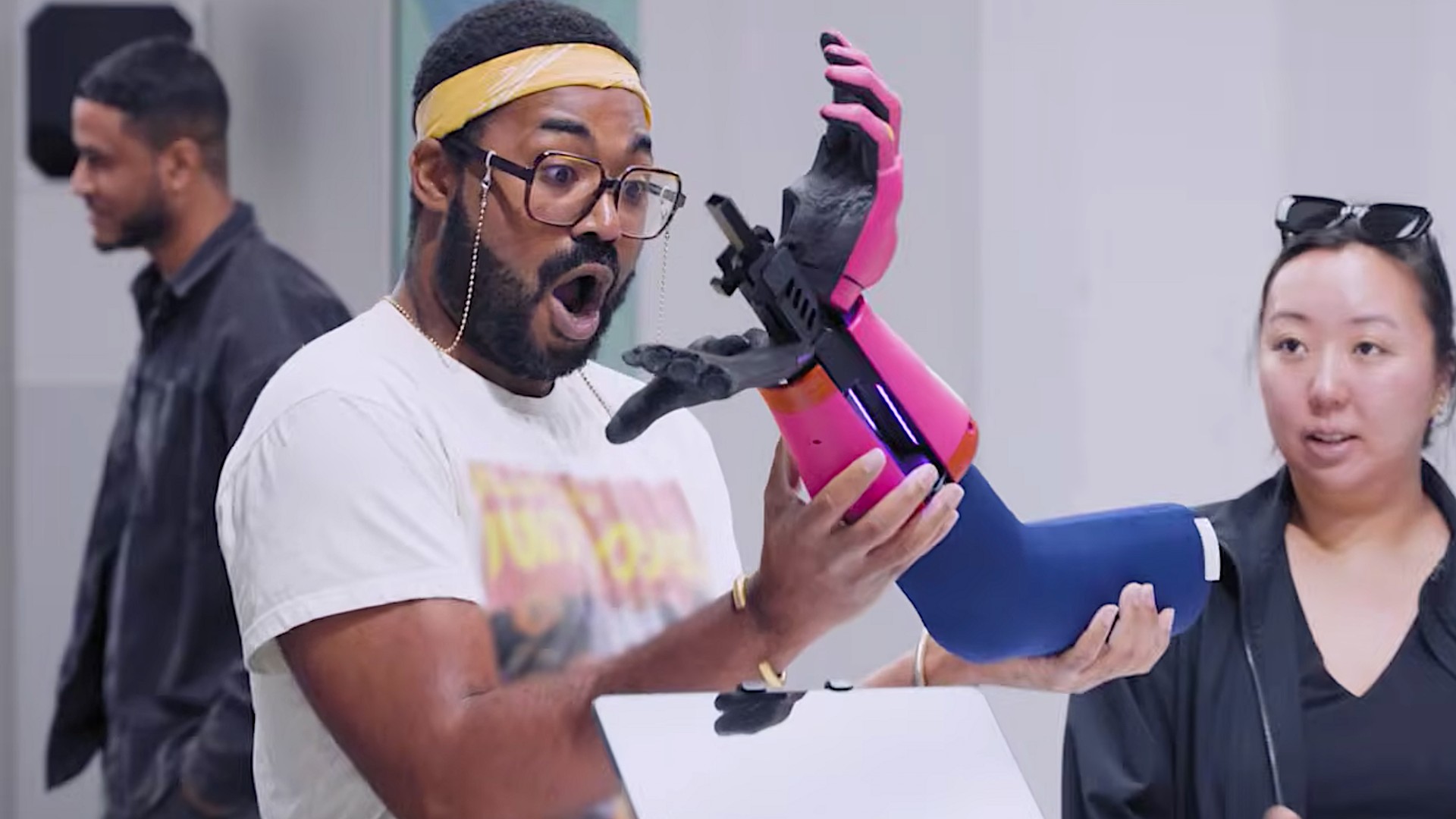
Krivicka’s team synchronized an animatronic hand cannon with a pre-recorded wall blast effect. When a visitor held the prop weapon, it appeared to fire, triggering a realistic explosion. The key, according to Krivicka, was ensuring genuine reactions:
“Our mission was simple: surprise unsuspecting visitors by making them believe they accidentally trigger a powerful weapon from the future. We remotely triggered the animatronic features of Vandal’s hand cannon, which was synced with the wall blast effect. That perfect sequence of events made the user think that the featured weapon they were holding somehow fired, blasting a big hole into the wall.”
Bungie developers, including Marathon lead Joe Ziegler, monitored the stunt from a control room, apparently enjoying the chaos firsthand.
The Ethics of Deception: Authenticity Over Staging
Krivicka stresses that no participants were actors pretending to be shocked. The reactions captured were entirely genuine. Only three background actors were present to enhance the showroom’s atmosphere and react to the blast before making an exit. This approach is deliberate, as Krivicka has refined similar hidden camera pranks since 2013, focusing on authentic group psychology.
The prank highlights a trend in modern marketing: blurring the lines between product demonstration and immersive experience. Marathon’s launch stunt is a reminder that sometimes the most effective way to generate buzz is to exploit the shock value of a well-executed illusion.