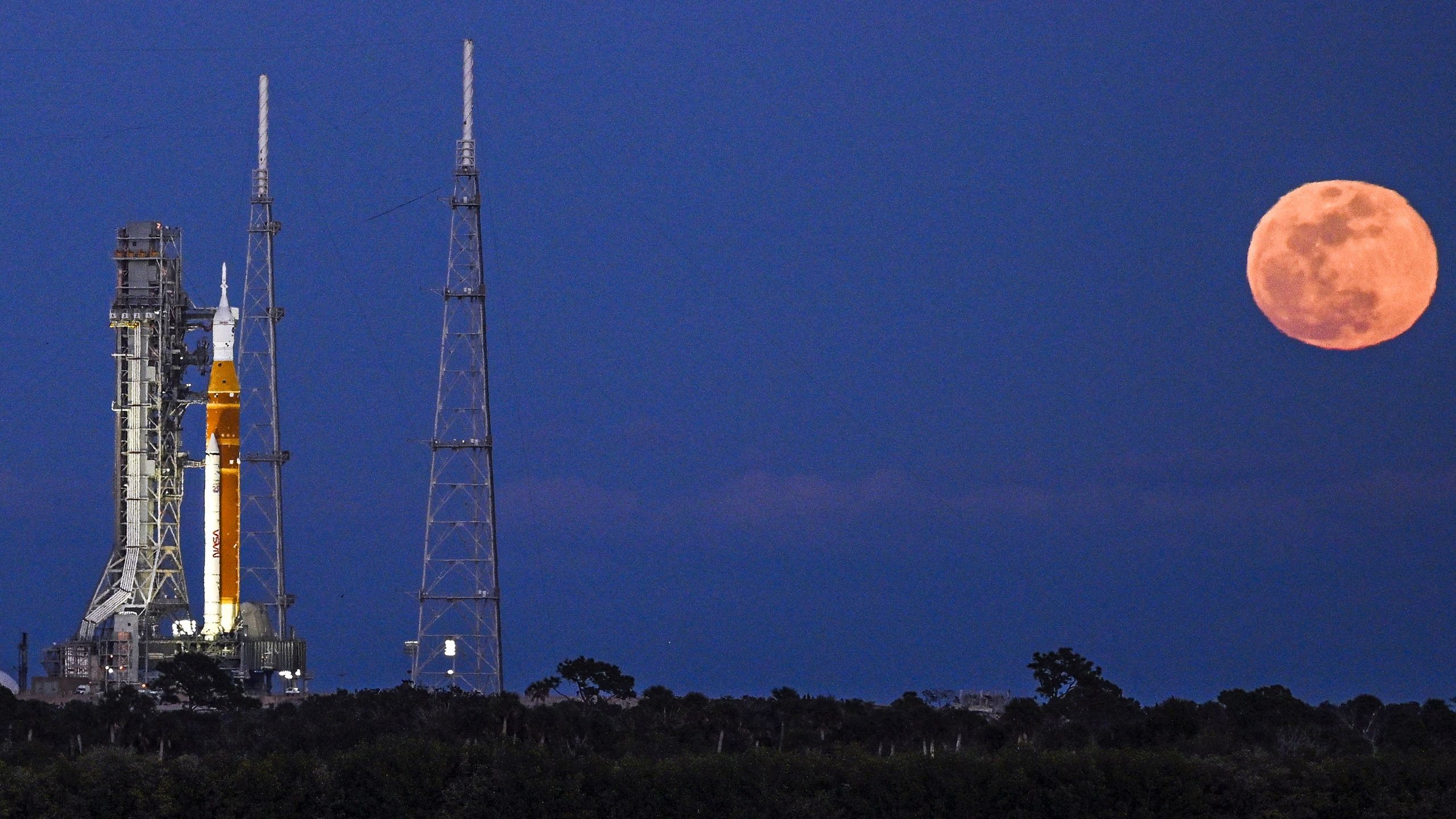
NASA has adjusted the timeline for the Artemis II mega-moon rocket’s simulated launch, pushing the earliest potential liftoff to Sunday, February 8th. This delay is a direct result of an unusually severe cold snap sweeping across the United States, impacting conditions at the Kennedy Space Center in Florida. While seemingly a minor setback, this highlights the extreme sensitivity of space hardware to environmental factors.
Weather-Related Setbacks and the “Wet Dress Rehearsal”
The delay stems from a wave of Arctic air bringing extreme cold to Florida. NASA engineers have been closely monitoring conditions, and managers have decided to postpone the timeline to ensure hardware capabilities aren’t compromised. The immediate focus is on a “wet dress rehearsal,” scheduled for Monday, February 2nd, beginning at 9 p.m. ET. This critical test involves fueling the Artemis II rocket to validate systems before actual launch.
The unpredictable nature of space travel means delays are common. NASA’s potential launch windows extend to April 2026, demonstrating that flexibility is built into the program’s long-term schedule. This isn’t unprecedented: Artemis I faced similar setbacks in 2022, returning to the Vehicle Assembly Building twice due to issues during wet dress rehearsals.
The Significance of Artemis II: First Crewed Moon Mission in Decades
Artemis II is poised to be the first crewed mission to the moon in over 50 years. It will carry four astronauts – Commander Reid Wiseman, pilot Victor Glover, mission specialist Christina Koch, and Canadian Space Agency astronaut Jeremy Hansen – on a 10-day orbital flight around the moon. This mission is crucial for testing systems before the Artemis III lunar surface mission, planned for 2028. Notably, Artemis II will be the first time a woman will be part of a lunar crew.
Hardware Challenges and Crew Preparation
The SLS rocket and Orion spacecraft, standing at 322 feet tall, have been kept powered on with heaters running during the cold weather. Engineers have also been troubleshooting minor issues, such as leaky ground-support hardware needed for Orion’s oxygen supply. The crew has been in quarantine in Houston since January 23rd to prevent illness-related delays. NASA plans to fly them to Florida about six days before launch, but the timeline for their arrival is under assessment given the latest adjustments.
Conclusion
The Artemis II delay underscores the complexities of space exploration, where even minor environmental factors can impact critical timelines. While weather-related postponements are expected, NASA’s commitment to thorough testing and crew safety ensures that the program moves forward methodically, aiming to return humans to the moon after a half-century hiatus. The program’s long-term success hinges on adapting to challenges and prioritizing reliability in the face of unpredictable conditions.