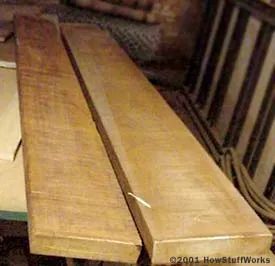
You might think a pool table is just a slab of stone on some legs. It’s not. It’s a heavy-duty structural engine disguised as furniture. The foundation starts with a massive rectangular wooden frame. We’re talking thick hardwood planks here. Not cheap pine. Real timber that can handle the impact of a 160-pound game in progress.
Support comes from cross beams and a center beam. These keep the slate from sagging. Sagging is the enemy of a true roll. Without them, the ball curves for no reason. The corners are where the real strength lives. Manufacturers connect the frame using metal brackets or solid wooden blocks. They bolt these directly into the planks. This creates a rigid skeleton.
Leg count depends on the size. Small tables get four legs. Large ones? Six or eight. Some high-end designers swap legs for a pedestal base. It looks sleek. It saves legroom. But stability is king. Most experts agree on one thing: solid legs are better than hollow ones. And those legs shouldn’t just stop at the frame. They need to extend up to the underside of the slate. Why? Direct support. No flex. No bounce. Just a flat, true surface.
A billiard factory is basically a specialized woodshop with heavy machinery. The process starts here:
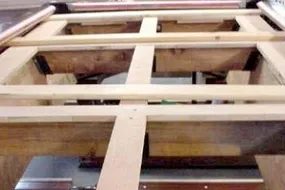
Understanding Table Cabinet Construction
The shell of a pool table isn’t just aesthetic; it dictates longevity. When you’re shopping, you’re usually looking at one of five build types.
Most budget models use laminate. That’s MDF with paper or plastic woodgrain glued to the surface. It’s cheap. It looks fine for a season or two. But it’s not built for a lifetime of racking up break shots. You’ll find this on the lowest-tier non-slate tables.
Step up, and you might see wood veneer. This is a thin slice of real hardwood glued over MDF or solid wood. It hits the sweet spot for inexpensive to moderate tables. It has real grain. It feels more premium than laminate, but the core is still engineered wood.
Then there’s wood-on-wood. Here, quality hardwood is glued onto another type of wood substrate. You’ll find this on moderate to good-quality tables. It’s a sturdy middle ground. The top layer matters most for playability and look, but the support underneath keeps it flat.
If you want a heirloom piece, look for solid hardwood. The entire cabinet is made of oak, tulipwood, mahogany, or similar dense woods. These are top-tier tables. They’re heavy. They’re expensive. But they don’t warp. They don’t crack.
Commercial spots often use metal-on-wood. Sheets of aluminum or steel are attached to a wooden frame. It’s durable. It’s tough on abuse. But it’s less common in home game rooms because it lacks that classic wood feel.
Pocket and Storage Mechanics
How do the balls leave the table? Usually via drop pockets. This is the standard. A net or container sits directly under each pocket to catch the balls. You bend down to retrieve them. It’s simple. It’s effective.
Some tables, particularly commercial ones found in bars or arcades, have a ball return. This system catches the balls and routes them back to a rack or storage bin elsewhere. You don’t have to bend over. It speeds up play. It’s convenient for high-traffic environments.