Samuel Herman Reshevsky didn’t just play chess. He experienced it, breathed it and eventually wrote a book about it – literally twice. Reshevsky was born on November 26, 1911, in Ozorkow, Poland, then part of the Russian Empire. He was a force of nature. He died on April 4, 1992 in Suffern, New York, leaving behind a legacy as one of America’s great chess masters. Nevertheless, one question always arises in his biography: Why did he never win a world championship?
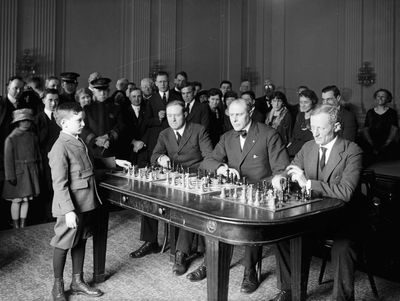
The answer starts early. Very early. He was about four years old when he learned the rules. At the age of six, he giving simultaneous exhibitions. at nine? He possessed master-level strength. It’s not just talent. This is something completely different.
His family brought him to the United States in 1920. But before he could rule the American boards, there was a school. His chess activities were suspended until he completed his formal training. Finally, he graduated from the University of Chicago with a degree in accounting in 1933. The clock restarted in 1935, when he again entered the international scene in earnest.
His style was unmistakable. Tenacious. Resourceful. He thrived on defense and turned defense into offense that confused opponents. He also shaped the history of the game with his writings. Reshevsky on Chess (1948) and How Chess Games are Won (1962) remain essential texts for chess students.
So how did a Polish child prodigy become an American icon without a grand prize? He didn’t need the crown to be meaningful. He needed consistency. He needed grit. And he had plenty of both.