The world of science and technology is often filled with serious breakthroughs, but it also offers plenty of room for absurdity, conspiracy theories, and unexpected sensory connections. From the logistical nightmares of celebrity cloning to the way music can change the taste of your lunch, recent observations highlight how much of our reality is shaped by perception and scientific impossibility.
The Logistics of Celebrity Cloning
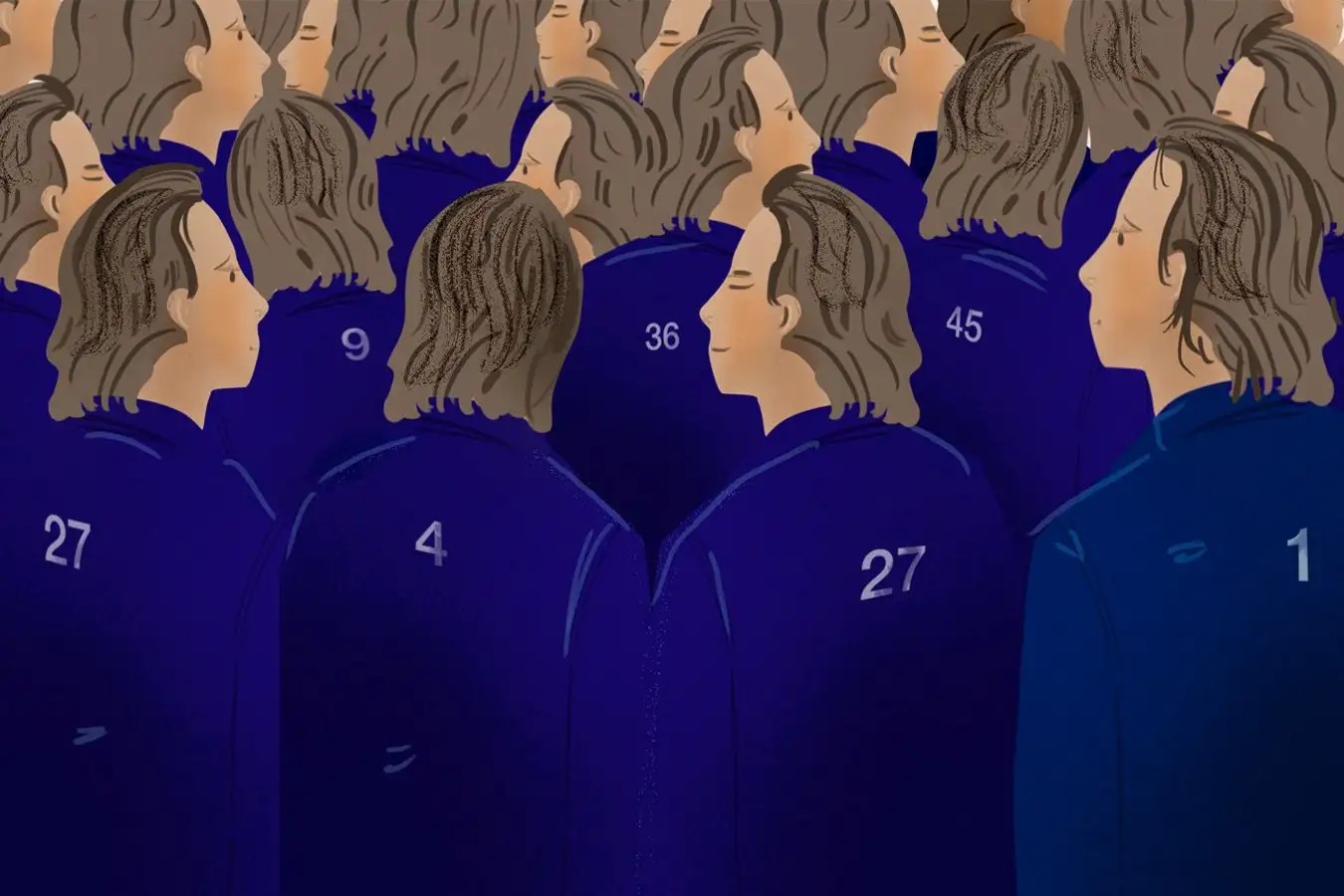
In recent months, internet conspiracy theorists have claimed that several major celebrities—including Jim Carrey, Paul McCartney, and Avril Lavigne —have been replaced by clones. The latest target, Jim Carrey, faced scrutiny following his appearance at the 51st César Awards in Paris, where fans noted he looked “different.” While aging or cosmetic procedures are the logical explanations, the internet prefers a more cinematic narrative.
However, from a biological standpoint, the “celebrity replacement” theory falls apart under even the slightest scrutiny:
- The Aging Problem: Even if an illicit lab existed to clone a star like Carrey, the clone would emerge as an infant. To reach the actor’s current age, the clone would need decades of growth. By the time the “replacement” was ready, the original celebrity would likely have passed away.
- The Science Gap: While science fiction (such as Star Trek: Nemesis ) suggests that “accelerated aging” could solve this, such technology does not exist in reality.
- Human Limits: To date, no human has ever been successfully cloned.
The conspiracy theories persist not because they are scientifically plausible, but because they provide a sensationalist way to explain the natural changes we see in public figures over time.
Sonic Seasoning: How Sound Changes Taste
While cloning remains in the realm of fiction, the way sound affects our senses is a very real field of study known as sensory cross-modality. This is the phenomenon where our brain connects different senses—such as hearing a sound and perceiving a specific taste or smell.
Researchers at the University of Oxford, including Charles Spence and Tianyi Zhang, have been exploring “sonic seasoning” —the practice of using specific sounds to enhance or alter the dining experience.
The “Metallic” Sound
A recent study sought to identify a musical match for a metallic taste. The researchers found a striking correlation:
– The sound most strongly associated with a metallic taste is the theremin.
– The theremin is an electronic instrument played without physical contact, producing the eerie, wavering wails often heard in mid-century science fiction films.
This connection suggests that our culinary experiences are not just about what we eat, but the auditory environment in which we eat. For anyone interested in fine dining, the soundtrack might be just as important as the seasoning.
The Oddity of Nominative Determinism
Finally, there is the strange phenomenon of nominative determinism —the idea that people tend to be drawn to professions or topics that reflect their names.
A recent discussion regarding astronomer Simon Smith and his discovery of the star cluster Ursa Major III (located in the “Great Bear” constellation) triggered a chain of mental associations for readers, linking the name “Simon Smith” to the classic song “Simon Smith and the Amazing Dancing Bear.”
Whether these connections are true instances of determinism or simply the brain’s tendency to find patterns, they highlight how much our names and labels shape the way we process information and make connections.
Conclusion: Whether we are navigating the biological impossibilities of cloning, the sensory influence of music on taste, or the linguistic coincidences of our names, our perception of reality is constantly being shaped by a blend of science and psychological association.