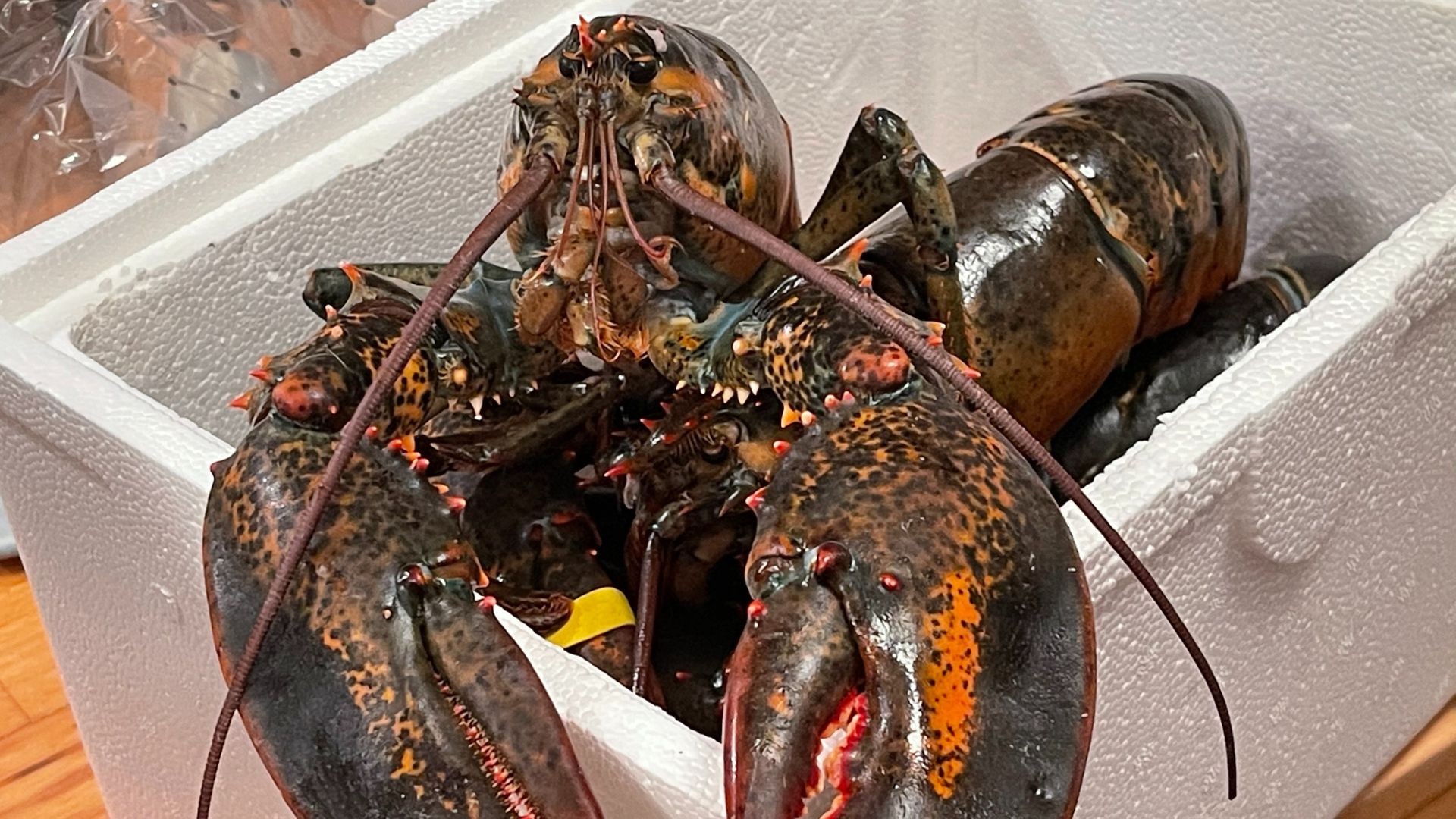
A recent study on Norway lobsters (Nephrops norvegicus ) has provided significant scientific evidence that these crustaceans experience pain, rather than just reflexive stress. The findings, published in the journal Scientific Reports, are expected to strengthen the global movement to ban the practice of boiling lobsters alive.
The Science of Pain vs. Reflex
To determine whether the characteristic “tail flip” seen in lobsters is a simple muscular reflex or a response to pain, researchers conducted an experiment involving electrical stimulation.
The study divided 105 lobsters into several groups: a control group and two groups treated with human painkillers—aspirin and lidocaine. The researchers then applied a 9.09-volt-per-meter electrical shock to the subjects.
The results were telling:
– Untreated lobsters exhibited frequent, intense tail-flip escape maneuvers.
– Lidocaine-treated lobsters showed a sharp decrease in these responses.
– Aspirin-treated lobsters showed an even more dramatic reduction in escape behavior.
“The fact that painkillers developed for humans also work on Norway lobsters shows how similar we function,” noted Lynne Sneddon, a professor of zoophysiology at the University of Gothenburg.
Because the painkillers suppressed the tail-flipping behavior, researchers concluded that the movement is not merely a mechanical reaction to electricity. Instead, it is a nociceptive response —a neurological process where signals of harm travel to the brain, triggering a state associated with pain.
A Growing Trend in Animal Sentience
This research does not exist in a vacuum; it is part of a larger scientific shift toward recognizing the sentience of invertebrates. Previous studies have highlighted similar capabilities in other species:
– Hermit crabs have been observed abandoning their shells to avoid repeated painful stimuli.
– Octopuses have demonstrated the ability to avoid environments linked to injury and seek out areas associated with pain relief.
This recognition is moving from the laboratory into the halls of government, fundamentally changing how society views “low-level” organisms.
The Push for Legislative Reform
As the scientific consensus on crustacean pain grows, so does the pressure to reform the seafood industry. The traditional method of boiling live animals is increasingly viewed as inhumane.
Current Regulatory Landscape:
– Bans in Place: Countries and regions including Norway, New Zealand, Austria, and parts of Australia have already banned boiling live crustaceans on welfare grounds.
– United Kingdom: Under the 2022 Animal Welfare Act, crabs, lobsters, and octopuses are legally recognized as sentient beings capable of suffering.
– United States: While federal laws vary, states like California and Washington have moved to ban octopus farming entirely, citing welfare concerns.
In response to these shifts, the industry is beginning to explore more humane alternatives, such as electrical stunning, which would render the animals insensible before they are processed for consumption.
Conclusion
By proving that common human painkillers can mitigate lobster distress, this study provides a critical link between biological function and ethical responsibility. As science continues to bridge the gap between humans and invertebrates, the legal and culinary worlds will likely face increasing pressure to adopt more compassionate slaughter practices.