They are calm. Small. Hidden in plain sight.
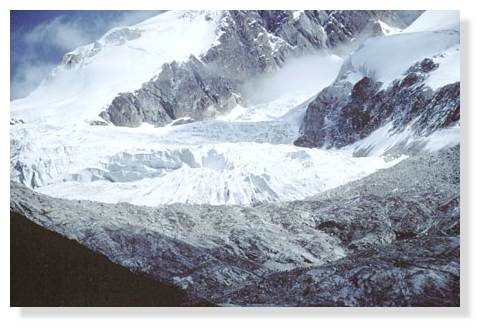
Tropical glaciers cover about 2,800 square kilometers of the planet. Se kuulostaa paljon, kunnes huomaat, että se on alle 5 % kaikista maailman vuoristojäätiköistä. Almost all of them are in the Andes. These are not the huge, imposing ice sheets that people imagine when they think of the polar regions. These are different. They are often small. Many are smaller than 5 square kilometers.
But their size is deceiving.
To the ancient peoples of the Andes, these ice sheets were not just frozen water. They were holy. They were the source of life. They were considered the lords of the weather. The people who lived in their shadow understood something that modern science is only now realizing: these glaciers control the rhythms of rain and drought. They hold water that feeds rivers miles away.
Today they are disappearing. Quickly.
The tropical glaciers of the Andes are retreating at a rate that surprises even the experts. Why does this matter to you if you live hundreds or thousands of miles away? This is important because these glaciers are natural reservoirs. They store snow and ice during the rainy season and slowly release it again during the dry months. As they shrink, this release becomes irregular. The springs are drying up. The harvest fails. Water is becoming a political weapon.
The ancient reverence for these ice bodies was a pragmatic spirituality. They knew that the ice was the clockwork of their survival. Without it, the seasons lose their predictability. The country falls silent.
So it remains a paradox. These small, fragile areas of ice are one of the most important sources of water for millions of people in South America. Yet they are treated as peripheral to the global climate narrative centered on Greenland and Antarctica. That’s a mistake. To ignore the tropics is to ignore the water that flows from them.
The ice melts. The old masters are losing control. What happens when the weather masters leave? Nobody knows for sure. River beds can follow.