For over two decades, face transplants have been heralded as a breakthrough in reconstructive surgery, offering hope to patients with severe disfigurements. Yet, beneath the glossy headlines and medical prestige lies a stark reality: the procedure carries devastating risks, often leaves patients financially and psychologically ruined, and raises profound ethical questions about patient selection and long-term care.
The Dawn of a Controversial Field
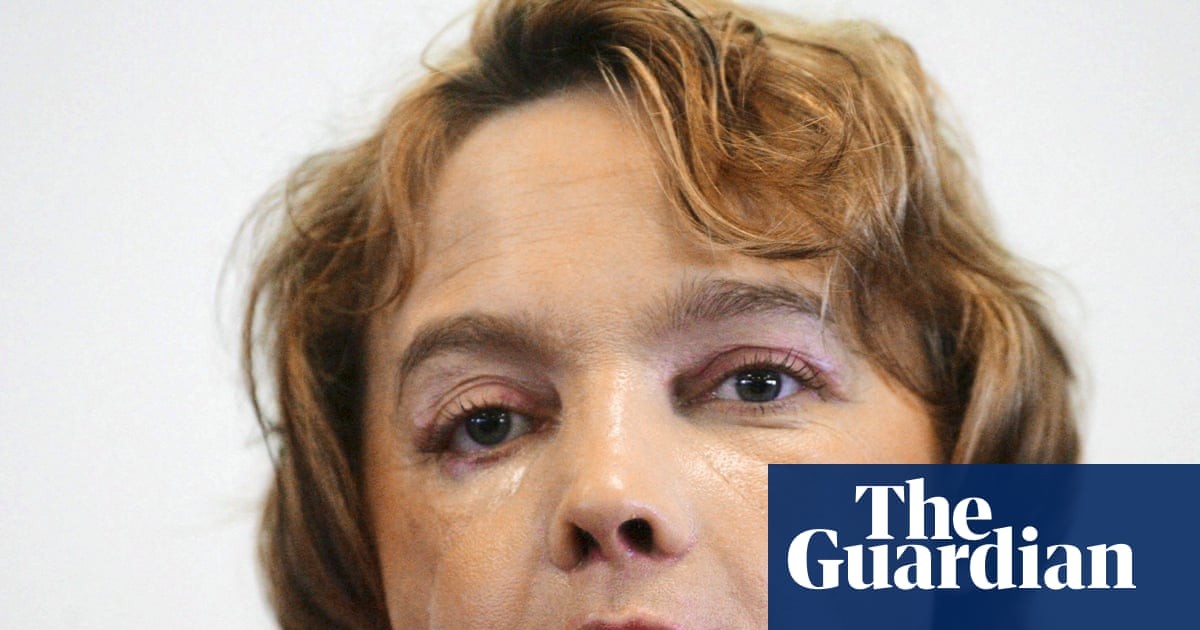
The first successful full face transplant was performed in 2005 on Isabelle Dinoire, a French woman whose face was mauled by her dog. The surgery, conducted at the University Hospital in Amiens, France, involved grafting a donor’s nose, lips, and chin onto Dinoire’s skull. This landmark procedure sparked a global race to replicate the feat, with the U.S. following closely behind, conducting its first partial face transplant in 2008 and its first full one in 2011.
To date, around 50 face transplants have been performed worldwide. Each milestone has drawn grants, donations, and acclaim for surgeons and institutions. But what remains largely unreported is the toll on patients, many of whom struggle with lifelong immunosuppression, psychological trauma, and financial ruin.
The Harsh Realities Behind the Headlines
The promise of a “normal life” often fails to materialize. Patients like Isabelle Dinoire experienced severe complications, including rejection and cancer, ultimately dying in 2016 after repeated surgeries and deteriorating mental health. Her story, suppressed by medical institutions eager to maintain a positive image, reveals the true cost of experimental medicine.
Dallas Wiens, America’s first full face transplant recipient in 2011, initially celebrated his “new life,” attending conferences and serving as a poster child for the procedure. However, his body eventually rejected the transplant, leading to kidney failure and chronic illness. He died in 2024, leaving behind a wife and a legacy of medical complications.
The Systemic Failures
The field is plagued by systemic failures:
- Suppressed Negative Data: Researchers often bury unfavorable outcomes to secure funding and prestige.
- Exploitation of Vulnerable Patients: Some clinics prioritize publicity over patient wellbeing, exposing them to intrusive media attention.
- Inadequate Support Networks: Few patients are prepared for the lifelong burden of immunosuppressants and psychological distress.
- Ethical Concerns: Face transplants transform otherwise healthy individuals into lifetime patients, raising questions about whether the benefits outweigh the risks.
The U.S. Department of Defense has heavily funded face transplants, treating them as a frontier for wounded veterans, while private insurers refuse to cover the costs. This creates a perverse incentive for surgeons to showcase results, even if patient outcomes are poor. A recent JAMA Surgery study reported 85% graft survival at five years, but failed to account for psychological wellbeing, financial stability, or quality of life.
The Bitter Irony
The story of Robert Chelsea, the first African American to receive a new face, highlights the racial disparities within the field. His daughter struggles to recognize him, and he now relies on GoFundMe campaigns to afford medication. His case underscores the broader systemic issues: the lack of financial support, the inadequate aftercare, and the ethical complexities of experimental medicine.
Just as with lobotomy and vaginal meshes, face transplants may ultimately fade into obscurity or implode under scrutiny. The field must confront its failures—the high mortality rate, the financial ruin of patients, and the ethical compromises—before it can claim to be a viable treatment option.
The reality is simple: face transplants are not a miracle cure. They are a high-risk, experimental procedure that leaves many patients worse off than before. The field must prioritize patient wellbeing over prestige, transparency over suppression, and ethical rigor over unchecked innovation.