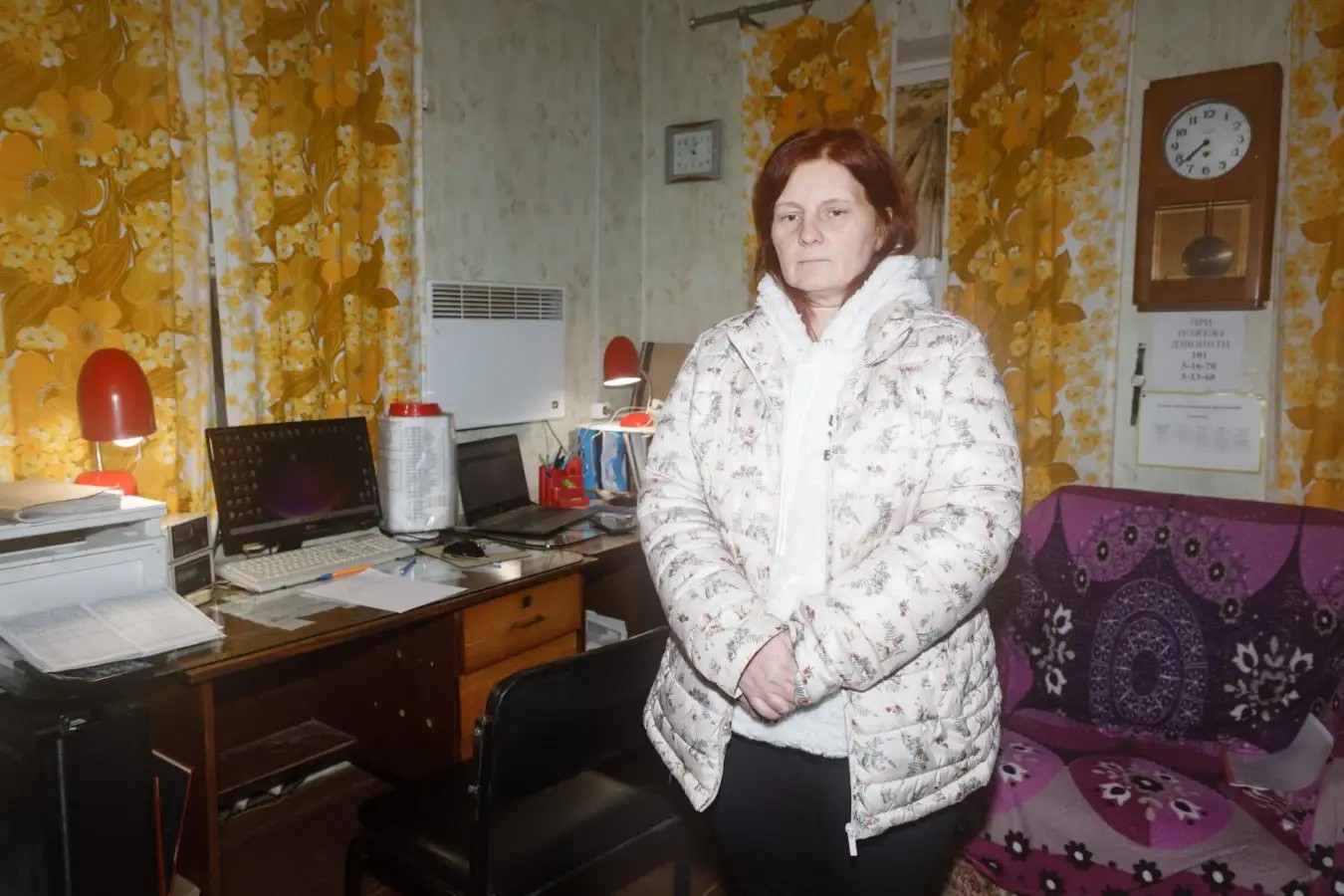
When Russian forces crossed the Belarusian border into Ukraine on February 24, 2022, Lyudmila Dyblenko, the head of the Chernobyl Meteorological Station, gave her staff a simple command: pack your things and flee. But the speed of the invasion meant the window for escape slammed shut before she could leave. Instead of fleeing, Dyblenko chose to stay, transforming her workplace into a frontline post of scientific resistance.
Maintaining the Pulse of the Exclusion Zone
The work performed at the Chernobyl Meteorological Station is far more critical than simple weather forecasting. In the Chernobyl Exclusion Zone, meteorological data—radiation levels, wind direction, temperature, and precipitation —is the backbone of environmental safety. This data allows scientists to predict how radioactive particles might move through the atmosphere, which is vital for the safety of both the local population and the broader European continent.
Under normal circumstances, this process is highly automated. However, the occupation disrupted the very infrastructure required for modern science:
- Power Outages: By March 9, the electricity supply was severed, rendering automated systems useless and making basic survival—such as heating and cooking—an immense challenge.
- Manual Labor: To keep the data flowing, Dyblenko had to abandon her automated software. She transitioned to manual measurements, recording data by hand in the freezing cold.
- Improvising Technology: Using an old mobile phone with a superior antenna compared to modern smartphones, she had to scout specific locations—such as a local church or a lorry park—just to find enough signal to transmit her findings.
Survival Amidst Occupation
Living and working under military occupation required more than just scientific precision; it required tactical survival. Dyblenko had to meticulously study the schedules of Russian patrols to find windows of opportunity to step outside and take her readings.
The danger was not merely theoretical. Dyblenko faced direct confrontations with occupying soldiers, including an incident where a soldier burst into her home demanding alcohol. She managed to deflect the intruder with sheer force of personality, but the threat escalated when she discovered she was being watched. After spotting the red light of a sniper or surveillance device in the bushes near her instruments, she made a calculated decision: to ignore the threat and continue her work.
Why the Data Matters
The continuity of scientific records is paramount in environmental monitoring. A “gap” in data during a period of conflict can render long-term longitudinal studies useless and create blind spots in our understanding of how the Exclusion Zone is reacting to environmental shifts or potential leaks.
Because of Dyblenko’s persistence, there is no missing period in the Chernobyl meteorological record. The data remains seamless, ensuring that scientific analysis of the region remains accurate and complete despite the chaos of war.
For her courage in maintaining these vital scientific lifelines, Ukrainian President Volodymyr Zelenskyy awarded Dyblenko a medal—a rare distinction for a meteorologist, marking her work as an act of national service.
Conclusion
Lyudmila Dyblenko’s refusal to abandon her post ensured that the scientific integrity of the Chernobyl Exclusion Zone remained intact. Her actions prevented a critical gap in environmental data that could have compromised long-term safety monitoring.