Decades of stigma.
Finally breaking down.
Regulations loosening. Restrictions lifting across the US and beyond.
Ancient claims finally hitting the lab bench instead of just the rumor mill.
Scientists noticed something weird for years. Cannabis users often stayed lighter than non-users. Their risk for type 2 diabetes was lower, too.
This contradicted everything we knew about the weed-induced appetite spike.
The ‘munchies’ are real. They’re potent. So why the weight loss?
Researchers at UC Riverside wanted answers.
They took obese mice. Fed them a Western diet loaded with fat and sugar.
For sixty days straight.
Midway through, day thirty, they introduced pure THC or whole-plant cannabis extracts.
Same THC levels.
Different delivery.
What happened was stark.
Both THC groups started losing weight.
The control group? Still gaining.
Here is the kicker though. The THC-only group lost weight but saw no improvement in how they processed glucose.
The mice getting the full-plant extract, however? They showed significant metabolic shifts. Better glucose tolerance. Less body fat despite eating the exact same amount.
Pure THC just wasn’t doing the heavy lifting on the metabolic front.
“This suggests that THC alone is not responsible,” Nicholas DiPatrizio says.
“Other compounds in the plant appear to play a critical role. “
Translation?
THC makes you hungry. The rest of the plant might make that hunger manageable, or even helpful.
Is this a green light for recreational dieters?
No. Absolutely not.
Clinical evidence is lacking. We aren’t there yet.
But the research explosion is undeniable. Publications on medical cannabis skyrocketed almost ninefold between 2000 and 2017.
The issue? We’ve been isolating compounds when the magic seems to happen in combination.
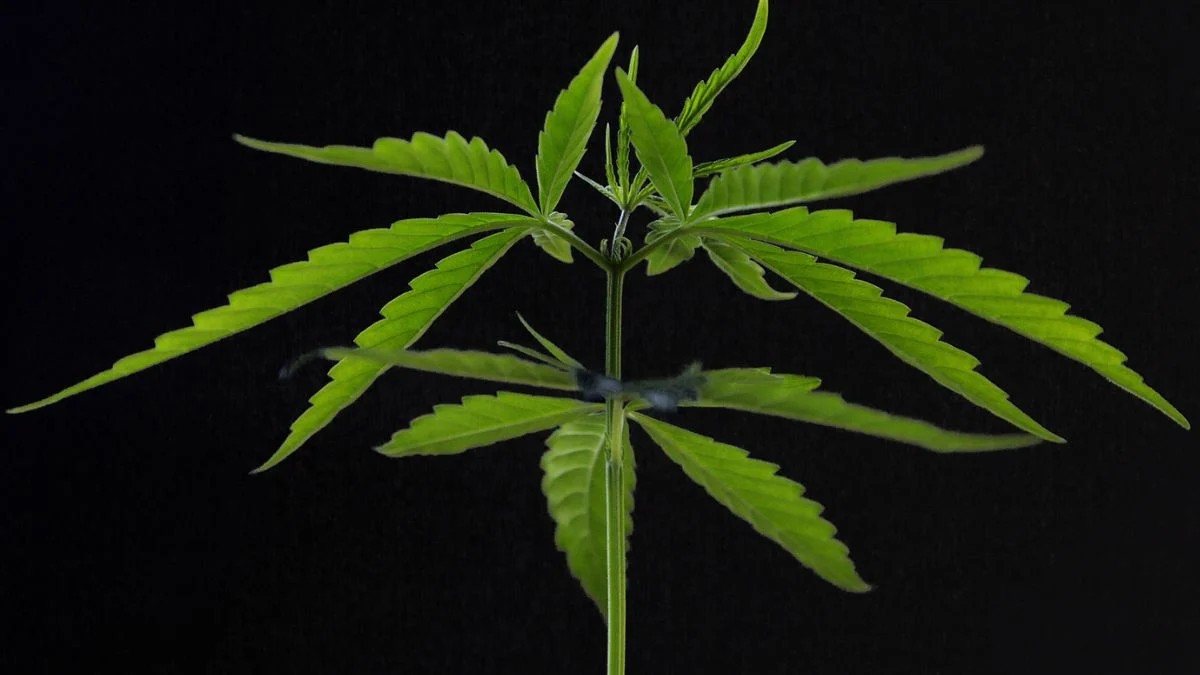
Hundreds of cannabinoids, terpenes, and flavonoids in every bud.
We focus obsessively on THC and CBD.
What about the rest?
CBG (cannabigeroll), sometimes called the mother of cannabinoids, is looking interesting. Early mouse studies suggest it improves blood sugar and slashes liver fat without even using the standard cannabinoid receptors.
It operates through mechanisms we barely understand yet.
But don’t get too ahead of yourselves.
Timing matters. Exposure during early development can mess with natural fat storage. Rodent pups hit with THC? They had reduced birth weights.
The line between benefit and harm is thin. Shifting. Uncharted.
“Dissecting the relative contribution… will be an important direction.”
We have a lot more work to do before prescribing anything.
Until then?
Pay attention.
Stay tuned.
The picture is still coming into focus, and some parts remain stubbornly blurry.