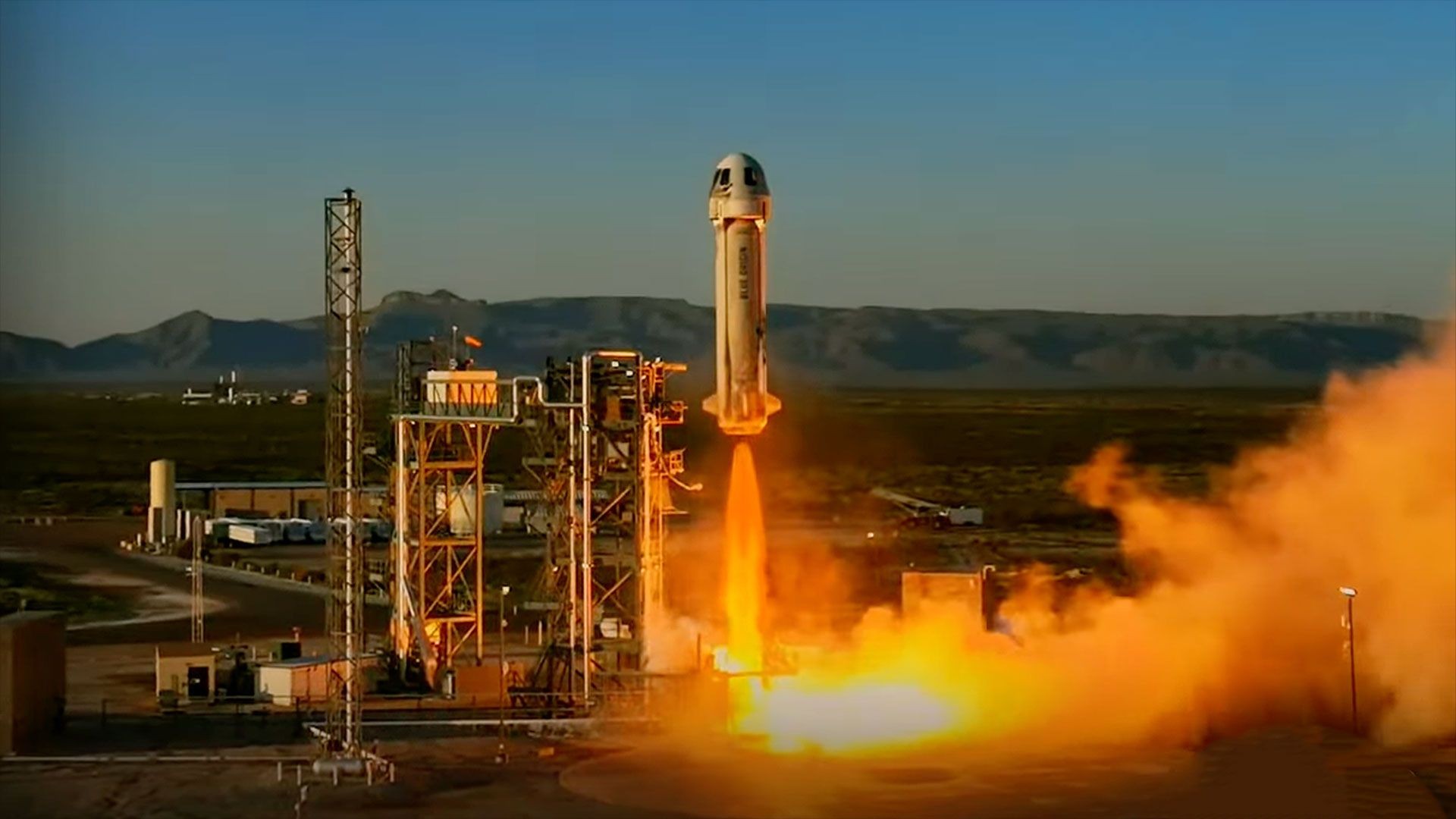
Aerospace engineer Michi Benthaus will make history today, December 18th, as the first person in a wheelchair to journey into space. The launch, conducted by Blue Origin via its New Shepard rocket, is scheduled for 11:00 a.m. EST (1600 GMT; 10:00 a.m. local Texas time) from the company’s West Texas facility, and will be streamed live.
The Mission and Crew
The NS-37 mission will carry six passengers, including Benthaus, who has been using a wheelchair since a 2018 mountain-biking accident. Joining her are investors Joey Hyde and Adonis Pouroulis, aerospace engineer Hans Koenigsmann, entrepreneur Neal Milch, and self-described space enthusiast Jason Stansell. Notably, Koenigsmann previously spent nearly two decades at SpaceX, serving as VP of build and flight reliability.
This flight marks the 37th launch of New Shepard, a reusable rocket-capsule system designed for suborbital space tourism. The mission is significant because it expands the accessibility of space travel to individuals with disabilities, demonstrating a move towards more inclusive participation in the burgeoning space industry.
The Experience and Impact
New Shepard flights are brief, lasting approximately 10-12 minutes. Passengers will experience several minutes of weightlessness and witness the curvature of Earth against the backdrop of space. Upon returning, they will receive astronaut wings, signifying their crossing of the Kármán line (62 miles/100 km), the internationally recognized boundary of outer space.
To date, Blue Origin has flown 86 people on its 16 crewed New Shepard missions, with some passengers having flown multiple times. The company has not publicly disclosed the cost of a seat, though it remains a premium experience accessible to those who can afford it.
This launch is more than just a technical achievement; it represents a step forward in making space accessible to a wider range of people, including those with physical limitations. As space tourism continues to develop, inclusivity will be key to its long-term success.
The mission is expected to further fuel the debate over the future of commercial space travel, its costs, and its role in promoting broader access to the final frontier.