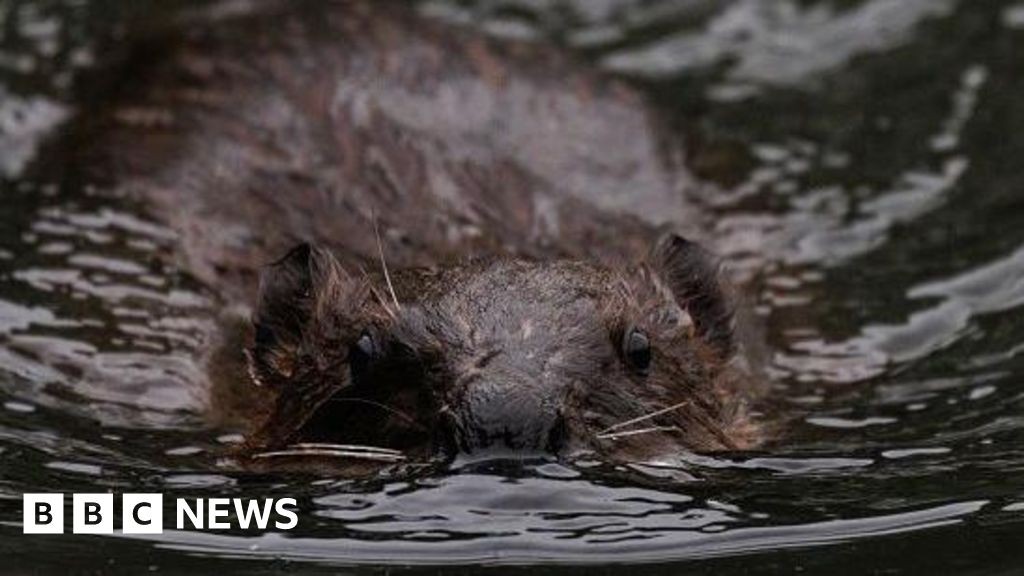
Gloucestershire is entering a new phase of environmental restoration as local organizations prepare the landscape for the potential reintroduction of the Eurasian beaver. The initiative, known as the Severn Vale Beaver Project, aims to expand the presence of these native mammals beyond their current enclosures and into wider areas of the Forest of Dean.
A Strategic Expansion
The project is a collaborative effort between the Gloucestershire Wildlife Trust and Forestry England. Following the arrival of an initial pair of beavers in 2018, conservationists are now shifting from feasibility studies to active preparation.
To manage this transition, the project will appoint two assistant species recovery officers. These specialists will serve as a vital link between the wildlife, local landowners, and the community, ensuring that the reintroduction is managed responsibly and that any potential conflicts with land use are addressed proactively.
Why Beavers Matter: The “Keystone” Effect
The push to bring beavers back to the Severn Vale is not merely about protecting a single species; it is about restoring an entire ecosystem. In ecology, beavers are considered a keystone species —an organism that has a disproportionately large effect on its environment.
Their presence offers several critical environmental benefits:
– Habitat Creation: By building dams, beavers create wetlands that serve as nurseries for various plants, insects, and birds.
– Biodiversity Boost: The complex environments created by beaver activity support a much wider array of life than dry land alone.
– Flood Mitigation: One of the most significant advantages for human residents is the “slowing of the flow.” Beaver dams act as natural buffers, catching excess water during heavy rainfall and reducing the risk of downstream flooding for at-risk properties.
Public Support and Regulatory Hurdles
The move toward reintroduction appears to have strong social backing. A recent feasibility study revealed that 91% of surveyed members of the public support the return of beavers to the county.
However, the project faces a rigorous regulatory path. The Gloucestershire Wildlife Trust has clarified that there is no guarantee the reintroduction will proceed, as any next steps are strictly dependent on obtaining official licensing and approval from Natural England.
“We are committed to working with local people to minimise the risk of effects from beavers on other land uses, while enabling beavers to resume their place as a keystone species in our ecosystem.”
— Emma Hutchins, Director of Nature’s Recovery, Gloucestershire Wildlife Trust
Looking Ahead
The project follows a long historical arc; beavers were once widespread across Britain for millions of years before being hunted to extinction approximately 400 years ago. As Dr. Amy Fitzmaurice of Forestry England noted, while beavers are beginning to return to the wild across the UK, successful large-scale reintroduction requires “time and careful planning.”
Conclusion
By preparing the landscape and engaging with the community, Gloucestershire is laying the groundwork to restore a vital natural engineer. If approved by regulators, the project could transform the Severn Vale into a more resilient, biodiverse, and flood-resistant ecosystem.