Archaeologists in Spain have unearthed the skeleton of a medieval knight who defied expectations by surviving into adulthood with a severe genetic disorder, craniosynostosis. The discovery, detailed in a recent Heritage journal study, challenges assumptions about the survivability of such conditions in historical populations.
The Unusual Remains
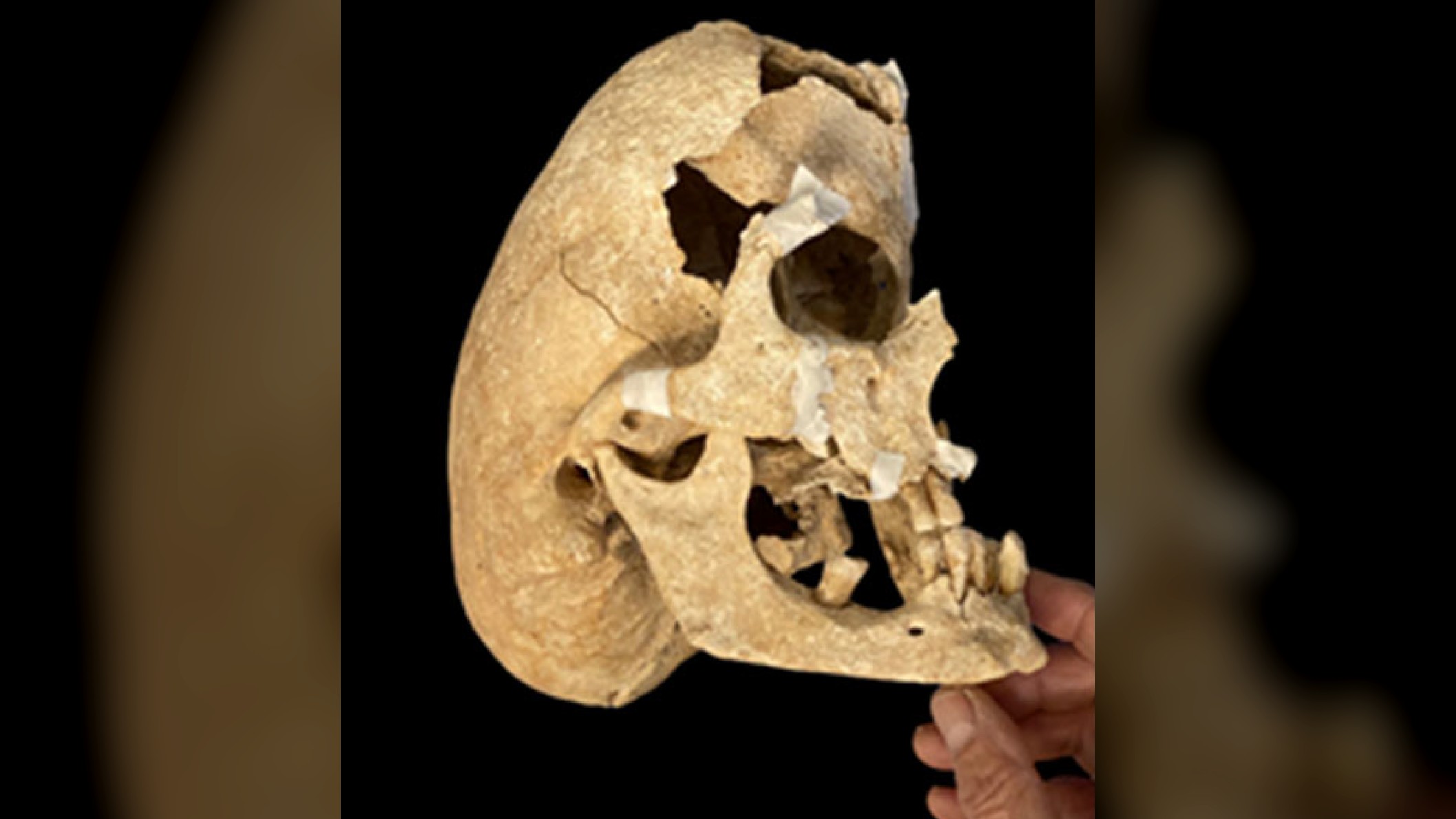
The remains were excavated from a 13th- to 15th-century cemetery at Zorita de los Canes castle, once occupied by the militant Order of Calatrava. Among dozens of skeletons bearing signs of violent death, one stood out: an adult male with an “extremely elongated skull.” The skull’s unusual shape was caused by premature fusion of cranial sutures—the joints between the bones of the skull. This condition, known as craniosynostosis, restricts brain growth and is often fatal in infancy.
A Condition Typically Fatal in Childhood
Normally, these sutures remain flexible until early adulthood. Premature fusion can result in severe brain compression, leading to injury or death. Today, this condition can be treated with surgery, but medieval populations lacked such intervention. The knight’s survival into his mid-to-late 40s, despite this condition, is therefore exceptional.
Possible Diagnosis: Crouzon Syndrome
Researchers suspect the knight may have suffered from Crouzon syndrome, a genetic mutation that causes multiple sutures to fuse too early. This syndrome often comes with additional complications like bulging eyes and a small jaw, but most affected individuals have normal intelligence. The fact that only the skull was affected suggests this diagnosis is likely.
A Warrior’s Life
Despite his condition, the skeleton shows clear signs of an active lifestyle consistent with a warrior. The knight bore two stab wounds to the head and a bashed-in knee, suggesting he died in battle. This case highlights how genetic anomalies can sometimes allow individuals to overcome life-threatening conditions, even in the absence of modern medicine.
The discovery underscores that even with debilitating conditions, some individuals can survive and thrive in challenging environments. Further genetic analysis is needed to confirm the diagnosis, but the knight’s remains offer a unique glimpse into the resilience of the human body under historical constraints.