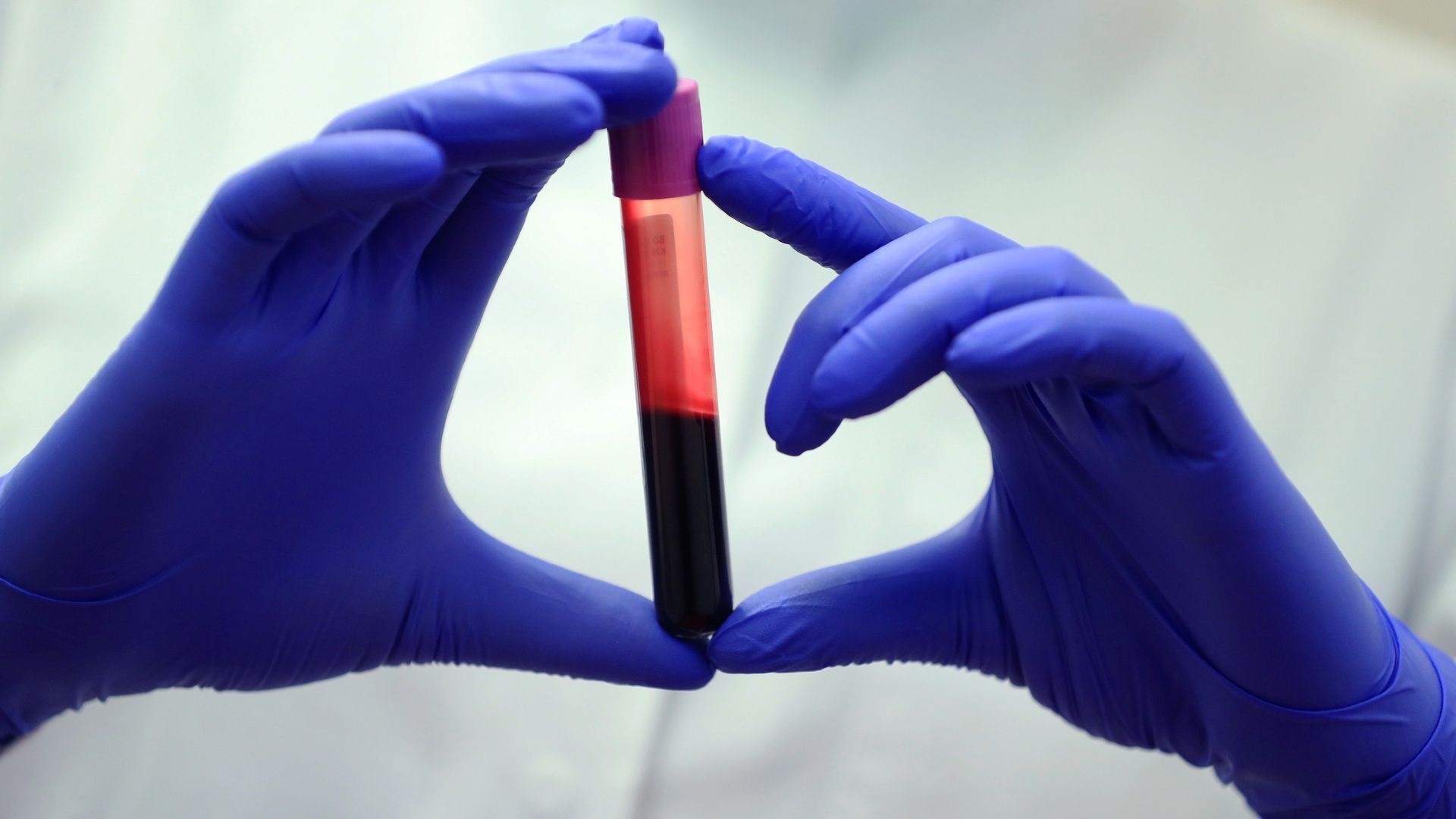
A breakthrough in diagnostic technology may soon allow doctors to intercept liver cancer before it even begins. Researchers have developed a new blood test that uses machine learning to identify liver fibrosis —the early stage of liver scarring—long before it progresses to irreversible cirrhosis or malignancy.
The Critical Window: Fibrosis vs. Cirrhosis
To understand the importance of this development, one must look at the progression of liver disease. Liver damage typically follows a predictable, often silent, trajectory:
1. Fibrosis: Early-stage scarring. At this stage, the damage is often reversible through lifestyle changes, medical intervention, or antifibrotic medications.
2. Cirrhosis: Advanced, widespread scarring. This stage is largely irreversible and significantly increases the risk of death.
3. Liver Cancer: Often the final result of long-term, untreated liver disease.
Current diagnostic tools, such as the standard FIB-4 test, frequently fail to catch the disease during the “fibrosis” window. This leaves millions of people—particularly those with risk factors like obesity, diabetes, and hypertension—unaware of their condition until it is too late to reverse the damage.
How the Technology Works: Decoding “Cell-Free” DNA
Unlike traditional tests that look for specific genetic mutations, this new method takes a “wide-lens” approach. The research team, led by Dr. Victor Velculescu at the Johns Hopkins Kimmel Cancer Center, analyzed cell-free DNA (cfDNA) —tiny fragments of genetic material that cells shed into the bloodstream as they die or regenerate.
Instead of searching for a single “smoking gun” mutation, the team utilized a machine learning model to analyze patterns across the entire genome. The test focuses on three key indicators:
* Fragment Length: The physical size of the DNA snippets in the blood.
* Repetitive Sequences: How often cells shed specific, repeating patterns of DNA.
* Epigenetic Marks: Chemical changes on the genome that alter how genes behave without changing the underlying DNA code.
By analyzing billions of these fragments simultaneously, the AI can detect subtle, genome-wide signals that human observation or simpler tests would miss.
Current Performance and Efficiency
In a study published in Science Translational Medicine, the researchers tested the model on a group of participants to see how accurately it could distinguish between healthy individuals and those with disease.
| Condition | Detection Rate (Accuracy) |
|---|---|
| Early-stage Liver Disease | 50% |
| Advanced Liver Disease | 78% |
| Healthy Individuals (Correct Identification) | 83% |
While a 50% detection rate for early-stage disease indicates there is significant work to be done, the test offers a massive technological advantage: efficiency. Because the AI looks at broad patterns rather than hunting for specific mutations, the genome only needs to be sequenced once or twice. This makes the process much cheaper and faster than previous methods that required thousands of sequences to achieve similar results.
The Path Forward
The research is currently in its validation phase. The next step involves larger, more rigorous clinical trials to refine the machine learning models. The goal is to reduce “false positives” (where healthy people are flagged as ill) and increase the sensitivity for early-stage detection.
If successful, this technology could move beyond the liver, potentially serving as a blueprint for a single, non-invasive blood test capable of screening for a wide array of chronic diseases at their most treatable stages.
“The best way to intervene in liver cancer is not to detect liver cancer early, but to detect early liver disease.” — Dr. Victor Velculescu
Conclusion: By shifting the focus from detecting cancer to detecting the earliest signs of cellular scarring, this machine-learning approach offers a proactive rather than reactive way to manage liver health. If validated in larger trials, it could transform liver disease from a silent killer into a manageable, reversible condition.