A common food additive may hold a secret weapon in the global battle against antibiotic resistance. Recent research published in Engineering suggests that cinnamic acid —a natural compound found in cinnamon—can interfere with the way bacteria share resistance genes, potentially slowing the rise of “superbugs.”
The Growing Threat of Bacterial “Socializing”
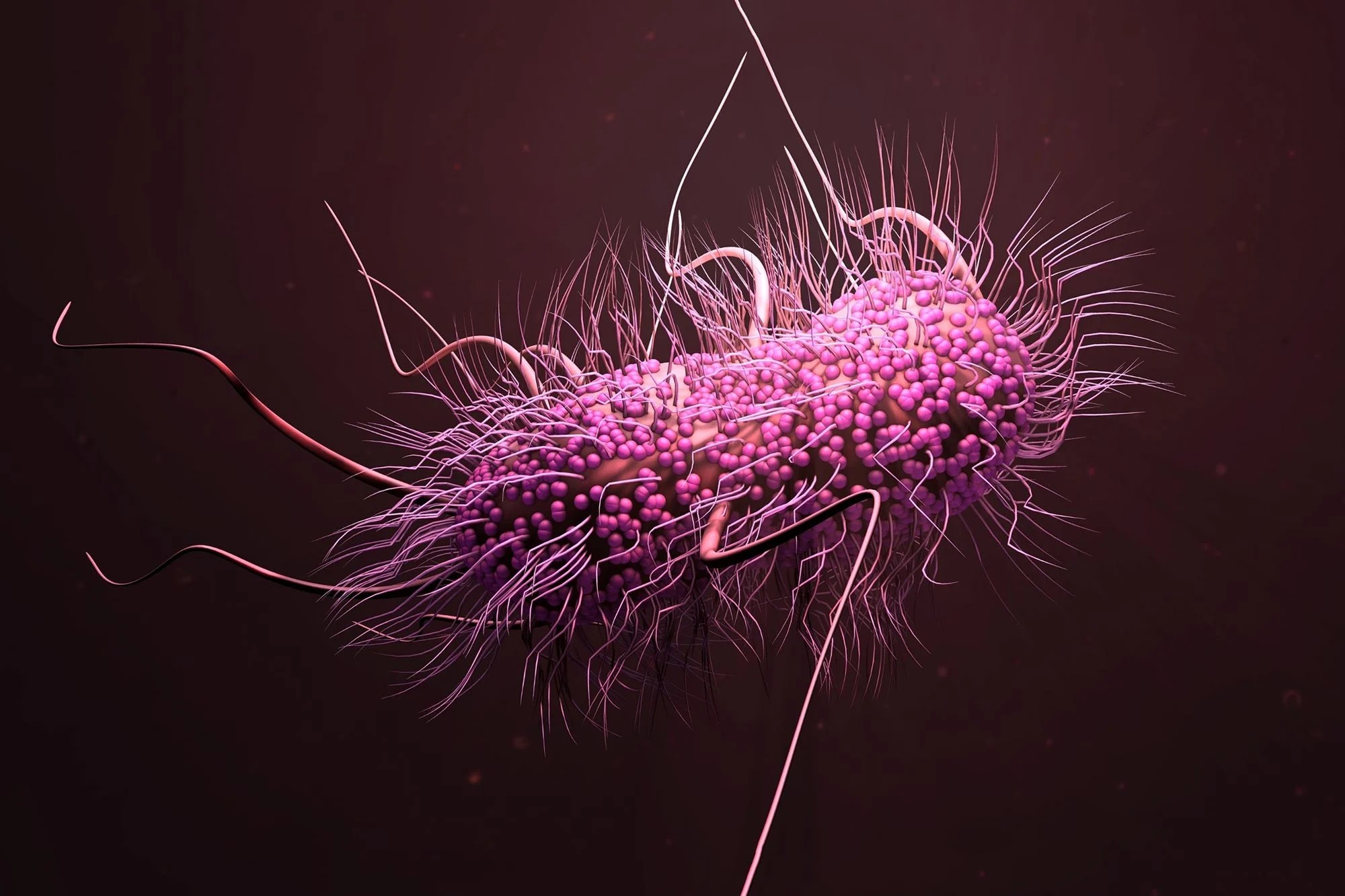
To understand why this discovery matters, one must look at how antibiotic resistance actually spreads. While bacteria do mutate, they also possess a highly efficient method of “socializing”: plasmid conjugation.
In this process, bacteria pass small loops of DNA called plasmids to one another. These plasmids often carry “blueprints” for resistance against powerful drugs, such as mcr-1 or blaNDM-1. This allows even unrelated species of bacteria to rapidly acquire defenses, turning manageable infections into life-threatening crises. In the United States alone, this resistance leads to over 2.8 million illnesses and 35,000 deaths annually.
Current medical efforts to block this genetic exchange have struggled, as most candidate compounds are either too toxic for human use or ineffective in living organisms.
How Cinnamic Acid Works: Disrupting the Energy Supply
Unlike traditional antibiotics that aim to kill bacteria outright, cinnamic acid (CA) takes a more tactical approach. It acts as a conjugation inhibitor, meaning it disrupts the bacteria’s ability to transfer genetic material without necessarily killing them.
According to the study, the mechanism works as follows:
- Energy Depletion: CA disrupts the tricarboxylic acid cycle within the bacteria, which weakens their electron transport chain.
- ATP Reduction: This disruption leads to a drop in intracellular ATP (the cell’s energy currency). Without sufficient energy, the bacteria lack the “fuel” required to perform the complex process of conjugation.
- Genetic Suppression: The compound suppresses the specific genes responsible for forming mating pairs and replicating DNA during the transfer process.
By targeting the bacteria’s metabolism rather than their survival, the compound prevents the spread of resistance genes while leaving the bacterial population largely intact.
Proven Safety and Biological Compatibility
One of the most significant hurdles in drug development is ensuring a substance is safe for human consumption. Because cinnamic acid is already a widely used food additive, it possesses a significant head start in terms of safety profiles.
The researchers conducted several layers of testing to validate these findings:
1. In Vitro & Ex Vivo: Lab tests and simulated gut environments confirmed that CA reduces plasmid transfer in a concentration-dependent manner.
2. In Vivo (Animal Models): In mouse experiments, oral doses of CA successfully decreased conjugation frequency within a living biological system.
3. Safety Monitoring: Testing showed no adverse effects on the mice. There were no changes in body weight, no damage to major organs, and—crucially—the diversity of the gut microbiota remained unchanged.
A New Path for Resistance Management
The ability to inhibit plasmid conjugation without harming the beneficial bacteria in our gut represents a major shift in how we might approach infectious diseases.
“Because it is already widely consumed and considered safe, CA could serve as a practical addition to current strategies aimed at slowing the spread of antibiotic resistance.”
While more research is needed to move from lab settings to clinical applications, this study opens the door to using natural, metabolic-targeting compounds in medicine, agriculture, and environmental management to curb the evolution of superbugs.
Conclusion: By disrupting the energy metabolism bacteria need to share resistance genes, cinnamic acid offers a promising, safe, and non-toxic method to slow the global spread of antibiotic resistance.