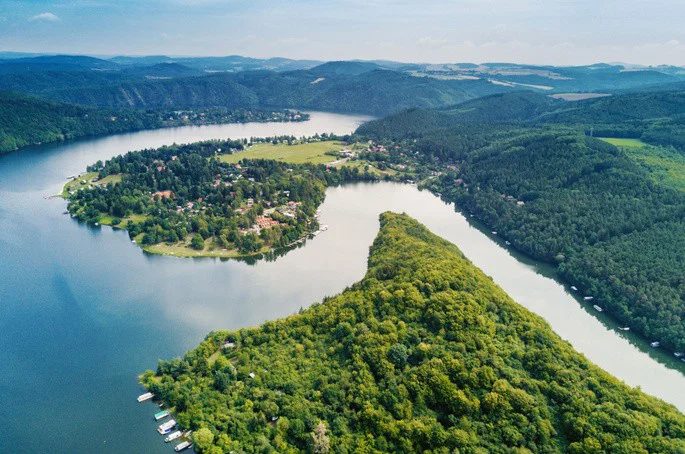
Biomes are more than random lands. It is a large collection of ecosystems that work together in a specific geographic area. Think of it as an umbrella under which life flourishes. If you have a group of ecosystems with similar plants, animals, and climate, you have identified a biome.
These areas are different. They have a well-defined set of ecological and climatic characteristics that make them very impressive. It’s easy to tell where one ends and the other begins. When you look at a landscape, you know exactly what you’re looking at. These areas are also called bioclimatic or bioregions. The clarity of boundaries arises from the unique combination of conditions that support life within them.
A biome is basically a biological characteristic of a place. This describes the specific ecological conditions that allow certain plants and animals to thrive. The distinction between biomes and ecosystems is important here. Ecosystems examine what kinds of organisms and conditions exist in a small local area. Biomes are bigger. Their range is vast and can cover entire countries or even continents.
Think of it as a complete picture of life on earth.
Examples of the most important biomes
The list is long and comprehensive. There is a rainforest. There are dry deserts. In between are meadows, tundras and various forests. These are not just a collection of random plants. They are organized communities formed by deep environmental forces.
The term itself is relatively new in the field of ecology. American ecologist Frederick E. Clements coined the term. He defined it as a community of plants and animals, but since then its scope has become more specific.
What defines a biome?
How do scientists decide where one biome ends and another begins? This depends on a number of difficult variables. latitude. Altitude. rainfall. temperature. And the plants themselves.
Latitude sets the stage by measuring the distance from the equator. Are you close to the line? It gives you a tropical character. Far? You tend to withstand the harsh conditions of the tundra. It’s a gradient, the difference is obvious at a glance.
Altitude is equally important. As you rise, the temperature drops. The pressure drops. The rise and fall of the land, especially the mountain ranges, determines which species survive. There are no jungle plants on top of the mountain.
Precipitation determines the climate. Affects soil quality. It determines what grows. No rain means different plants. When it rains continuously, a completely different scenario occurs.
Temperature is the gatekeeper. If the temperature is consistently warm throughout the day, you may be in a tropical environment. Are there large temperature fluctuations? This changes everything.
Vegetation is the last clue. Leaf size. Distance between plants. Total mass. These plants tell us who lives there. They also provide a food source and shelter for later animals.
Land and water
Classes vary. The classification used by the World Wide Fund for Nature (WWF) is easy to understand. They divided biomes into two broad categories.
Terrestrial biomes exist on a stable basis. Think tundra, forests, meadows and jungles.
Aquatic biomes exist in water. This includes fresh and salt water. mangrove. Estuary. coral reef.
Tundra
Tundra is a biome characterized by extremely cold and short growing seasons. It lacks trees. The vegetation is low-lying such as mosses, lichens, grasses and dwarf shrubs. The soil is usually permafrost, which means it stays frozen all year round. This limits root depth. It shapes every creature that survives there, from lemmings to caribou. Adaptation is not optional. This is survival.
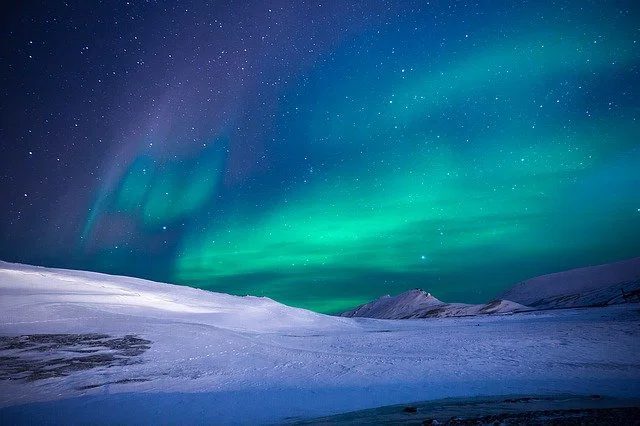
Tundra is Earth’s polar biome, which includes the Arctic and Antarctic regions. The Arctic region is known as Arctic Tundra and the southern region as Antarctic Tundra.
Climate and vegetation
The temperature here is brutally low. The average temperature is usually between -15 and 10 °C.
Trees cannot withstand such conditions. Instead, low-lying vegetation dominate. Lichens and mosses can be found everywhere in the landscape. The soil is often swampy and subject to freezing. This frozen soil or permafrost limits root growth and shapes the entire ecosystem.
Adapted Wildlife
Here the animals face extreme weather conditions. Their survival depends on their thick fur and heavy fat layers. These adaptations help them survive the coldest seasons. Many animals seek refuge in shelters or go into a lethargy or hibernation to survive.
Examples are polar bears and Arctic hares. Designed for cold, not heat.
Where is Tundra?
The Arctic Tundra stretches across Greenland, Siberia, Canada and Alaska. Denali, the highest peak in North America, is located in Alaska.
Antarctic Tundra is located in parts of Chile and Argentina. These areas mark the southern edge of the tundra.
Next biome: Taiga
When you leave the harsh polar regions, the landscape changes. The next major biomes are taiga and boreal forests. These areas support tree growth that the tundra cannot.
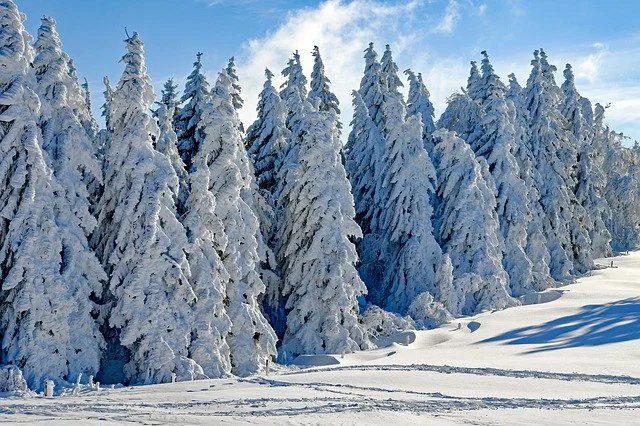
La taiga, o bosque de coníferas, es mucho más que un simple nombre botánico. Es el bioma terrestre más grande del planeta, definido por árboles como pinos y abetos que aguantan condiciones extremas. No es un bosque tropical. Es una franja de resistencia.
El clima aquí no tiene matices. Las temperaturas medias se mantienen cerca de los 0 a 5 °C, pero eso es solo un promedio engañoso. En verano, el termómetro puede saltar hasta los 19 °C. En invierno, cae en picado hasta los -54 °C. Es un abismo térmico. Las precipitaciones son escasas en verano, pero el invierno trae nevadas abundantes. El suelo queda sellado bajo capas de hielo durante meses.
La flora se adapta con estrategia, no con lujo. Los árboles son siempreverdes. Sus hojas en forma de aguja reducen la pérdida de agua y su forma cónica permite que la nieve resbale sin romper las ramas. Son bosques frondosos en apariencia, pero abiertos en el suelo por la falta de luz solar en ciertas épocas.
La fauna no se queda quieta. El oso pardo es un ejemplo claro de migración estacional. Cuando el invierno se vuelve hostil, se mueve hacia zonas menos duras para encontrar alimento. El lobo patrulla los límites. El alce se hunde en la nieve profunda. La ardilla guarda provisiones. El búho y el halcón sobrevuelan el blanco monocromático.
Geográficamente, la taiga domina el hemisferio norte. Se extiende desde los montes Urales en Rusia hasta las regiones de Groenlandia, Canadá y Alaska. Es una cinta continua que rodea el planeta justo al sur del círculo ártico.
Páramo
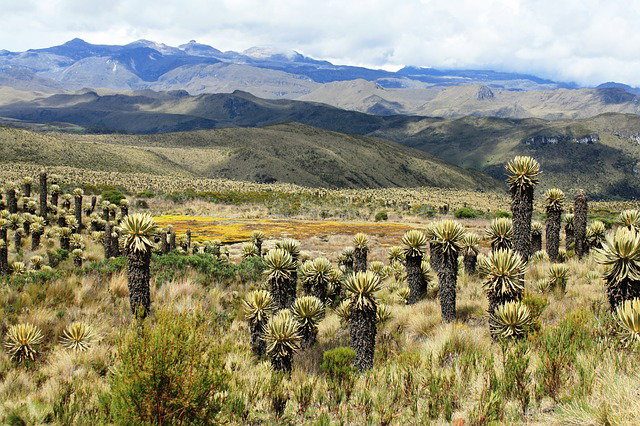
El páramo no es solo tierra alta. Es un mecanismo de retención hídrica complejo. Montañas. Arbustos bajos. Suelos que absorben lluvia como esponjas.
Este bioma se divide en tres niveles claros. Cada uno tiene su propia identidad.
Los tres tipos de páramo y sus diferencias
La clasificación depende de la altitud y la vegetación dominante. No es arbitrario.
Superpáramo
Aquí reina la tundra alpina. No hay árboles altos. Solo líquenes, musgos y arbustos enanos. Es el límite superior de la vida vegetal antes de la nieve eterna.
Páramo propiamente dicho
El corazón del bioma. Pastizales extensos. Frailejones (esas plantas peludas y grandes que parecen extrañas) dominan el paisaje. Turberas ácidas proliferan, almacenando carbono y agua.
Subpáramo
Más abajo. Bosques que bajan gradualmente. Arbustos bajos rompen la línea del árbol. La transición hacia la selva o el bosque nublado comienza aquí.
Clima: Frío, niebla y lluvia constante
Las temperaturas caen drásticamente con la altura.
- Superpáramo: hasta 10 °C.
- Páramo: alrededor de 5 °C.
- Subpáramo: cerca de 2 °C.
La neblina no es un evento ocasional. Es constante. La lluvia tampoco descansa. Todo el año. Esto crea un ambiente de humedad permanente. El agua no escurre. Se filtra.
Flora: Frailejones, orquídeas y gramíneas
La vegetación no busca ser alta. Busca sobrevivir al frío y la radiación UV.
- Gramíneas (hierba resistente).
- Pastizales.
- Musgo.
- Orquídeas adaptadas al frío.
- Arbustos pequeños, dispersos.
Los frailejones son clave. Sus grandes hojas pilosas atrapan el calor y la humedad. Sin ellos, el ecosistema colapsaría.
Fauna: Cóndores, pumas y zorros andinos
La vida animal aquí es resistente. Especializada.
El animal más icónico es el *cóndor. Un ave enorme. En peligro de extinción en muchas regiones. Vuela sobre los valles, buscando carroña o vida pequeña.
Otros residentes típicos:
– Danta (tapir andino).
– Conejo de páramo.
– Zorro de páramo.
– Puma.
Cada especie tiene un nicho específico en esta cadena alimentaria frágil.
Ubicación global de los páramos
¿Dónde puedes encontrar este bioma?
No es exclusivo de los Andes. Aunque esa es la zona más famosa.
- América Central: Costa Rica y Panamá.
- América del Sur: Cordillera de los Andes.
- África: Montañas altas como el Kilimanjaro o los Montes Rwenzori.
- Asia: Regiones montañosas del
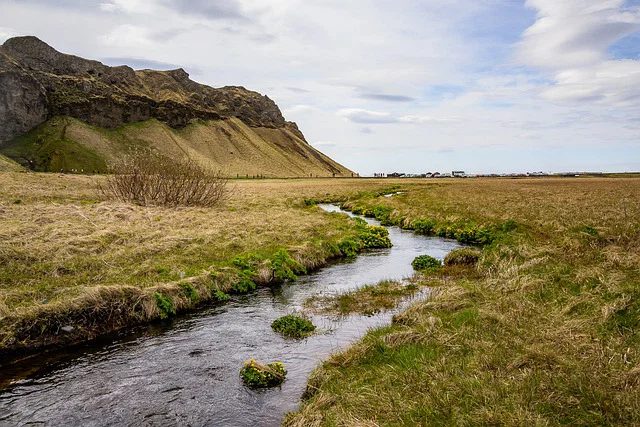
Grasslands are often defined simply as natural fields, but The definition does not take into account the structure of the landscape. Yes, a true steppe or steppe is a carpet of plants, but often rivers cut and sew it together. Ecosystems depend on hydrological networks as well as wind power.
To understand these biomes we need to look at temperature. Grasslands are usually located between the extremes of the desert and the rainforest. It is not a wasteland or a jungle. They fill the spaces in between, formed by rain that is too little to support trees but large enough for grasslands.
The Two Faces of Grassland
Not all grasslands are created equal. The climate determines the structure of the vegetation, and the structure of the vegetation determines the animals that survive there. There are two main categories.
Tropical grasslands runs on a binary clock. Basically, there are only two seasons: the dry season and the rainy season. Small temperature fluctuations. The climate is warm all year round. When it rains, plant growth accelerates rapidly, causing plants to grow explosively and die quickly in dry months.
Temperate grasslands tell a different story. Rainfall here is low and seasonal. Vegetation adapts by keeping it low. You see bushes and grass sticking to the ground, sheltered from the dry wind. The pampa of Argentina are a good example of The type. It is characterized by rugged, open terrain shaped by cold winters and mild summers.
“A distinguishing feature of temperate grasslands is low rainfall, which limits tree growth and favors the growth of lowland shrubs and hardy grasses.”
Temperate climate and flora
When we talk about temperate grasslands, we usually mean a certain temperature range. Average temperatures vary from 16 to 20 °C. It wasn’t freezing, but it wasn’t tropical heat either. A typical climate feature is constant rain in winter. This moisture keeps the soil fertile even in dry summers.
The vegetation reflects The balance. You rarely see tall trees here. Instead, the landscape is dominated by grasses (grass-like plants). These are the mainstay of the biome. There are scattered bushes nearby, but they are small to medium tall. They don’t compete for light like trees. They compete for land and moisture.
Who lives in the grass?
The fauna of the grasslands of the temperate zone is specialized. These animals are built for speed and endurance because there are no woods to hide.
Common residents are prairie dogs. They live in a complex underground burrow systems that supplies air to the soil. Then there is the Iberian hare, adapted to the open spaces of the European steppes. fox comet (a common fox found in steppe areas) and Pampas deer also roam these fields.
However, humans have significantly altered The biome. Wherever there are people, there are always livestock. Cows, sheep, and chickens today dominate many temperate grasslands and convert natural ecosystems into agricultural lands. The
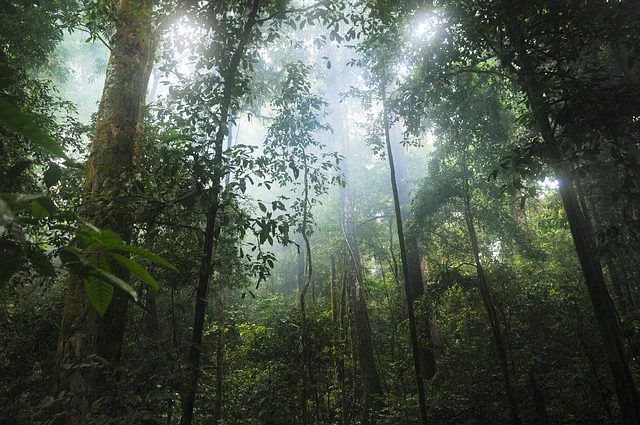
Tropical forests are more than just green areas on a map. These are the most densely populated biological ecosystems on earth. Although they cover 6% of the Earth’s surface, they house to more plants and animals than any other biome on Earth. This is not a small detail. This is an important ecological fact that defines global biodiversity.
The conditions that make life explode are special and extreme. When moisture and heat are removed, the system collapses. Understanding how these forests “work” can explain why their significance extends far beyond the local geographic area.
Heat and moisture engine
The climate of tropical forests is very stable. Temperatures vary from 19 to 28 °C throughout the year. It’s not winter here. There is moisture in the air, which causes constant rain and a constant layer of fog.
This environment creates a pressure cooker for biological activity. Without a seasonal drop in temperature, plants and animals do not have to adapt to dormancy. They are constantly growing, multiplying and competing. The result is an ecosystem that operates at maximum capacity 365 days a year.
The architecture of light
The most striking feature of tropical forests is their vertical complexity. The trees grow tall and wide and are densely packed. This density creates a thick canopy that blocks most of the sunlight reaching the forest floor.
“Plants stretch to get sunlight and can even grow on top of other plants.”
Lack of light leads to strange directions of evolution. The tree grows quickly and reaches a canopy. Vines and bromeliads take advantage of the vertical space. It is common for several plants to be attached to the trunk of one tree. These are not parasites in the traditional sense. They are opportunists who use their host as a foothold to gain access to the light. This vertical stratification would not exist without a dense overhead cover. Forests have been converted into high-rise apartment buildings that for life.
Predominance of insects and spiders
When you enter a tropical forest, you don’t see large herds of large mammals. You look at insects and spiders.
Scale is important here. Insects, such as beetles, make up most of the biomass. Spiders such as the Amazonian tarantula thrive in a humid understory. There are also plenty of reptiles. Snakes and turtles move easily through fallen leaves.
Mammals are also present, but in small numbers. You might find a capybara, a jaguar, a puma or various monkeys. But they are the exception, not the rule. The backbone of the food chain is dominated by insects. This supports a complex network of predators whose diversity is almost unmatched by any other biome.
Where is it?
These forests are not random. They are clustered around Earth’s Equator.
They are found on three major continents:
1. The Americas
2. Africa
3. Asia
The Amazon Rainforest in South The Americas is the most typical example. It is the largest tropical forest on Earth. But this is part of a global pattern. Similar biomes also exist in the Congo Basin and Southeast Asia. Location is key. The equator receives direct sunlight all year round. This continuous supply of energy fuels the growth cycle.
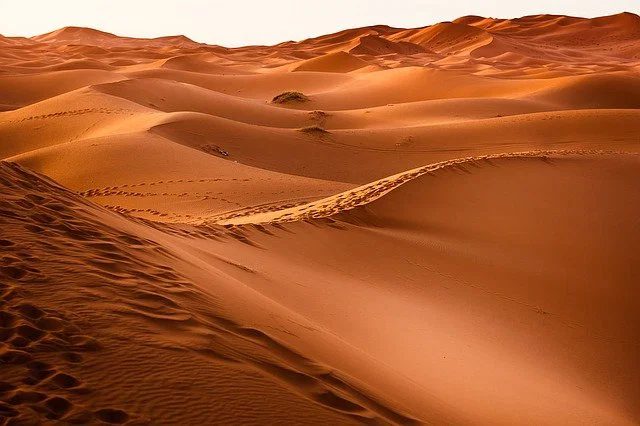
El bioma del desierto se define por una combinación letal: aridez extrema, ausencia casi total de lluvia y temperaturas que pueden matar. Esto crea un entorno hostil donde la vida lucha por existir. La biodiversidad, por consiguiente, es baja. No hay miles de especies compitiendo por recursos. Lo que hay es un puñado de organismos perfectamente ajustados al dolor.
Hay dos categorías principales. Son opuestas en temperatura pero compartes la misma falta de agua.
- Desiertos cálidos : Aquí el termómetro puede dispararse hasta los 50 °C. La radiación solar es implacable. El suelo se quema.
- Desiertos helados : Las temperaturas caen hasta -40 °C. En verano, apenas suben a 0 °C. El agua está congelada, inaccesible para la mayoría.
Plantas que sobreviven sin agua
La flora en estos lugares no sigue las reglas habituales. Deben resistir tanto el calor abrasador como el frío cortante. La sequía es el enemigo principal. Las plantas xerófitas dominan. Piensa en los cactus. Tienen cuerpos carnosos diseñados para retener agua durante meses o años. Sus espinas reducen la pérdida de humedad y disuaden a los herbívoros.
No crecen hojas anchas. Eso perdería agua por evaporación. En su lugar, tienen estructuras modificadas. La fotosíntesis ocurre de manera diferente para minimizar el estrés hídrico.
Animales adaptados al extremo
La fauna refleja la dureza del medio. En los desiertos cálidos, la vida nocturna es clave. Las serpientes evitan el sol del día. Los roedores huyen a sus madrigueras. Las aves carroñeras sobreviven con carroña o presas débiles. Los camellos y dromedarios son maestros de la conservación de agua. Pueden soportar horas sin beber.
En los polos y desiertos helados, la lista cambia. Orcas y focas dependen de océanos abiertos. Los pingüinos sobreviven al frío con capas de grasa y plumas. Los osos polares cazan en la banquisa. Ninguno de estos animales puede permitirse el lujo de desperdiciar calor o agua.
Dónde se encuentran los desiertos
La distribución geográfica sigue patrones climáticos específicos. Están ubicados en latitudes templadas y tropicales. La mayoría de los continentes tienen desiertos. Europa es la gran excepción. No hay desiertos naturales significativos allí.
El Sahara en África es el desierto cálido más grande del mundo. Ocupa una porción masiva del norte del continente. Su extensión es casi incomprehensible.
Por otro lado, el Gobi entre China y Mongolia es el desierto helado más grande. Aunque no es frío todo el año, sus condiciones áridas y temperaturas extremas lo clasifican aquí. La definición de “desierto helado” a veces se confunde con la Antártida, pero el Gobi representa la expansión de la aridez fría en Asia.
Manglar
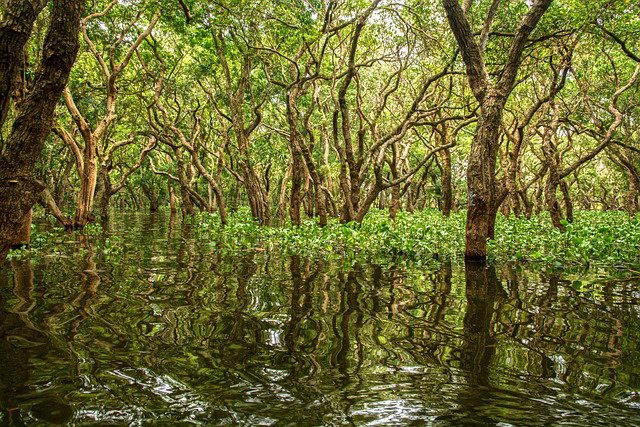
La idea de que un bosque puede crecer bajo el agua suena a contradicción. Sin embargo, los manglares existen precisamente en ese límite borroso. No son ríos ni océanos abiertos. Son humedales costeros donde la tierra y el mar chocan constantemente. El nombre viene del árbol mangle, una planta resistente que mantiene sus raíces y parte del tronco sumergidos.
Esto les da un aspecto fantasmal. Sus raíces aéreas parecen dedos saliendo del barro. Estas estructuras no son estéticas. Son vitales para la supervivencia en un entorno hostil. La salinidad alta y la falta de oxígeno en el lodo harían imposible la vida para la mayoría de las especies terrestres. Los mangles han desarrollado adaptaciones fascinantes para superar estos desafíos.
Cómo sobreviven los árboles en agua salada
La mayoría de las plantas mueren en agua salada. Las raíces no pueden absorber agua si la concentración de sal es demasiado alta. Los manglares tienen tres soluciones principales.
Primero, algunas especies filtran la sal en sus raíces. Bloquean hasta el 90% de la sal antes de que llegue al tronco. Segundo, otras acumulan la sal en sus hojas viejas. Cuando estas hojas caen al suelo, la sal se va con ellas. Tercero, algunas plantas excretan la sal a través de glándulas en sus hojas. Puedes ver cristales de sal brillando en las superficies foliares después de la marea alta.
Estos mecanismos permiten que los mangles prosperen en zonas donde la vida vegetal normalmente colapsa. Sin estas adaptaciones, los manglares no podrían existir. Y sin ellos, muchas especies costeras desaparecerían.
La fauna del manglar: más que un fondo verde
Debajo de la superficie acuática hay un mundo complejo. Los insectos como polillas y termitas encuentran en la madera de mangle un refugio seguro. La descomposición lenta de la materia orgánica crea un suelo rico en nutrientes. Este sustrato alimenta a una cadena alimenticia extensa.
Las tortugas marinas usan las playas cercanas a los manglares para anidar. Los cocodrilos acechan en las aguas estancadas, esperando presas desprevenidas. Las ranas y los anfibios encuentran un hábitat húmedo ideal. Las aves como los pelícanos y los gavilanes sobrevuelan la copa de los árboles, cazando peces y pequeños crustáceos.
Este equilibrio es frágil. La destrucción de un solo estrato afecta a toda la cadena. La pérdida de los manglares significa la pérdida de estos animales.
Dónde se encuentran los manglares del mundo
Los manglares se distribuyen en zonas tropicales y subtropicales. Cubren costas en los cinco continentes. Desde América del Norte hasta Australia, pasando por África y Asia. La ubicación ideal es donde los ríos se encuentran con el mar. El agua dulce diluye ligeramente la salinidad, creando un entorno más tolerable.
El manglar más grande del mundo está en Sundarbans. Se encuentra en el golfo formado por la India y Bangladesh. Esta área es tan vasta
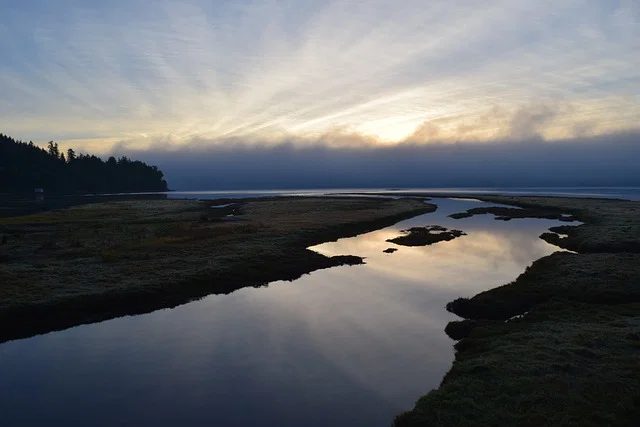
Los estuarios no son ni río ni mar. Son el punto de quiebre. Biomas acuáticos salobres que nacen cuando el agua dulce de un río choca con la salinidad del océano. Esta mezcla reduce la concentración de sal en comparación con el mar abierto, creando un ambiente único. Un equilibrio químico que permite que ciertas plantas y animales sobrevivan donde otros no podrían.
Clima Variable en Zonas Costeras
El clima aquí no sigue reglas estrictas. Depende de la latitud. Pero también de lo que traigan las corrientes oceánicas. Un estuario en zona tropical puede volverse gélido si una corriente de agua helada se introduce en la masa de agua. La temperatura fluctúa. La variabilidad es la norma, no la excepción.
Flora Halófita en Ambientes Salobres
La vegetación debe ser resistente. Las plantas que prosperan en estos bordes son halófitas. Tienen mecanismos fisiológicos para tolerar la salinidad que mataría a una planta terrestre común. Ejemplos concretos incluyen la abronia marítima. O la lechuga de mar. Sin estas adaptaciones, la vegetación colapsaría bajo la presión salina.
Fauna Anfibia y de Transición
Muchas especies marinas usan el estuario como guardería. Moluscos. Peces. Tortugas marinas. Crustáceos. Nacen aquí, crecen en esta agua menos densa y luego migran al océano para completar su ciclo. No son habitantes permanentes del mar abierto, pero dependen de este bioma para existir. También hay residentes fijos. Delfines de río. Mamíferos adaptados a la mezcla. Aves como el alcatraz y la gaviota patrullan estas aguas en busca de alimento.
Ubicación Geográfica Clave
Se encuentran, por definición, en desembocaduras de grandes ríos. Un ejemplo clásico es el estuario del Río de La Plata. Se forma donde los ríos Paraná y Uruguay se unen. Y donde esa agua dulce finalmente toca el océano Atlántico. La línea entre Argentina y Uruguay dibuja esta frontera acuática.
Arrecifes de Coral
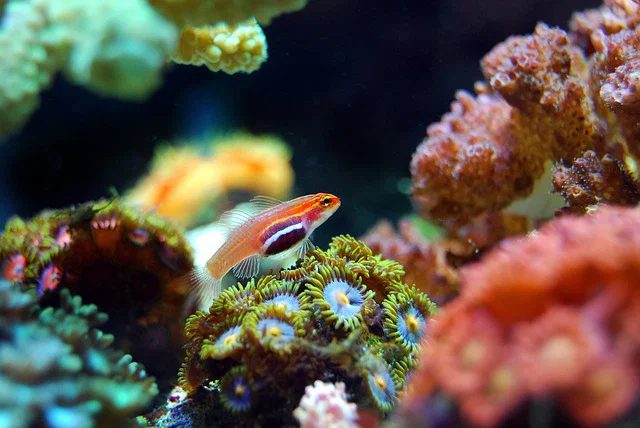
Coral reefs are more than just underwater rock formations. These are complex biological cities. These animals consist of colonies of stony corals that resemble sea anemones. The term “marine rainforest” exists for a reason. Biodiversity is rich here.
Temperature plays an important role in its survival. Most breed in tropical waters with temperatures between 22 and 28 °C. But it’s not limited to heat. Cold deep-sea coral reefs can withstand winter temperatures of 13 °C. Diversity is tenacious.
The Green and Red Undergrowth
What do you see when you look at the bottom of a coral reef? It’s not just coral. Vegetation prevails in the lower parts. Green, red and brown algae form a lush carpet. This flora supports the entire food web. Without it, the ecosystem collapses.
A Quarter of All Marine Life
The numbers are astounding. 25% of all known marine species call this biome home. This is a crowded place.
Coral reefs cover less than 1% of the ocean floor, but still support 25% of marine life.
Life is fast here. Medusas drift through the currents. Sponges constantly filter water. Worms penetrate the substrate. Sea cucumbers and starfish live at the bottom. Crustaceans such as lobsters, shrimps and crabs hide in crevices.
Bigger players are just as important. Sea turtles navigate this area every day. Dolphins also hunt in the same area. Birds such as the black-footed albatross also depend on this abundant natural resource. The diversity of fish species is unparalleled.
Where Are the Giants Located?
Geography is important. 90% of coral reefs are located between the Indian and Pacific oceans. The map is heavily tilted to the east.
The most famous example can be found off the coast of Australia. The Great Barrier Reef is the largest structure built by living organisms on Earth. This shows what happens when the conditions are right.
Why should we protect them? Because losing them would mean losing a quarter of the wealth of marine life. It’s not a question of whether they survive. It’s how much time we have left to let them.