


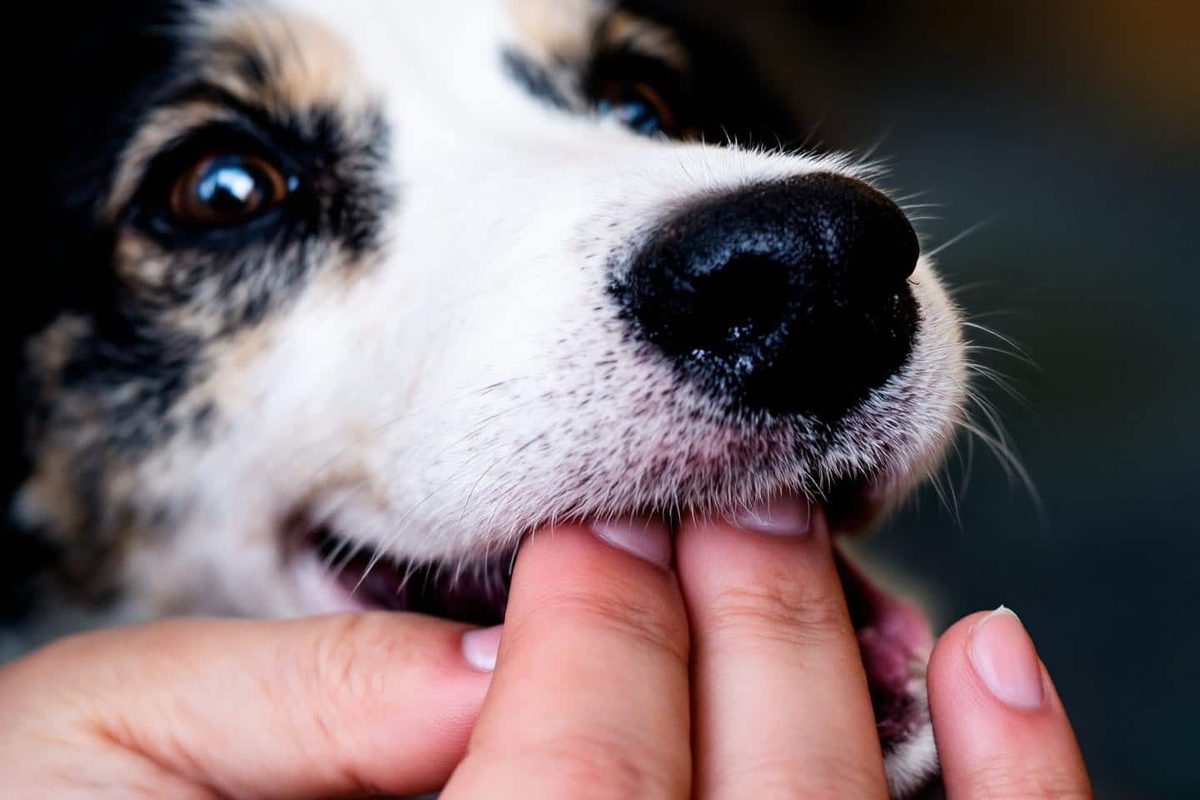
You know that look. The one that comes from under the table, eyes wide, waiting for you to drop a piece of cheese or a scrap of chicken on the floor. It’s hard to say no.
But here is the problem: your kitchen is a minefield for your pet. Ingredients that are harmless to you can trigger toxic reactions in a dog. Sometimes, the dose required to cause harm is shockingly small. A single grape. A bite of raw dough. These aren’t just bad habits; they are health risks that can escalate into emergencies.
How chocolate toxicity works in dogs
Chocolate is a major danger. The issue is theobromine, a compound found in cocoa. Dogs metabolize this substance very slowly compared to humans.
For small dogs, the threshold is low. A few grams of dark chocolate can trigger a cascade of symptoms: vomiting, tremors, seizures, and potentially coma. This isn’t just about “bad breath.” It is a systemic failure.
Keep chocolate tablets high up. Do not leave them on counters where a curious nose can reach them.
Why grapes and raisins are dangerous
This one defies common sense. You might assume a small handful of grapes is harmless. It is not.
The exact toxin in grapes remains unidentified, but the result is clear: acute kidney failure. It can happen with a single grape or a few raisins. There is no known safe quantity.
- Grapes
- Raisins
- Grape juice
If your dog eats any of these, contact a vet immediately. Do not wait for symptoms to appear. Kidney damage can be irreversible.
Onions, garlic, and leeks: The cumulative threat
In many households, onions and garlic are staples. They flavor soups, stews, and sauces. For dogs, these alliums destroy red blood cells.
The danger here is cumulative. You don’t need to feed your dog an onion bulb. A regular diet that includes small amounts of cooked onion or garlic in human leftovers can lead to severe anemia over time.
This applies to:
1. Raw onion
2. Cooked onion
3. Garlic (raw or cooked)
4. Leeks and chives
Even if you don’t see symptoms right away, the damage is happening. Keep human food with these aromatics away from your dog’s bowl.
The hidden dangers in raw dough and avocados
Some foods surprise people because they seem healthy or harmless.
Raw bread dough
If your dog eats raw yeast dough, the yeast continues to ferment in the stomach. This causes two problems:
– Bloating, which can twist the stomach (a life-threatening emergency)
– Alcohol production from fermentation, leading to intoxication
Never give raw dough to a dog. Wait for it to be fully baked.
Avocado
Avocados are marketed as superfoods, but they contain persin. This substance is toxic to dogs. It can cause gastrointestinal distress and heart issues. A piece of avocado left on the counter is enough to risk a vet visit.
Macadamia nuts
These nuts are particularly potent. Even a small amount can cause:
– Weakness in the hind legs
– Tremors
– Hyperthermia (overheating)
It is one of the few nuts where a tiny amount matters. Do not eat macadamias near your dog.
How to protect your dog from kitchen toxins
The key is vigilance. You cannot rely on your dog to know what is safe.
- Store toxic foods securely. Keep grapes, chocolate, and nuts in closed containers, not on open counters.
- Be careful with leftovers. Do not feed your dog scraps that contain onion, garlic, or grapes.
- Know the symptoms. Vomiting, lethargy, tremors, and difficulty breathing are signs of poisoning.
When in doubt, call your veterinarian. It is always better to ask than to risk a toxic reaction.
Your dog depends on you to navigate a world full of hidden dangers. A little caution goes a long way in keeping them safe.
Practical habits to keep your dog safe from kitchen hazards
Prevention beats panic. Once you know what to watch for, daily maintenance becomes less about stress and more about routine. You don’t need a PhD to protect your pet. You just need consistency.
- Lock it up. Keep chocolate, onions, and grapes in high cabinets or sealed containers. Dogs are opportunistic foragers. If they can smell it, they will try to get it.
- Stop the table scraps. That “small piece” of onion in your sandwich is not small to a dog. It is toxic. The rule is simple: no human food unless it has been vet-approved.
- Sticky with the family. Kids often don’t understand why a treat for them is dangerous for the dog. Educate them. Make it a household rule, not just your personal one.
- Stick to complete diets. Quality kibble or fresh food from your vet covers the nutritional bases. You don’t need to supplement with random leftovers.
Safe alternatives that actually work
Want to spoil your dog? You can. Just swap the dangerous items for safe ones. The goal is attention, not just calories.
- Apple slices (seeds removed). The seeds contain trace cyanide compounds. The flesh is fine.
- Cooked chicken breast. Plain. No salt, no pepper, no garlic powder. Just protein.
- Carrots. Crunchy, healthy, and cheap.
- Commercial dog treats. Check the label. “For dogs” isn’t enough. Look at the ingredient list. If you can’t pronounce it, skip it.
The thread connecting all safe options is simplicity. If you can identify every ingredient, you are likely in the clear.
What to do if the accident happens
It happens. The dog gets under the table. The chocolate is gone. Panic is normal. Useless is also normal. Do this instead:
Call your vet. Now. Not “if he throws up.” Not “if he seems sad.” Now.
Speed matters. The window to prevent severe complications narrows quickly. Whether it was a tiny nibble of macadamia nut or a large portion of raw dough, the protocol is the same: immediate professional assessment.
Don’t wait to see if the dog looks “fine.” Early symptoms are often subtle. Vomiting might not happen until hours later. The vet can induce vomiting or administer activated charcoal within the critical window. Waiting is the only real risk here.
Why these seven foods specifically?
The list isn’t arbitrary. It reflects the most common household items that pose documented risks to canines.
- Chocolate: Contains theobromine. Dark chocolate is worse. White chocolate is less risky but not safe.
- Grapes and raisins: The mechanism isn’t fully understood, but kidney failure is the documented outcome. Even small amounts are dangerous.
- Onions, garlic, and leeks: Cause hemolytic anemia. It can take days for symptoms to appear, which makes early detection hard.
- Raw dough: Yeast ferments in the stomach, producing ethanol and gas. The alcohol is the primary threat.
- Avocado: Contains persin. The pit is a choking hazard. The flesh is low risk but not zero.
- Macadamia nuts: Cause


