


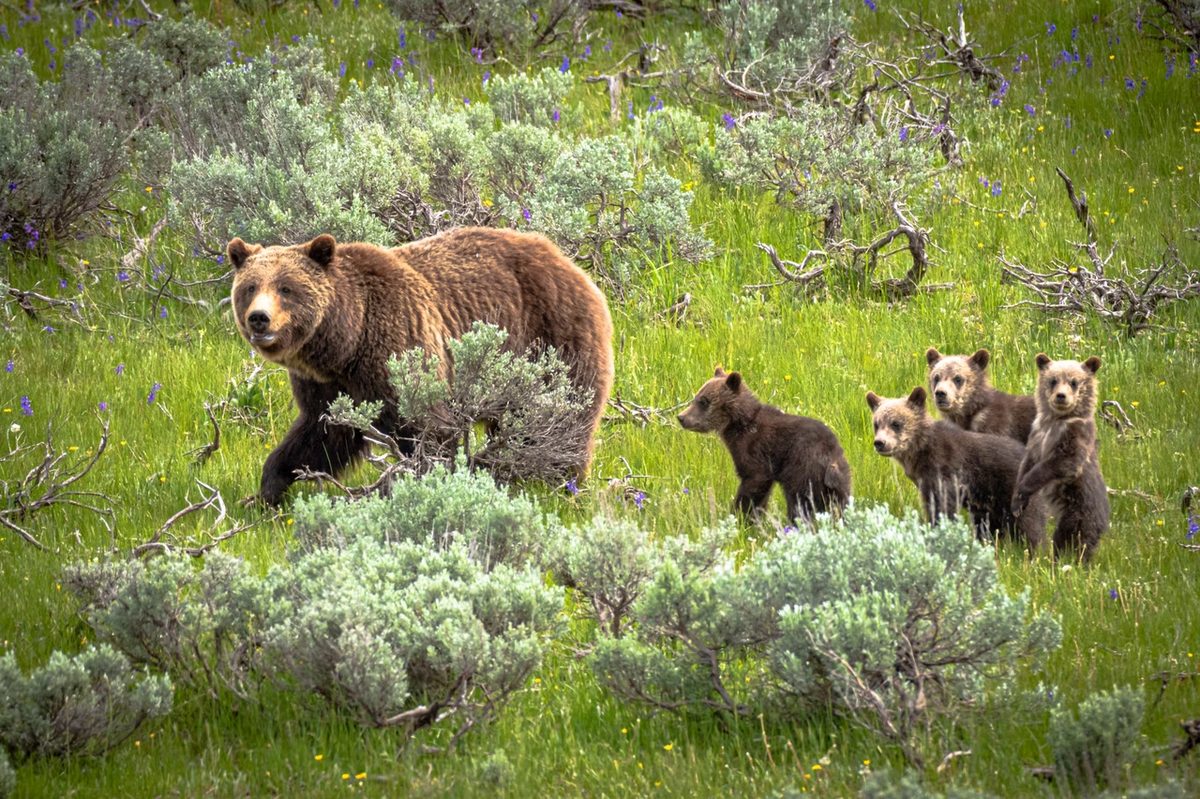
Wild animals don’t just hide behind fences. You don’t need cages or ticketed zoo admission to see wild animals in action. An open nature park is a place where living creatures roam freely. Most places show only glimpses of the usual birds, reptiles and the occasional large mammal. There aren’t many places where you can easily see it.
Two different areas offer almost perfect conditions for observing untouched nature. Although these are opposites in scenery, both promise an abundance of wildlife.
Serengeti and Masai Mara safari experience
The goal is the border between Tanzania and Kenya. This is where Serengeti National Park and Masai Mara Reserve come together. These are not just separate areas. They are interconnected ecosystems. Animals move freely between them. The density of wildlife here may be the highest on Earth. That’s why experts consider this the best safari on Earth.
Don’t just hang around and hope for the best. Local guides know where to look. With their help, the “Big 5” becomes a reality. They are lions, leopards, buffaloes, elephants and rhinoceroses. For many travelers, seeing all five in one trip is the holy grail.
But the Big 5 are just the headline act.
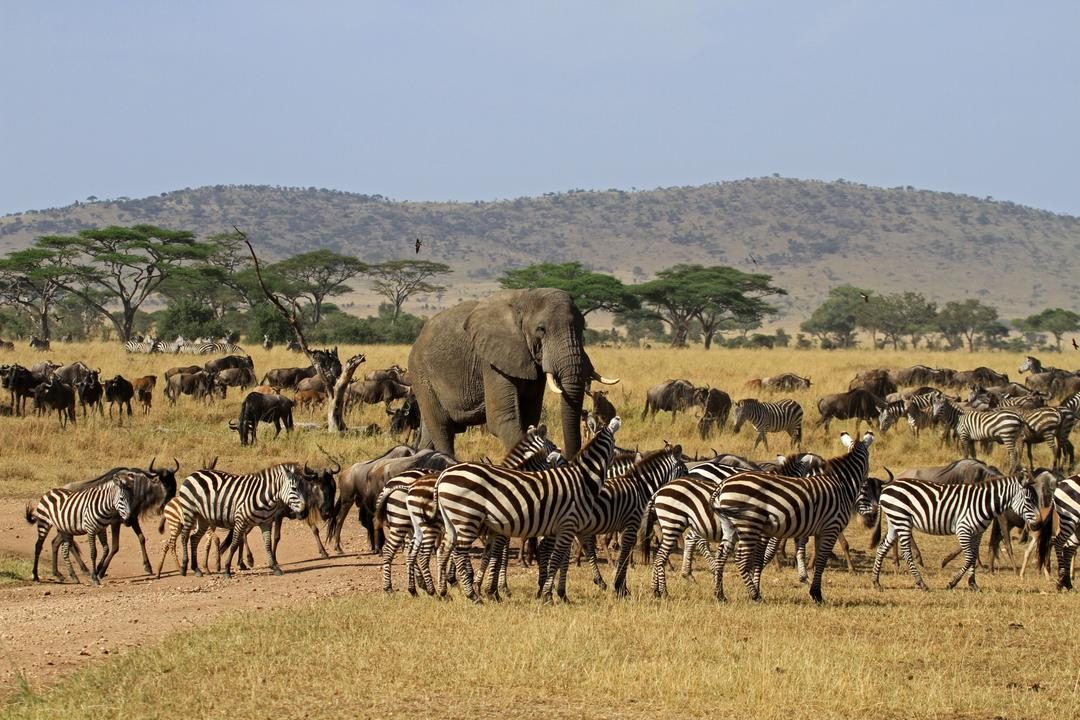
This land is full of other giants. A giraffe stretches its neck towards the horizon. Hippos lounge in a river. A crocodile is waiting in the shallows. Zebras and wildebeests move in dusty herds. You can see gazelles, hyenas and cheetahs hunting in the tall grass.
Bird watchers are no exception. The sky is full of birds of prey. Flamingos paint the lake pink. Ducks and guinea fowls dot the grounds.
Timing makes all the difference.
Visit between July and October to witness the Great Migration. Millions of zebras and wildebeests trek the savannah and across the rivers. They chase the rain. They are looking for new pastures. It’s a spectacle of survival that few places can match.
The ecosystem of the Serengeti Mara offers something that no other destination can match: sheer volume of life. It’s not just about seeing the animals. You can see thousands there. It’s about watching them interact. It’s about understanding the scale of nature when man steps back.
Other areas offer a wide variety of experiences. Amazon. The Arctic. But this corner of East Africa remains unmatched when it comes to sheer density and predictable sightings of large mammals. It’s not a question of whether you see them or not. What matters is whether you can handle the sheer volume of what you see.

Why Yellowstone’s Wildlife Can’t Be Ignored
Yellowstone National Park is located on the border of Wyoming and Montana. It’s not just about the geysers. It’s about the density of life. In North America, large mammals have survived human dispersal. Most keep their distance. They hide in forests. They are far from civilization.
Not here.
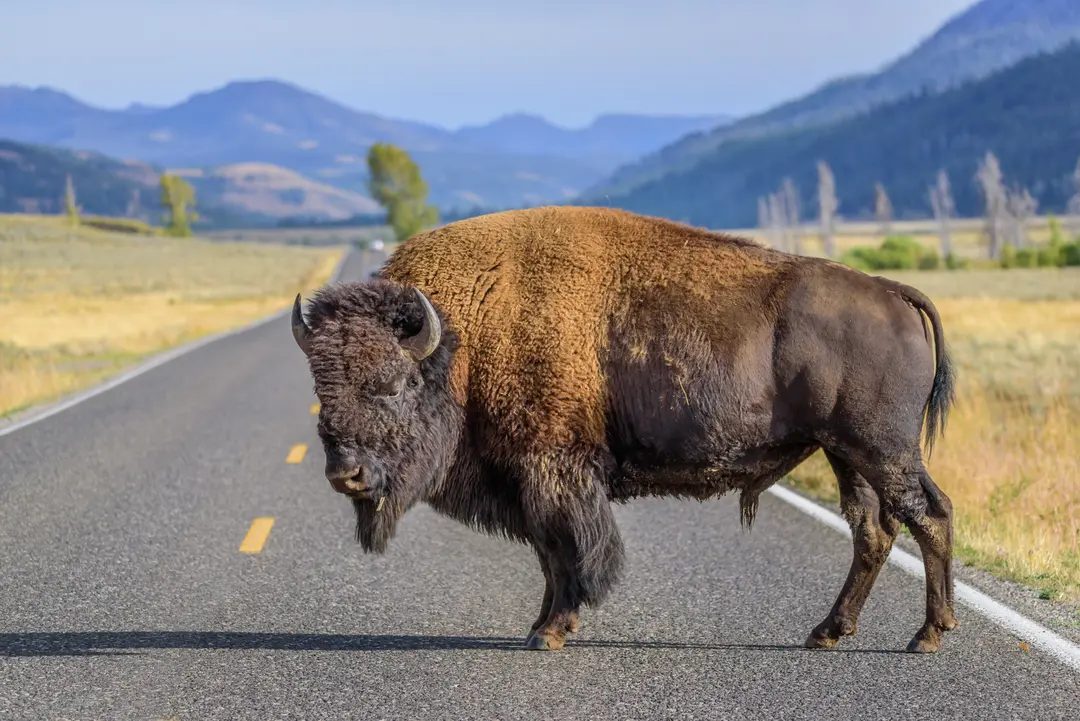
In Yellowstone, the animals are not afraid of you. They walk right to your car. Sometimes they walk up to you. There are no hunters here. The result is a lack of fear bordering on arrogance. You can’t walk through the park without seeing bison. A pronghorn grazes along the road. Elk—often called wapiti stand in meadows with zero regard for traffic.
What animals do you see?
No need for a telescope. Patience is needed. The lineup is staggering. Grizzly bears roam the mountains. Black bears lurk in the underbrush. Coyotes trot along the shoulders. A moose is standing in the water. Mouflon sheep cling to rocky outcrops. Raptors circle overhead.
If you hire a guide, you might even see wolves. They are elusive. They are legendary. But finding them requires luck and knowledge.
There are different options for solo travelers. You can book guided tours with a van. You can hop on the bus. Or you can drive there. Hiking is also allowed. However, there are certain requirements associated with hiking.
The only rule that will keep you alive
There are a lot of bears, so carrying bear spray is essential. This is necessary for safety. Attacks are rare. But they do happen. When this happens, spraying is your only real defense.
This is not a zoo. These animals are wild. they are huge. they are close. Respect the space. Or you can just watch from a safe distance. The park is alive. And it doesn’t care about your schedule.

May is a sweet time. More precisely, from mid-April to early June. There is little time before the summer rush. The bears are awake. they are very hungry. They scratch the ground in search of roots and grubs. It is also the time when babies are born. Elk calves and bison calves are born. The whole family can stay fresh without worrying about traffic jams.
And then comes autumn. September and October. The tourists thin out. The air becomes fresher. The bears are in a frenzy. In order to hibernate, they must store fat. They eat until they drop. It is the time of the elk bugle too. That guttural roar echoes through the valleys. It sounds like the earth is groaning.
But timing is only half the battle. The other half is behavior. You have to choose your viewing method wisely.
How to Choose Ethical Guides
Not all travel agencies follow the same rules. Some push too close. Others respect the distance. Find an agency with a code of conduct. The Best Practice Code is more than just a suggestion. It’s a safety net. it protects you. It protects animals.
Viewing wildlife in Yellowstone requires strict safety zones.
– Never approach animals. Keep your distance.
– Use approved guides. ** They understand patterns. They know the risks.
– Respect scarcity. **Food is limited. Stressing the animal during this time can be fatal.
Why is this important? Stressed bears may abandon their cubs. A panicked elk might run into traffic. Or worse, get shot. The survival of these species depends on their ability to feed and rest undisturbed. Especially when winter comes.
Which agency is best? There is no single answer. But the right person will never ask to get closer to you than the law allows. They prioritize animal welfare over photo opportunities.
Is it worth the extra cost? Absolutely. With a guided experience, you’ll have no trouble spotting wildlife. You get the story. You get the shots. Everyone survives.
Seasons change. Animals move. It’s up to you to watch. Don’t interfere.


