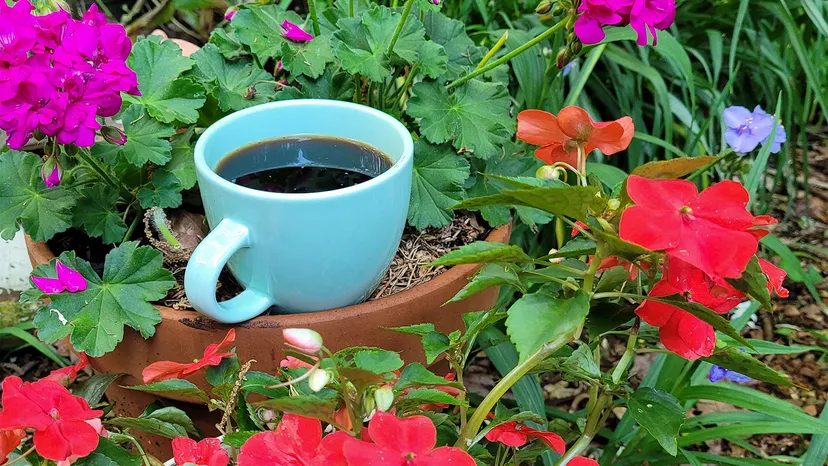
Stop pouring that cold brew down the sink. That last bit of coffee in the carafe isn’t waste. It’s a nutrient-dense fertilizer waiting to happen. You can use both the liquid and the grounds to feed your plants, whether they are potted on a windowsill or rooted in the garden soil.
Coffee provides a significant nitrogen boost. Nitrogen is what drives that lush, green growth and strengthens stems. It also contains calcium and magnesium. These minerals support overall plant health. But you cannot just dump a pot of dark roast on a petunia and expect it to thrive.
The Dilution Rule
You have to dilute the coffee. Think of the consistency of weak tea. If the solution is too strong, it can harm the plants rather than help them. A good ratio is about one-quarter coffee to three-quarters water. If you brew your coffee heavily, you might need to lean toward the half-and-half mix. It does not need to be chemically precise. Just make sure it looks watery.
This liquid fertilizer works on potted plants, houseplants, and in vegetable gardens. The key is acidity. Coffee and coffee grounds are acidic. While some plants prefer alkaline soil and will reject coffee, others thrive in it.
Plants like lily of the valley, lavender, and honeysuckle generally dislike acidic conditions. They will not do well with coffee additions. However, many other species love the lower pH levels.
Which Plants Love Coffee?
According to Gardening Know How, the following acid-loving plants will benefit from a regular dose of joe:
- African violets
- Blueberries
- Azaleas
- Phalaenopsis orchids
- Amaryllis
- Begonias
- Cyclamens
- Hydrangeas
- Bromeliads
- Gardenia
- Hyacinths
- Impatiens
- Ferns
- Roses
There are likely more plants on this list that fit the criteria, but these are the heavy hitters. If you have any of these, your leftover coffee is gold.
Frequency and Grounds
Feed your plants once a week with this weak coffee solution. They get water and nutrients in one step. It is an efficient routine.
Then there are the grounds. Do not toss them either. They are a potent source of nitrogen when added directly to soil or tossed into a compost pile. Some studies question the efficacy of adding grounds directly to soil, but many gardeners swear by the results.
Acid-loving plants such as blueberries, azaleas, and rhododendrons particularly enjoy the grounds. They raise the acidity level of the soil naturally. It also serves as a mild fertilizer over time.
Pest Control and Worms
Coffee grounds have a secondary benefit. They deter pests. Slugs, snails, and ants tend to avoid the gritty texture. It is a natural barrier.
If you practice vermicomposting, your worms will love the grounds. They break down quickly and provide energy.
The next time you finish your mug, pause. That dark liquid and the damp residue at the bottom of the filter are not trash. They are resources. Use them. Your garden will look the difference.
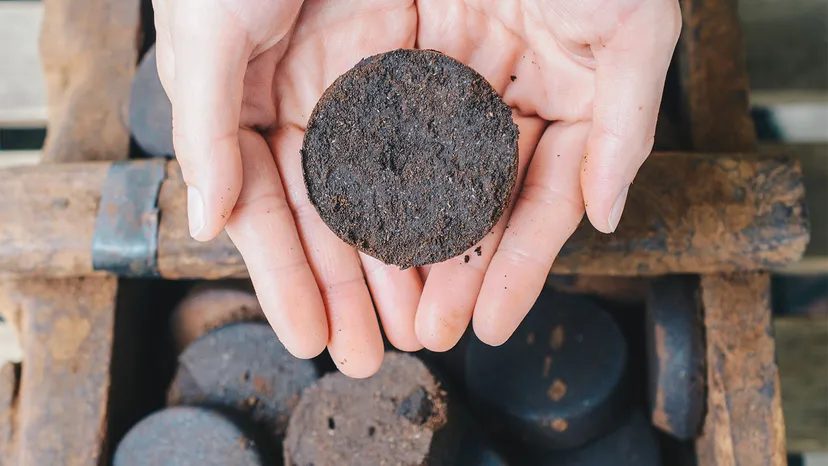

How to Use Coffee Grounds as Plant Fertilizer
Roses demand regular feeding. They are finicky. You can use coffee grounds to feed them, but you have to be careful. Too much nitrogen burns the blooms.
Acid-Loving Plants and Coffee Grounds
Coffee grounds change soil chemistry. They add acidity. This helps acid-loving plants thrive. Blueberries like it. Hydrangeas like it. Azaleas and hollies do too.
Plants That Hate Coffee Grounds
Not every plant benefits. Some suffer. Chinese mustard hates it. Italian ryegrass is not a fan. Asparagus fern and geraniums struggle in soil with grounds mixed in.
Application Rules
Sprinkle the grounds thinly. Keep them away from the stem. A few inches of space is best. Direct contact damages the plant.