Voiceover and dubbing are not interchangeable terms, although they both serve the same main goal: making visual media available to a wider, often foreign, audience. The difference is not just semantic. It is structural. It changes the way a character is seen, how the viewer engages with the story, and ultimately how the message is received.
The choice between the two depends entirely on the purpose of the project. A documentary may require one approach, while a blockbuster animation may require another. Mixing the two doesn’t just look unprofessional; it breaks immersion.
Defining the Techniques
To understand why the distinction is important, we must first clear up the ambiguity.
Dubbing completely replaces the original soundtrack. The actors re-record their lines in the target language, matching the lip movements (lip sync) and emotional timing as closely as possible to the original performance. Think Disney movies that were localized for the French or Spanish market. The goal is invisibility. You should forget that you are hearing another language.
Voiceover (or narration) covers the original voice with a new voice. The original sound is usually quieter, but still audible. This technique is common in documentaries, reality TV, and news reports. The viewer hears the narrator’s interpretation, but still retains the context of the original speaker’s voice.
“The dubbing is seamless integration; the narration is clear commentary.”
When to use which?
The choice between the two techniques is rarely a matter of preference. It’s about function.
Dubbing for Immersion
Dubbing is the gold standard in fiction. When you watch an animated movie or a dramatic series in another language, you want to stay in the story. Lip syncing allows the audience to focus on the visuals and action without being distracted by subtitles or disjointed audio. It takes considerable technical skill to match the movements and emotions of the actor’s mouth. Done poorly, it feels scary. When it’s done well, it feels native.
Voiceover for Context and Clarity
Voiceover excels when information needs to be clarified without removing the source material. In documentaries, a narrator can provide historical context, explain complex scientific concepts, or translate cultural nuances not conveyed by the original material. In reality television, voiceovers allow producers to emphasize certain reactions or add humorous comments without changing the original dialogue. It creates a layer of separation between the viewer and the subject that can be intentional and effective.
Why the difference is important
Confusing these two techniques leads to a poor user experience. Imagine watching a serious historical documentary where the original speakers have been completely muted and replaced with a completely lip-synced actor speaking a foreign language. The disconnect would be jarring. Authenticity is lost.
On the other hand, imagine dubbing a fast-paced news report. Lip sync would be impossible to achieve and the result would feel forced and artificial. Voiceover allows the urgency of the original reporting to be maintained while providing a translation.
The Technical Reality
From a production point of view, the differences are striking.
- Synchronization requires extensive post-production. This includes casting, recording sessions, lip sync analysis and precise editing to align the new audio and visual cues. It is labor intensive and expensive.
- Voiceover is generally more straightforward. It involves recording a script
When you’re sitting on the couch watching a foreign movie or cartoon, you might not think much about the sounds that fill your ears. But behind every dialogue there is a certain technical decision. Voiceover and dubbing are often used interchangeably in casual conversation, but they are fundamentally different processes. One adds a layer; the other replaces the foundation. Understanding the difference will change the way you experience performance on screen.
What is narration?
Voiceover is basically recording audio separately and layering it over existing visual elements. It is a recording technique where a narrator or actor records lines into a microphone, creating a soundtrack that is then synchronized with the visual media. This is standard for animated films. Imagine a cartoon character whose mouth moves, but whose voice comes from a studio voice actor rather than the character himself.
But it’s not just about comics. You hear voiceovers in other formats all the time. Documentary filmmakers use it to explain historical material. News anchors can read scripts that are recorded before broadcast. In instructional videos, the expert’s voice is often recorded separately and added to slides or diagrams. In these cases, the voice is an additional layer of information and does not necessarily replace the character’s speech performance on the screen.
What Is Dubbing?
Synchronization is a translation and localization process. It requires a production in one language – for example, an American film – and replaces the original soundtrack with an entirely new recording in another language, such as Turkish or Spanish. The goal is to get content to a new audience without them having to read subtitles.
During dubbing, the original performances of the actors are mentally preserved, but the actual voices are replaced. A Turkish dub of an American film means that the Turkish audience hears Turkish actors adapting the text as closely as possible to the lip movements and emotions of the original scene. For this reason, live-action films rarely feature dubbing unless the target audience is large and the budget allows for high-quality dubbing. It is the most popular way to bring foreign series and movies to mainstream audiences who want a seamless language experience.
Main differences
The line between the two may blur, but the intent and execution are different.
- Purpose: Voiceover often adds commentary or narration to visual media. The dubbing translates the dialogue of the characters in the story.
- Substitute: In connection with the explanation, the original voice (if available) is often preserved or the voice acts as an instruction. During synchronization, the original dialog is completely removed and replaced.
- Application: Voiceover is ubiquitous in animated films, documentaries and commercials. Dubbing is the king of international film and television distribution.
Consider the emotional impact. When you watch a dubbed anime, you experience the story through the lens of actors from a new culture. The flaps of the lips may not match perfectly, but the emotional resonance is translated. When you hear the narrator in a nature documentary, you are guided. The narrator stands outside the story and explains it to you.
So why does this matter? Because choice affects immersion. Dubbing aims for invisibility – the audience should forget they are watching the translation. Voiceover recognizes presence – it’s a tool to convey information or add a certain tone that visuals alone can’t provide. Next time you watch the show, listen
Think about the last time you watched a foreign film or animated series. Did the lips match the words? If not, you probably heard a voiceover. If so, you were listening to a dub. The two techniques are often used interchangeably in casual conversation, but in industry they are different processes with different goals. Understanding the difference requires more than just technical knowledge; It changes the way you experience media.
What exactly is the difference?
Let’s break down the mechanics. Voiceover is the process of recording someone speaking into a microphone to create an audio file. This is often used when a narrator is reading a script while the original video plays in the background, or when a character’s voice is replaced with an entirely new performance without trying to match the lip movements. It’s direct. It’s recorded. It’s a layer on top of the visual.
Dubbing is more complex. It takes a production originally shot in one language, translates the dialogue into another, and then records new voice actors who synchronize their speech to match the lip movements and timing of the original actors. The original audio is replaced, not just overlaid. The goal is invisibility. You should not notice that you are hearing another language.
Localization strategies
Why choose one over the other? Usually it depends on the localization goals. Dubbing is the heavy lifter in localizing foreign content for a mass audience. When a Hollywood blockbuster hits theaters in Germany or Japan, it’s almost always dubbed. The goal is to give the viewer the feeling that a foreign product is domestic.
Voiceover, on the other hand, is often reserved for specific contexts. In some areas, this is the standard for animated films, where the stylized nature of the animation allows for more flexible lip-sync. This is also common in commercials and documentaries where the focus is on information or a brand message instead of an actor’s performance.
The Performance Factor
There is a subtle but significant difference in the how the original performance is treated. Dubbing is about preserving the emotional arc of the original actor. The voice actor is tasked with replicating the energy, intensity and nuances of the original performance, only in a new language. It is a translation process that respects the source material.
Voiceover is a reconstruction. The voice actor doesn’t just translate the words; They reinterpret a character or narrator from scratch. The performance is entirely new and created by the voice artist. This can lead to a different emotional texture. Sometimes it feels more intimate, sometimes more distant. It depends on the script and the talent.
Synchronization challenge
Synchronization is where the technical rubber meets the road. In dubbing, the challenge is lip-sync. The new audio must align perfectly with the movements of the mouth on the screen. When the lips close on the English “B” sound, the Spanish actor must pronounce the “B” at the exact same moment. This requires careful timing and often script adaptation to the phonetic limitations of the target language.
Voiceover does not always require this accuracy. In many voiceover formats, the audio is recorded independently and layered over the video. The voice might not match to the movements of the lips at all. This is acceptable for news reports, narrated documentaries, or certain animation styles that do not rely on visual language.
Voiceover involves recording the spoken words of a character or person to create an audio file. This audio is then layered over the visual content. This is a common practice in local productions such as animated films, documentaries, educational videos, audiobooks, phone systems and commercials. In this technique, the narrator or actor reads the script while the original voice is either muted or kept very low.
Animated films
Animated films contain characters that do not exist in reality. They are primarily watched by children, who often watch these films multiple times. In these productions, the lip movements are not tied to specific languages. If the animation is based on a specific lip sync, it limits the audience to the original language. Voiceover allows the character’s mouth movements to remain independent of the dialogue. This allows the story to be translated without having to recreate the animation. Dubbing, which requires lip syncing with the new dialogue, is often impractical for this medium, as mouth shapes rarely match the phonetics of other languages. Voiceover bypasses this technical barrier entirely.
Documents
Documentaries provide information about people, places or events. They rely heavily on voiceover to guide the viewer through complex topics. The voiceover acts as a storyteller here. It helps maintain the audience’s attention and provides context that images alone cannot convey. A clear, authoritative voice can transform a simple video into an engaging voiceover.
Instructional videos
Instructional videos are used to convey specific topics. They are used in schools and corporate training environments. In these contexts, with the help of voiceover, an expert or teacher can explain the concept while the viewer watches the presentation or slides. The separation of audio and visual information helps the learner process the material more efficiently. Narration explains what is happening on the screen and ensures that the student understands the core lesson.
Telephone systems
Automated phone systems guide customers through menu options with the help of voiceover. When you call the company’s customer service number, the voice you hear is a recorded voice that directs you to the right department. It speeds up the process by giving clear instructions. This technology reduces people’s need for human operators. The voice must be clear, concise and easy to understand so that the caller is not frustrated.
Commercial advertisements
Advertisements use voiceover to promote products or services. The sound emphasizes the properties of the object for sale. The goal is to influence the target group and create brand awareness. A well-chosen voice can evoke confidence, excitement or urgency. This technique allows the product to speak for itself while the narrator offers a compelling argument.
Dubbing: when to use it?
Dubbing replaces the original audio track with a new track recorded in a different language. Unlike voiceover, dubbing requires Actors to synchronize their speech with the lip movements of the characters on screen. This process is more complicated and time-consuming than voiceover.
Dubbing is typically used in situations where lip sync is important for immersion. Feature films and television series are often dubbed in countries where the audience wants to hear the actors speak in their native language. This is common in markets such as Germany, France and Spain. The goal is to make the viewing experience feel natural, as if the Actors were actually speaking the local language.
Voiceover is preferred when lip sync is not a priority. It is often used in news reports, interviews and foreign films where the focus is on

Dubbing is essentially the process of re-recording dialogue in a different language while meticulously matching the lip movements of the on-screen characters. It is the primary tool for localizing foreign content, ensuring that audiences who don’t speak the original language can follow the narrative without reading subtitles. While it might seem like a simple translation job, the technical and artistic demands are surprisingly high.
The Nuance of Foreign TV Series
In many countries, including ours, foreign TV series are rarely shown in their original audio track. Instead, dubbed versions are broadcast to maximize accessibility. The goal here is seamless integration. The dubbing isn’t just about translating words; it’s about timing. When the dubbing aligns with the actors’ mouth movements, viewers absorb the story more naturally. It removes the cognitive load of reading subtitles, allowing the audience to focus entirely on the visual storytelling and emotional cues of the characters.
Cinema and the Choice of Dubbed Films
Cinema operates differently. Foreign films are often released with subtitles to preserve the original performance. However, dubbed versions exist for a specific reason: mass appeal. By localizing a film into the native language, studios can reach a broader demographic, including children and older viewers who might find subtitles distracting. This approach transforms a foreign film into a domestic viewing experience, potentially increasing box office revenue and allowing viewers to enjoy the plot without distraction.
Documentaries and Narrative Clarity
Documentaries present a unique challenge. They can be released with subtitles, but dubbing can significantly widen their reach. In documentaries, the voice of the narrator is often just as important as the visuals. A well-dubbed narration ensures that complex information or historical context is understood clearly. It bridges the gap between foreign cultures and local audiences, making educational content more engaging and less alienating.
Animation and Child-Friendly Content
For animated series and films, dubbed audio is almost the standard. Since children are the primary audience, comprehension is key. Dubbing allows young viewers to understand the plot without struggling with a second language. The lip-syncing in animation is often exaggerated, which makes the technical process of dubbing slightly more forgiving, but it remains critical for maintaining the illusion that the characters are speaking directly to the child viewer.
Voice Acting vs. Dubbing: What’s the Difference?
People often confuse voice acting with dubbing, but they serve different purposes. Voice acting involves recording a character’s voice for projects like commercials, animated series, video games, or educational materials. The voice actor creates a sound from scratch or enhances an existing character.
Dubbing, on the other hand, is strictly about localization. It is the replacement of the original dialogue in a live-action or animated film with a new language track that must match the original actors’ lip movements and timing.
When Is Each Used?
Voice acting is ubiquitous in advertising, video games, and animation. It’s also used for narrators in documentaries or hosts of events. It’s about creating a persona.
Dubbing is reserved for localizing existing media. You’ll find it in foreign films, TV series, and animated features intended for international distribution. It’s about translation and synchronization.
The Toolkit: Equipment Matters
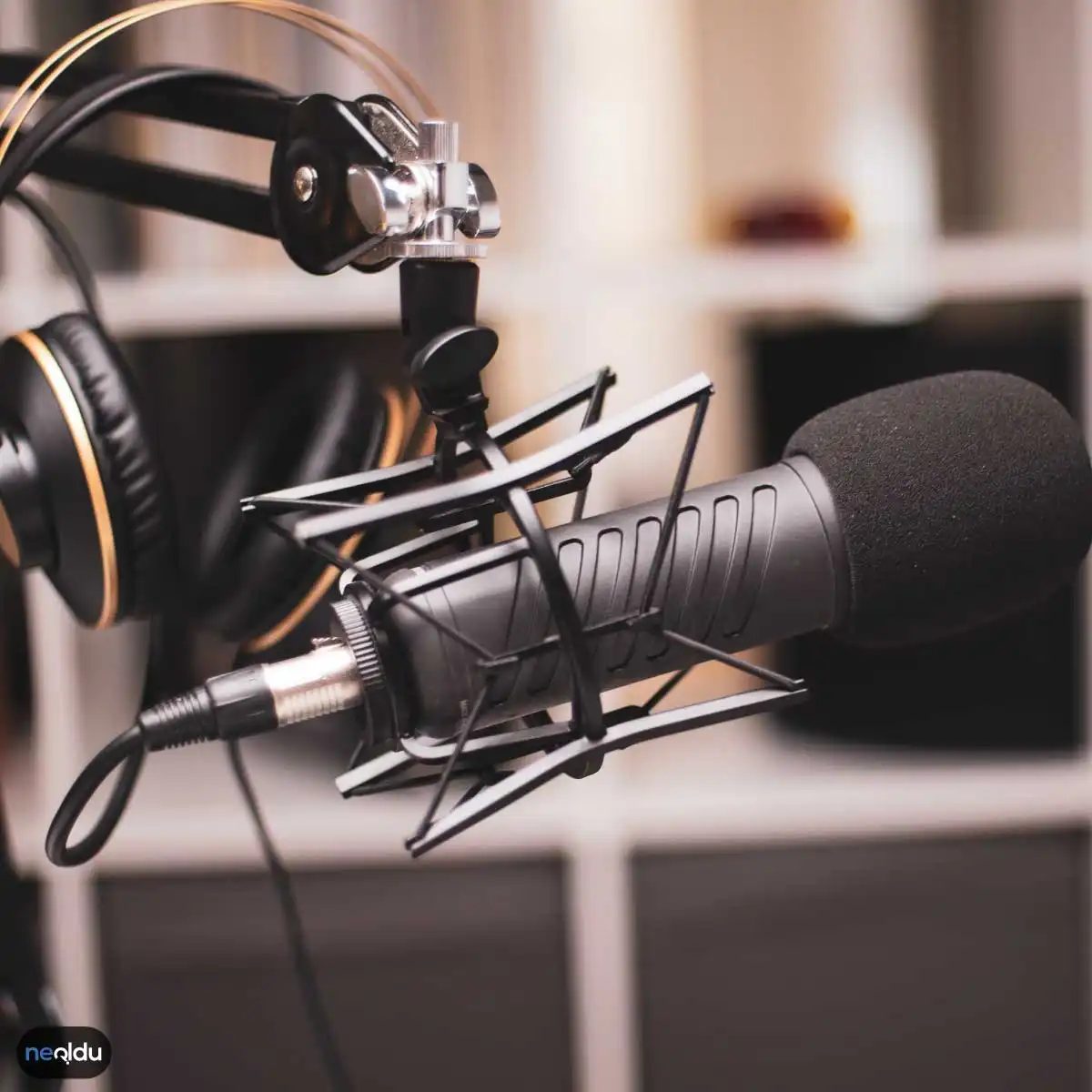
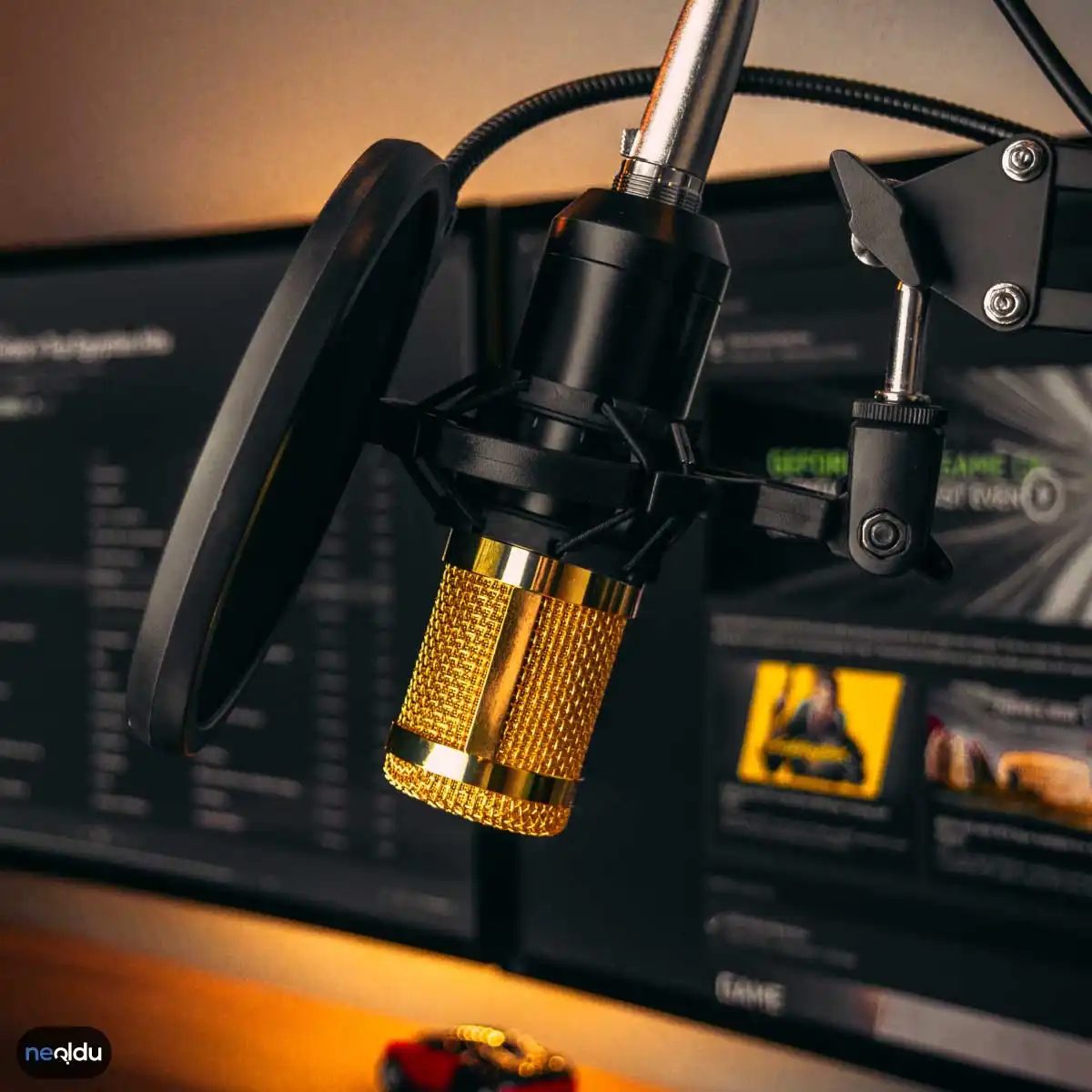
Whether you are doing voice acting or dubbing, the hardware requirements are similar. You need a high-quality microphone capable of capturing nuance. Headphones are essential for monitoring audio during recording. A digital audio workstation (DAW) or sound recording device is necessary for capturing the tracks, and editing software is required to clean up noise, adjust levels, and sync the audio with the video.
The Skills Behind the Mic
Success in this field requires more than just a good voice. Diction must be crisp. Tone and pacing need to match the emotional weight of the scene. Voice actors and dubbers must master breathing techniques to avoid audible gasps that break immersion.
But there’s a harder skill: lip-syncing. In dubbing, you have to match the phonetic sounds to the visual mouth movements of the actor. This requires intense focus and practice. You also need strong character analysis skills to understand the persona you are voicing, and you must be able to read scripts quickly under pressure.
Training and Experience
If you want to enter this field, formal education helps. Courses in diction, speech therapy, and acting techniques are foundational. Learning how to analyze a character and interpret a script is equally important.
However, theory only goes so far. Practical experience in a recording studio is invaluable. Internships or entry-level roles allow you to learn the technical side of the industry, understand studio etiquette, and refine your ear for timing and sync. It’s a craft that improves with every session.