
We imagine early humans huddled around crackling fires, holding charred rocks for warmth. This picture is not completely wrong. Fire changed everything. It gives us light, prepares food and keeps predators away. This is a big leap forward. But fire is only the starting gun. This is not the first “heating system”. It’s not a system at all. The scene was chaotic. This is dangerous. This is temporary.
Think about it. When you put out the fire, the cold comes back. This heat cannot be stored for later use. You cannot move from room to room. you are trapped. So the heating story does not end there. It has evolved. Things get complicated. It was planned.
“The fire was just an starting gun. It wasn’t the original ‘heating system’.”
The human desire to control the temperature did not die out with the first spark. It grew. We started looking for ways to maintain this heat. To spread it. Make it reliable. This development is more than just history. That’s why modern apartments still stays at 70 degrees, even when it’s freezing outside.
Why is this important now? Because you know where the heating starts, tells you where to go. We are moving away from burning things to heat our homes. We are moving towards efficiency. Towards sustainable development. There is a long way from cave fires to smart thermostats. It’s very messy. It is full of failures and breakthroughs.
The story begins here. It’s about how we learn to retain heat. How to learn to drive it? And why did this simple act of keeping warm shape our civilization? The next chapter explains how heating is more than just comfort. It’s about survival. It’s about power. It’s about technology that continues to define our everyday lives.
At the end of summer, the sun shines brightly. Although the weather is still warm, the reality of winter is approaching this time of year. You must already feel it in your bones. The heating season is coming. Most people sigh at the thought. We are afraid of bills. We hate adjusting radiator valves and fiddling with thermostats.
But don’t do it. Take a breath.
Clicking on a digital screen is more than just a chore. It was the end of centuries of careful evolution. For many years, we have strived to create comfortable homes. Central heating is so integrated into our lifestyle that it deserves respect. A little respect.
Let’s go back. I have been back for a long time.
Crazy start
The fire situation is complicated. It is very warm. It is also destructive. They also tend to burn houses and forests. However, the common denominator is fire. to all human cultures. All ways of heating space since ancient times. Everything starts with fire.
It was crazy at first. Unpredictable. Dangerous.
How do people tame fire?
Before pipes and boilers, fires had to be put out. We have to keep it alive all night. Without a constant source of heat, the nights can get cold. And the cold is deadly. Early humans learned to protect themselves from embers. Come and feed them. To make it last longer. It’s not just about convenience. It’s about survival. But it is also the first step towards environmental control. We are no longer passive victims of the weather. We started fighting back.
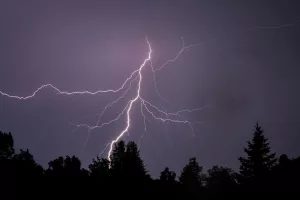
Early humans didn’t start with matches
We don’t inherit the ability to start a fire. This is a hard-earned skill. Our ancestors only knew forest fires, which were usually caused by lightning strikes. They soon learn that fire can destroy everything, but controlled burning can also produce heat.
The burning of the fire is another matter.
Collect glowing embers, wrap them in wet leaves and pack them in bark containers. If the wood still has enough heat after a few hours, dry moss can help start the fire. It’s a fragile logistical nightmare.
How Friction Changes Everything
This experiment probably produced the first artificial spark. When the shaped Stone Tools collided, they could generate enough heat to start a fire. The original lighter was born out of random physics.
However, this approach has limitations. Requires certain rocks and iron-rich materials. These are not everywhere. Man has adapted.
They used the same logic that rubs your hands to stay warm: friction.
Fire drilling science
Fire drills include pushing a stick into a flat piece of wood and spinning it quickly. The generated frictional heat exceeds the ignition temperature. Add tinder and it will catch fire. This is an evolutionary step in human creativity.
Early heating strategy
The oldest heating method in prehistoric times was a pit fire.
Our ancestors used digging sticks to dig holes for shelter. They lit a fire directly into the depression. This model has clear advantages.
- Limiting the fire to a small area
-The fire slows down when the supply of oxygen is limited - Less light means better sleep
- The heat rises upwards for targeted cooking
The heat in the whole room did not heat up. It creates a microclimate. Only a fraction of the cold world’s surviving temperatures.

A spark from 800,000 years ago
The oldest known human fire pit are from about 800,000 years ago. We are talking about the era of Homo erectus here. This sounds like a trivial archaeological find. This is not true. The evolutionary significance of the domestication of fire cannot be overstated. Without warmth, it is impossible to go to cold areas. Humanity remains confined to its tropical comfort zone.
Fire doesn’t just protect against the cold. It changes what we eat. Cooking breaks down tough fibers and releases calories that raw food cannot provide. It kills pathogens that would otherwise make you sick. This change in eating habits contributed to the rapid increase in the brain size of our ancestors. The energy density of cooked foods enabled the development of larger and more expensive organs such as the brain. We are smarter today because we cooked our food.
Ancient Radiant Floor
Early shelters were more than just tents with a hole in the middle. This causes a smoke problem. It also keeps the sleeping area cool. The solution is ingenious. They dug a hole in front of the house. Then they dug a trench that ran through the entire building. They covered the trench and built the sleeping platform right on top.
When lit, the pit produces more than just heat and smoke. They passed through an underground passage. Heat radiates into the sleeping area. This was an early version of radiant heating. The smoke is vented elsewhere, so that the living spaces are ventilated. The floor becomes a heater. This simple engineering work makes living environments warmer, safer and more stable. Turn your shelter from just a wind shield into a temperature-controlled environment.
Floor heating in Greece
The Greeks adopted this concept and refined it into their hypocaust system. It’s not just about heating the place to sleep. They heated entire sections of buildings. Air and heat circulate under the floor and inside the walls. The room was very warm. Much warmer than any open fire.
But there are also logistical problems. Larger buildings require more fuel. It takes time for the heat to penetrate the structure. The fire must be lit as soon as possible. You needed a steady supply of wood or charcoal. It’s not just about convenience. It’s about resource management. The degree of heating determines the structure of the building. It determines the economy of the household.
The transition from holes in the ground to heated rooms changed the way people interact with the environment. We prevent ourselves from adapting to the cold by building walls. We begin to adapt by transferring heat. It’s a small change in physics, but one that shapes everyday life. You can enjoy the luxury of staying warm all the time.
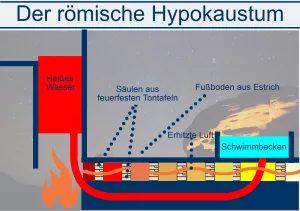
Central heating wasn’t the only thing the Romans were passionate about. they made it perfect.
Early civilizations used basic kettles and simple stoves, but “hypocaust” changed the game. It’s not just about heating the air. It is important to transfer heat efficiently through the structure.
This system utilizes the cavity under the floor. Hot air and smoke from the oven circulate under the raised floor and inside the walls. It creates even and gentle heat throughout the large space. This technology was used in bathrooms, villas and even some military installations.
It was basically an early boiler room. But it doesn’t just heat the water, it heats the entire outer wall of the building.
Projects supporting heat
The genius is in the construction.
The floor is built on masonry columns. A chimney-like space is created. The heat from the praefurnium (furnace) is transferred to the floor below. It also moved through hollow tiles for walls.
This dual approach means there are no cold spots. The heat radiates up from the floor and out through the walls. This is a passive heating system and requires little active maintenance after ignition.
But there’s a problem. Fuel is expensive. Wood and charcoal must be bought and transported. This makes hypocausts a luxury. Only wealthy people or state can burn that much biomass.
From the bathroom to a water heater
This article refers to a specific development: the use of the hypocaust principle as an early boiler.
As the technology became more common, engineers began adjusting heat sources. Instead of heating the air, hot gas is now pumped to heat the large water tanks. This is very important for bath culture.
Roman baths were more than just places to clean. They are social centers. Swimming pools, showers and steam rooms require large amounts of hot water.
The hypocaust provides the constant, high amount of heat needed to boil these containers. Turn your heating system into a hot water engine.
This innovation allows for larger bathtubs and higher temperatures. They supported Rome’s urban density by providing public services unmatched by private residences.
Why today matters
We often think of ancient technology as primitive. However, an hypocaust demonstrates a deep understanding of thermodynamics.
Removes heat from the heat source. Uses air circulation instead of direct contact. Insulate your living space from smoke and soot.
Modern floor heating systems still use the same basic principle: heat from below. The material is different. The control system is digital. But the core idea remains.
The Romans noticed that heating the space from the floor up was more comfortable and efficient than heating the room from one point.
Restrictions
While this system is good, it also has its flaws.
It requires constant attention. When the hypocaust goes out, so does the heat. The chimney can become blocked. Bricks can crack due to heat stress.
Next is the price. Maintaining a hypocaust is laborious. Specialized personnel are needed to maintain the oven. This limits its use in high-status buildings.
Most Roman homes used a simple stove. That’s cheaper. However, they were smoky and uneven.
Prairie hypocaust is still a symbol of power. Getting it means being able to burn wood that could
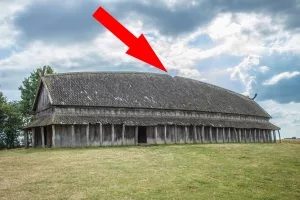
Almost a thousand years after the fall of Rome, our ancestors kept a fire in the middle of the room. Smoke was coming out of the hole in the roof. You don’t have to worry about soot. Just light the fire and open the sky.
Then people started building buildings. Two stories. three. The roof becomes a solid wall. The hole that was open has disappeared. Fire must move. It retreated to the wall and found the chimney. It’s not just about convenience. It’s about survival. If the whole house is full of smoke, you cannot live on the second floor. However, brick chimneys did not become popular right away. Only in the 15th century did these structures become common in the region.
14th century: Die Ersten Kachelöfen
Until the late Middle Ages, hearths were surrounded by thick stones. These stones store heat very poorly. They get little and give back even less. Heat only radiates directly from the flame. This inefficiency forced builders to install fireplaces in almost every room. Ventilation networks can be a nightmare due to the complex piping.
In the 14th century, changes took place in the Eastern Alps. The first tile oven appeared. These are more than just heaters. They are heat batteries. The bricks absorb a large amount of heat energy from the fire and slowly release it over several hours. The central furnace can now heat several floors. Efficiency has improved dramatically.
However, these “Kachelofen” remained luxurious for centuries. Only wealthy people can afford it. They are status symbols, not household necessities. Ordinary peasants still huddled around crude hearths, trying to stay warm.
Das Schornsteinfegerhandwerk entsteht
The proliferation of chimneys creates new problems. Medieval cities were densely populated. The houses lean towards each other. Sparks can jump from roof to roof. Soot fires occur with terrifying frequency. The entire block was reduced to ashes.
The apartment owners cleaned the chimneys themselves. However, the efficiency has decreased. Many people skip housework. The risks are too great to ignore. The city responded by issuing fire ordinances. They appointed a central chimney sweeps. This new profession took over cleaning duties. Guarantees regular maintenance. Reduce the risk of catastrophic fires. Schornsteinfeger was born out of necessity, not craftsmanship.
Ein warmer Herd ….
In the Middle Ages, cooking and heating were also split. In the past, fires did both. Then came the High Middle Ages. A masonry foundation was built. Fuel is went in the bottom. The upper part has a grill for pots and pans. Above it is a smoke chamber with a space between.
This separation is key. Stabilizes the air flow. Improve cooking conditions. But what about the stove as we know it? Are there flat plates and hinged doors? They only appeared in the 18th century. open grate have been the standard for hundreds of years.
16. Jahrhundert: Das Holz geht zur Neige
Man has been heating his home this way for thousands of years. Then there was a change. Around year 1000. the medieval Warm Period began. The temperature rises. Agriculture is booming. The population grew explosively. As the number of people increases, hunger increases. More hunger means more agriculture. Increased cultivation requires more fuel.
In the 16th century, the local forests began to show their limits. Wood is no longer infinite. The cheap and abundant heat sources of the Middle Ages were disappearing. Cities are constantly growing. Demand exceeds supply. The situation is set for a crisis that forces new technological breakthroughs. Old ways are out of date. literally.

Deforestation is not a new problem in Europe. The Romans cleared forests around their settlements to meet the needs of complex heating systems. But in the 16th century, the situation turned from manageable to critical. There was a real shortage of wood.
Scarcity is caused by the combination of two forces. One is steady population growth. Another, more harmful, is the age’s explosive curiosity about the world.
Explorers need ships. Ships need wood. Strong and tall wood was especially needed for the mast and frame. The demand for building a fleet exceeds the regeneration capacity of forests.
This bottleneck forced us to change direction. Society focuses on resources that were previously considered poor. Coal and charcoal are no longer considered dirty, low-quality fuels. They are the only viable option.
The rise of black gold
This transition marks a turning point in energy history. It’s not just about finding new sources of fuel. It’s all about adapting to physical limits. The abundance of wood allowed for a certain type of growth. When this limit is reached, innovation occurs.
Once neglected, coal is now the backbone of industrial potential. It burned hotter. It lasted longer. You also don’t have to cut down forests to use a single kiln.
This change will not happen quickly. Old ways die. But the financial pressures are too great to ignore. As ships expand into uncharted waters, the need for energy used on land also increases rapidly. The relationship between the expansion of the fleet and inland energy consumption became undeniable.
Why today matters
We often look at the past through the lens of discovery: journeys, maps, flags planted in new lands. But the impetus for these trips is often mundane. It was a logbook. There was a fire. This is because there are fewer trees.
Understanding this background changes the way we look at the energy transition. We don’t stop even in the face of resource limitations. We find something else. Reevaluate what was considered “waste” or “poor quality.”
Relying on coal in the 16th century wasn’t a grand philosophical choice. This is a survival strategy. This strategy laid the foundation for the industrial world we live in today.
Switching from wood to coal is more than just an energy exchange. This is a response to the physical limitations of nature.
The consequences rippled out. In some areas, the forests have started to recover, but others have been decimated for shipyards. The air gets thicker. The economy is growing fast. The balance of power shifted to those who controlled the mines.
We are still navigating similar limits. The resources that seem abundant now may not be forever. The question isn’t whether we’ll run out of something. It’s what we’ll choose to replace it with. And whether we’ll look hard enough at what we’ve been ignoring.
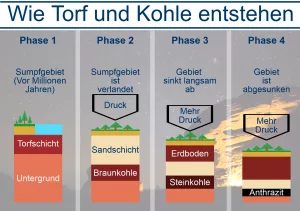
Early coal mining had the advantage of simplicity. Many seams stick out of the ground like jagged teeth waiting to be grabbed. But things have changed. When surface deposits disappear, miners have to dig deeper into the earth’s crust. This shift directly connects humanity’s warm history with dark and dangerous mining operations.
The Peat Alternative
Coal is not a one-size-fits-all solution. In wetlands where there are few stones, people use peat. It has been in use for centuries, but the lack of wood forced its expansion. Peat harvesting requires draining the bog. As a result, the landscape changed completely. The land is dry. The fuel burns at a higher temperature. This is done out of necessity, not for convenience.
Central heating logic
First central heating system (1716)
Heating has been done locally for centuries. You started the fire. The smoke rises. The room is heating up. This is ineffective. It’s also smoky. In 1716, the Swedish engineer Marten Trifvald came up with a revolutionary idea. What happens if you heat water instead of air? What happens if you pump hot water through a pipe?
He tested his theory in a greenhouse in England. It worked. Hot water circulation. The air remains clear. This technique quickly became popular. Who could afford that? The aristocracy. Their property had too many rooms to heat separately. A centralized system solves logistical nightmares. It’s not just about warming up the body. It’s all about scaling.
The transition from open fire to piped hot water marked the birth of modern climate control.
This innovation doesn’t just change the look of your home. It changed the design of buildings. It is also possible to make the walls thinner. The windows could be bigger. Fireplaces ceased to be a source of survival and became a decoration.
However, dependence on deep mining continues. When surface coal runs out, so do simple solutions. The same engines that power these new heating systems are drilled deep into the ground.
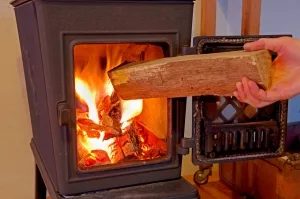
New central heating. It is a status symbol for some wealthy people. But the public did not expect radiators. They expand their living space. As the number of rooms increases, the amount of cold air increases. Open fireplaces simply did not meet the needs of the rising middle class.
Enter the Zimmerofen. The room heater.
Industrialization released surplus iron to the market. Iron has a strong thermal conductivity. Engineers don’t need to reinvent the wheel. They just have to build the box. Small closed iron ovens have appeared in living rooms, kitchens and bedrooms. No need for a big flue or chimney. It’s just a little tube.
Safety is a big selling point. No open flames. No burning debris flying around. A closed system. It’s okay to leave it alone. The heat radiates evenly. This is very effective. It is very cheap. All rooms are comfortable even in winter.
The rise of personal hygiene
Cleaning is nothing new. The Romans had hot springs. The Greeks had a bathhouse. But what is the relationship between bacteria and disease? This is new science. By the 19th century, medicine had caught up with common sense. Washing regularly reduced illness. It’s not just about looking good. It’s about survival.
People like to shower. But it turned out to be a logistical nightmare.
Until the advent of proper technology, bathing was a chore. You dipped into a river. Or you hauled water. Place it in a large wooden barrel and heat. So tired. This is ineffective.
Then came the Badeofen. The bath heater.
Large-scale water heating
The design was brutalist but brilliant. A huge metal tank. Below it is a fire pit. You started the fire. The heat transferred directly to the water tank above. simple physics. No complicated plumbing required. There is no pressure system.
This device bridges the gap between survival and comfort.
When public baths were introduced, ordinary households followed suit and their standard of living changed. People weren’t just staying alive. They were relaxing. Bathing has changed from a necessary and laborious task to a leisurely hobby. You can soak in it. You can relax.
Cleaning is at your fingertips. Since then, public health indicators have also improved. The iron stove keeps the air warm. The bath heater kept the water hot. Together, they modernized the domestic sphere.
We take it for granted.
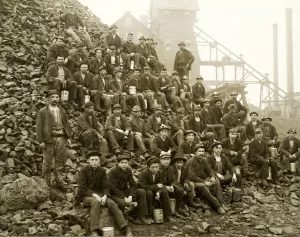
The population didn’t just keep climbing. It exploded.
In the 18th and 19th centuries, people moved to cities in droves. They rushed to the urban centers where the labor force suddenly increased. Why? Because the industrial revolution needed bodies. Factories need workers. Workers need warmth.
But it’s not just about survival. It was about comfort. Everyone wants a fireplace that can withstand harsh winters. But heating your home requires fuel. The industrial engine driving these growing cities demands more.
The Price of Steel and Steam
This is the problem. You can’t make steel without coal.
The steelmaking industry uses more than just small amounts of coal. It gobbled it up in massive quantities. But for ordinary people living in small apartments, coal is also the only option to combat cold air.
In other words, two great forces are moving in the same direction. Factories burn coal to produce goods. Every household burns coal to keep the cold away.
result?
Air quality in industrial centers drops sharply when smoke and exhaust gases create continuous, suffocating fog in city centers.
It’s not just the air that’s polluted. It became unbreathable. The sky turned gray. Buildings turned black. The air above these cities is full of industrial soot.
Regional Hotspots of Darkness
This is not a common experience. Very localized.
If you live in the countryside, the air can still be fresh. But what if you are in a large industrial center? Your reality is different.
Take Chemnitz in Germany for example. or Manchester in the UK.
These are the epicenters of this smoke. In Manchester, the famous “Penny Black” newspaper had to publish its edition in yellow ink because the red ink would not dry in the thick, humid smoke. In Chemnitz, coal dust accumulates on every surface and covers the city with a layer of dirt that cannot be washed away.
The price people pay for heat
The quality of life in these cities has not only declined; It crashed.
It’s not just industrial production that makes life miserable. This is a personal price for staying warm. Households spend a large part of their income on coal. They burned it in a small, inefficient stove, and the smoke leaked into the living room.
Therefore, the factory outside is polluted, and the home inside is also polluted.
Children play in the streets that are full of black dust. Adults cough all night. “Fog” is not a meteorological phenomenon. This is a structural feature of everyday life.
Post-war change
Then World War II happened.
Conflict changes everything. Not just politically. But environmentally.
The city was bombed. The factory was destroyed. Industrial machinery was shut down or re-commissioned for war production. For a moment, the smoke stopped.
After the end of the war, however, the coal didn’t.
The demand for energy is increasing again. The infrastructure is different this time. Old and inefficient furnaces were gradually replaced by central heating systems. The air quality began to change, but traces of black skies remained.
The transition was not smooth. It can’t happen right away. However, the era of the open fireplace
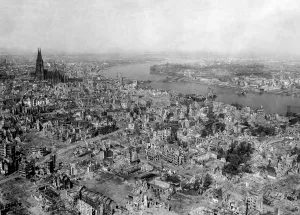
The devastation of World War II was not just a tragedy. It was a blank slate. Rebuilding in the ruins of Europe involves more than just building walls. It’s all about efficiency. For the first time, it makes economic sense to integrate modern heating systems directly into new buildings. A successful central heating system is not created in a vacuum. It appeared from the ruins.
The Death of the Coal Scuttle
People are exhausted. Not only because of the war, but also because of the work required to maintain the hearth. Moving dirty coal briquettes into your home can be a painstaking task. Very dirty. This is ineffective. As new homes are built, old single-burner stoves start to look outdated.
These early central systems were still burning coal, but the dynamic was changing. Homeowners no longer want to carry fuel bags. They want comfort. The solid fuel market for individual stoves has dried up and replaced by thermostats and switches.
The rise of gas and oil networks
The reconstruction work forced a complete renovation of the city’s infrastructure. Engineers don’t just build roads. They put in new pipes. This creates the possibility of connecting entire cities to natural gas pipelines. Suddenly, heating is no longer a single event within one room. It becomes a practical tool for transporting energy through walls and floors.
Oil also plays a big role. Wars required fuel for tanks and airplanes, forcing oil production to expand around the world. However, after the end of the conflict, the processing of by-products became central. Especially heating oil.
Why is this important? Heating oil is a cheap by-product of gasoline production. It provides every community with the same convenience as natural gas without the complex city-wide pipeline network. It is liquid, effective and widely available. It has become the default choice for millions of households looking for modern warmth.
Limitations of district heating
However, there are alternatives. In industrial areas that already produce large amounts of waste heat, engineers developed district heating. The concept is simple. Steam or hot water is supplied directly to residential buildings through insulated pipes.
But he never really won. It is not available everywhere. The physics were against it. Heat loss on long journeys is inevitable. Even with insulation, energy is lost from the plant to the apartment. The further the connection is, the less efficient the system is. So while they survived near factories and dense urban centers, it couldn’t compete with the flexibility and low transmission losses of individual gas and oil boilers to meet suburban expansion.
This change changed people’s lifestyle. The fireplace, which used to be the center of family life, has now been moved to the basement. Or behind the vent. The smell of smoke in the living room is gone. However, began complex and hidden infrastructure. We traded coal labor for pipeline dependence.
Does this change still affect our energy choices today? Perhaps. The infrastructure we built in the post-war decades still determines how we heat our homes.
The two decades after World War II may have been the golden age of home heating. For the first time, this system does not require human intervention. You set it. It ran away. I forgot.
Then came 1973.
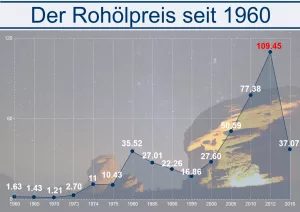
As a result of the Yom Kippur war, OPEC countries’ oil production was cut by 5%. This small reduction is enough to throw the West into a frenzy. Oil and gas prices have risen.
Heating oil bore the brunt. Suddenly, oil heaters were labeled a liability. They represent complete dependence on geopolitical whims and unpredictable costs. heating oil prices trended downward in the early 2000s, but the stigma never completely disappeared.
The oil crisis is not just a market fluctuation. It basically forces us to rethink how we consume energy.
The year 1973 was an important year for the development of heating. It’s not just about price increases. It changes the entire trajectory of technology.
The Fall of Storage Heaters
One of the direct victims is night storage heater.
In the 1950s and 1960s, these units were a practical alternative to individual boilers and central systems. Installation is easy. Flexible wiring is attractive.
By 1973, this flexibility felt like a burden. They were energy guzzlers.
The German government finally decided to ban their operation in 2009. They later changed his mind, but the damage was done. The age of electricity, a cheap and easy way to store heat, is practically over.
Change of mindset
The crisis has not only disturbed the market. It breaks the illusion.
It forces the public to face the harsh reality that fossil fuels are finite.
Consumption must be reduced. This recognition led to developments that we still benefit from today. We no longer assume that energy is infinite. We started looking for efficiency.
The stigma against oil heat still lingers. But the conversation has changed. We no longer just ask how our home is heated. We have to ask the question how are we going to pay for it.
The genie is out of the bottle. And it didn’t go back in.
The West’s Wake-Up Call
The oil crisis did more than just raise prices. A strategic vulnerability was exposed. For the general public, it was an annoyance. For the government, this is a threat to national security. You can’t be reliant on a supplier to turn off the faucet. Missiles are not needed. Just close the valve.
The USA’s response was a pivoting hard. They poured money in exploring new oil fields. The result? The United States is once again the world’s largest oil producer. But the true story has nothing to do with fossil fuels. It was about what happened next. The crisis has forced large investments in alternative heating solutions.
Solar Power Takes Off
Solar technology directly benefits from this pressure.
Consider this timeline. In 1873, engineer Willoughby Smith discovered that selenium produced electricity when exposed to light. That’s a century before the modern solar power industry was born. For 100 years no one cared. Why? Oil is cheap. Solar cells are expensive and inefficient. Their only viable use is in space. Satellites need electricity that is not dependent on rocket fuel.
Then came the oil crisis.
Suddenly, the economics changed. The pursuit of alternative heating solutions has accelerated the transformation of solar energy research from niche curiosity to mainstream necessity. The development that started with selenium in the 19th century eventually reached critical mass.
Looking Ahead
We’ve come a long way from the earlier days of batteries that were “lightning in a jar” to modern homes that stay warm even in blizzards. But where is the trajectory pointing?
Heating in 2017 and Beyond
One thing is certain. Heat pumps are becoming a key part of modern heating strategies.
It’s not just about variety. There are many different heat pumps and heat sources to choose from. The real advantage lies in their flexibility. Heat pumps work with electricity. Electricity comes from the wind. From solar. From nuclear. From coal. The device itself does not care about the source. It only cares about moving of heat from one place to another.
The separation of heat from direct fuel combustion is a changes the game. If your grid gets cleaner a clean heating system. No new fuel infrastructure is needed. Just a change in the power mix.
This change is not only technical. This is political. It’s about control. Who controls the energy source controls the leverage. The oil crisis has taught us that dependence is weakness. In the era of heat pumps, it’s all about building resilience through diversity of the supply.
This is not a perfect system. Grid capacity is a constraint. The initial costs are high. However, the direction is clear. We are moving from burning things to moving energy.
Where does that leave the gas boiler? The transition is slow. But there is momentum. Unlike the oil fields, you can’t hide the sun.

In the world of home heating, the myth that newer is always better is being broken. We are witnessing a strange and real turn, where technologies that were once considered obsolete are coming back to life. Not because it’s attractive, but because it solves certain pressing problems: energy storage and comfort.
Let’s take night-storage heater as an example. It sounds dusty and inefficient like a 1970s basement. But technology is making a quiet comeback. The reason is not nostalgia. This is physics. These units act as giant thermal batteries. When the grid is filled with renewable energy, cheap excess wind and solar energy is absorbed and stored as heat. Then they release it slowly during peak hours. This is a great way to balance the electricity grid, which does not always match supply and demand.
Why oil and gas are not running out yet
Despite electrification, oil and gas have shown resilience. they are not dead. They are just quiet. Modern condensing boilers are a holdover from the oil crisis era and have become frighteningly efficient. These devices collect heat from exhaust gases that have previously escaped through the chimney. result? Fuel consumption is only a fraction of its predecessor.
There is also the convenience factor. Regardless of the weather, having instant, reliable heat at the turn of a knob. The infrastructure is there. This habit continues. Until storage technology becomes widespread, fossil fuels will continue to be the default fuel in millions of homes, no longer the carbon monsters they once were due to their convenience and increased efficiency.
Solar heat: more than just electricity
We often talk about solar panels that generate electricity. We rarely discuss them generating heat directly. Solar collectors already cover countless roofs. They work by circulating a mixture of water and glycol that absorbs solar energy. Even on cold, cloudy days, the liquid is heated to a sufficient temperature to transfer heat to the domestic water circuit or radiator system.
The economy here is unique. After installation, operating costs are practically zero. The only cost is the electricity to run the circulation pump. With the right location and proper insulation, this system can handle most of the home’s heating load without a backup boiler. In a way, it’s passive income from your utility bills.
Wood: Immortal follower
Wood is making a big return to mainstream heating, but not in the form of crackling fireplaces. It will come back as a scalable industrial solution. Why? Three reasons: availability, sustainability, and modularity.
Industrial forestry became very efficient and wood was once again readily available. It also grows. It recycles the carbon dioxide it absorbs during its life cycle. This is a closed loop. But the real game changer isn’t the logs. This is a particle.
Pellet: modern fuel
Pelletized wood has solved the labor problems associated with traditional wood heating. These dense, uniform cylinders can be stored in silos and automatically pumped to boilers. They mimic the convenience of oil. You keep the tank (or build silos) and transport infrastructure, but switch fuel sources.
Compatibility with the existing tank space makes the transition economical even for homeowners who are not ready to overhaul their entire heating system. This is not a revolution. this is evolution

Wood prices are climbing. That’s why wood stoves are making a comeback. But this is not your grandfather’s fireplace. The operating logic of modern stoves is completely different. Designed to collect particles. Very few pollutants escape from the chimney. The flame inside looks ancient. This technology is clearly modern.
There is another factor driving this return. Many modern systems are connected directly to the domestic water circuit. They act as an additional heat source. You can use them to cover certain parts of your heating costs without going off the grid completely.
How to build a house that does not require heating
Passive houses and zero energy houses are at the top of the energy scale. They are currently unbeatable in efficiency. A zero-energy house produces as much energy as it consumes. But the passive house goes one step further. Designed to work without external heat supply.
This is not science fiction. It’s a matter of physics and insulation.
“Passive houses are designed to utilize internal heat gain and superior envelope integrity to stay comfortable without traditional heating systems.”
How does this work in practice? This is not a single technique. It is a combination of three important factors.
First, the insulation. The exterior walls of the building must be very tight. Heat does not want to leave. By design, it is restricted to the inside.
The second is passive solar gain. Facade collectors and strategically placed windows capture the heat of the sun. The house essentially cooks itself during the day.
- Ventilation. This is where things get even more complicated. High-tech ventilation systems are needed to recover heat from the exhaust air. When stale air leaves your home, the system absorbs the heat it contains and transfers it to the incoming fresh air.
The result is a closed loop. Heat enters. Heat is stored. The heat is recovered.
Efficiency costs
This sounds like a utopia. this is. But it comes with a price tag.
Building a passive house costs a lot of money. The materials are specialized. The construction details must be flawless. One insulation gap can endanger the entire system.
There are also some trade-offs. A house like this cannot be designed loosely. Every window location, every projection and every choice of material depends on energy efficiency. If you want a certain building style to protect against solar radiation or draft, you pay. Otherwise, you will reject your passive criteria.
We haven’t escaped fire yet. We’ve just outsmarted it. For a million years we have relied on combustion to survive. Now do the same with geometry and insulation. The oven returns, yes. But Passive House offers a way to a future where we may never have to burn anything.
It remains to be seen whether cost barriers will fall enough to become the default rather than the exception.