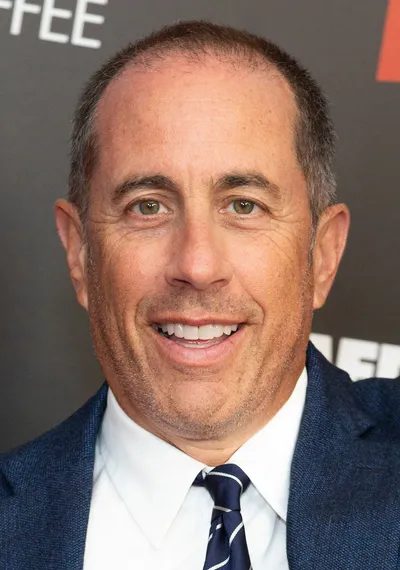
Jerry Seinfeld didn’t just make jokes. He dissected the absurdity of everyday life until the punchlines hit like small, precise shocks. Born in Brooklyn on April 29, 1954, Seinfeld grew up watching the world with a comedian’s eye before he even knew it was a profession. His father was a sign maker who secretly loved comedy, a detail that probably explains why Jerry started his own training regimen by age eight. He didn’t go to improv classes. He sat in front of the TV, studying every timing cue and setup from the masters.
The result was a style built on the mundane. While other comics shouted for attention, Seinfeld whispered the thoughts everyone else was too polite to say. He made his stand-up debut in 1976, working the clubs for years. Then came 1981. An appearance on The Tonight Show changed everything. It was his first taste of national fame. By the late 1980s, he wasn’t just a comic. He was an institution.
The Anatomy of a Sitcom Landmark
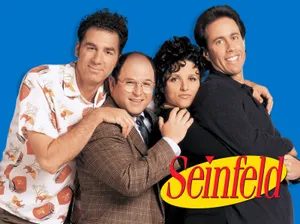
That fame led to Seinfeld. It ran from 1989 to 1998 and became a cultural touchstone in a way that few shows ever manage. Critics called it a “show about nothing.” That label stuck, but it missed the point. The show was about everything, provided that everything was trivial. Traffic jams. Waiting for reservations. The proper way to hold a sandwich.
Seinfeld’s observational humor turned these small annoyances into high art. He found the comedy in the friction between social expectations and human laziness. The show didn’t need grand arcs or life-changing moments. It thrived on the quiet disasters of daily existence. This approach didn’t just entertain. It taught a generation how to laugh at their own petty frustrations. The characters were flawed, self-absorbed, and utterly real. They weren’t heroes. They were neighbors you might avoid at the coffee shop.
Why It Still Matters
Decades later, the show remains relevant. Why? Because people are still stuck in traffic. They are still worried about what people think of them. Seinfeld captured that universal anxiety and turned it into a mirror. The writing was tight. The timing was impeccable. It was a masterclass in how to say less and mean more.


From New York to the Silver Screen
The cultural footprint of Seinfeld didn’t fade when the credits rolled in 1998. In fact, that was just the beginning. Jerry Seinfeld, who had already cemented his status as a comedy titan with the show that ran for nine seasons, didn’t retreat into obscurity. He stepped back into the spotlight, but on his own terms.
His return to television was subtle at first. He appeared as himself in Larry David’s follow-up, Curb Your Enthusiasm. It was a meta move, really. The cast of Seinfeld even reunited for several episodes in 2009, reminding everyone what they had created. But Seinfeld didn’t stop there. He tried his hand at producing reality TV with The Marriage Ref in 2010. The concept was simple: celebrity guests mediate arguments between married couples. It lasted two seasons before the network pulled the plug. Not every experiment hits the mark, but it showed he was still curious about the mechanics of humor.
A Comedian’s Toolkit
While television tried new formats, Seinfeld returned to what he knew best: the stage. He embarked on national tours throughout the late 1990s and beyond. His routines weren’t just performed; they were documented. Films like Comedian (2002) and Jerry Before Seinfeld (2017) captured the evolution of his act. Then there was Jerry Seinfeld: 23 Hours to Kill (2020), which chronicled his final performance before a residency.
He also put his observations into print. SeinLanguage (1993) became a bestseller, dissecting the quirks of everyday life with his signature dry wit. He even dipped into children’s literature with Halloween (2002). By 2020, Is This Anything? collected the comedic material he had built over decades. It wasn’t just a book; it was an archive of his mind.
Voice acting offered another avenue. In 2007, he voiced the lead in Bee Movie, a project he also co-wrote. It was animated, sure, but the humor was pure Seinfeld. And then there was the web series Comedians in Cars Getting Coffee (2012– ), which became a cultural phenomenon. He sat in vintage cars, drank coffee, and talked with fellow comedians. It was low-stakes, high-reward entertainment.
Unfrosted: The Pop-Tart Story
In 2024, Seinfeld finally directed his first feature film. The result was Unfrosted: The Pop-Tart Story. He didn’t just direct; he co-wrote and starred in it. The movie tackles a surprisingly intense chapter of breakfast history: the rivalry between General Foods and Kellogg’s to create the first breakfast cake.
“It’s not just about breakfast. It’s about ego, marketing, and the absurd lengths companies will go to for market dominance.”
The film leans into the comedy of corporate warfare. It’s a period piece wrapped in a farce. Seinfeld’s direction brings a visual flair to the material, but the heart of the story remains the same: the absurdity of human behavior. He turned a mundane subject—breakfast pastries—into a cinematic event.
Why It Matters
Seinfeld’s career after Seinfeld proves that longevity in comedy isn’t about staying the same. It’s about adapting. He moved from sitcoms to reality TV, from