There is a specific kind of magic in watching a Bernese Mountain Dog move. It isn’t just the sheer size of them—these canines often tip the scales at over 100 pounds—but the deliberate, heavy-footed grace. They don’t rush. They don’t yelp. They just are.
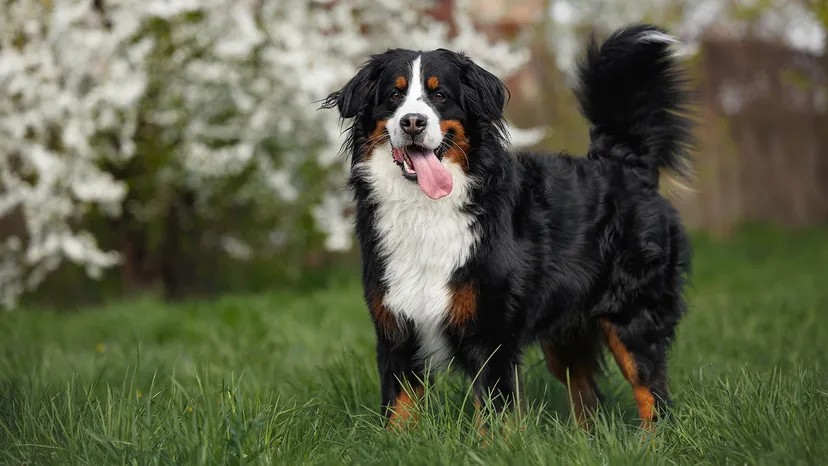
To the uninitiated, they look like oversized stuffed animals with a coat so thick it seems to defy physics. But look closer. Those tri-colored markings aren’t just for show. They’re a legacy of the Swiss Alps, where this breed was forged for survival. Today, that same coat that protected them from sub-zero temperatures serves as a velvet hug for thousands of families who never set foot in a pasture.
From Swiss Carts to Suburban Couches
The story starts in the canton of Bern, Switzerland. Here, the Bernese Mountain Dog, or Berner Sennenhund, wasn’t a luxury pet. It was a necessity.
These dogs were the original workhorses of the dairy industry. Their job description was brutal and varied:
* Pulling carts laden with milk and cheese to market.
* Guarding livestock from predators in steep, unforgiving terrain.
* Chasing away stray cattle that wandered too far.
They were all-purpose workers. If a farm needed heavy lifting or protection, the Berner was the answer. This history explains why they are so sturdy. They weren’t bred for speed or agility; they were bred for endurance and heart.
When the breed was officially recognized by the American Kennel Club (AKC) in 1937, it marked a turning point. Suddenly, these rugged Swiss farmhands had a passport to American living rooms. The transition wasn’t instant, but the Bernese Mountain Dog’s calm demeanor made the leap logical. People didn’t just want a worker. They wanted a friend who looked like a guardian but acted like a child.
Why the Temperament Stays Consistent
What makes the Bernese Mountain Dog stand out in a sea of high-energy breeds? It’s the temperament.
While a Border Collie might try to herd your kids into a corner, the Berner just watches them with deep, soulful eyes. They are famously affectionate. Some owners call them “velcro dogs” because they insist on being within arm’s reach of their humans at all times. This isn’t a bug. It’s a feature.
In the Swiss Alps, being separated from the herd (or the farmer) meant death. That instinct to stay close is hardwired. Today, it translates to a dog that is deeply attuned to its owner’s mood. If you’re sad, the Berner is there. If you’re happy, the Berner is wagging its tail in sync.
This loyalty comes with a caveat. They are sensitive souls. Harsh training methods don’t just fail; they break the bond. These dogs thrive on positive reinforcement and clear, gentle guidance. They aren’t stubborn, but they are thoughtful. They need to understand why they are doing something before they do it.
So, while they may have lost the milk carts, they haven’t lost the work ethic. They still want to
Physical Traits and Grooming
They are built like tanks. Big, heavy, and unmistakably solid. A full-grown Bernese stands tall, with a coat that demands respect. And a lot of upkeep.
The fur is triple-layered. Topcoat, undercoat, and a dense middle layer that keeps them warm in the cold. It’s long, slightly wavy, and comes in that classic tri-color pattern: black base with rust markings on the cheeks and legs, and white on the chest, paws, and tail tip.
Grooming isn’t a suggestion. It’s a necessity.
How often should you brush a Bernese Mountain Dog?
Daily is best. Especially during shedding season. They blow their coat twice a year, dumping pounds of fur onto your furniture, clothes, and soul. A slicker brush works well to pull out the dead undercoat. But don’t skimp on the areas prone to mats: behind the ears, under the legs, and around the tail.
Bathing? Only when they smell. Too much washing strips natural oils. Use a dog-specific shampoo. Rinse thoroughly. Drying takes forever. They’re large dogs with thick fur. If you don’t dry them completely, you risk skin issues. And nobody wants itchy skin.
Nails need trimming every few weeks. Long nails change their gait. Bad for their joints. Ears should be checked weekly for moisture and debris. Eyes? Keep them clean. Wipe away any discharge with a damp cloth.
Dental care is often overlooked. But poor oral health affects their overall well-being. Brush their teeth if you can. Or use dental chews. Regular vet check-ups catch problems early. Especially hip dysplasia and elbow dysplasia, which are common in large breeds.
These dogs love to move. But their size means they can’t always handle intense activity. Short walks. Playtime. Mental stimulation. That’s the sweet spot. Leave them cooped up too long? They get restless. Destructive. And unhappy.
Include them. Let them sleep at the foot of the bed. Join family walks. Give them a job, even if it’s just holding a stuffed animal. They thrive on connection.
Reserve around strangers? Yes. Not aggressive. Just cautious. Let them approach on their terms. Don’t force interaction. A gentle introduction goes a long way.
Early training? Non-negotiable. They’re strong. Pulling on a leash isn’t just annoying—it’s dangerous. Start young. Reward good behavior. Be consistent. They’re eager to please. They just need direction.
Life with a Bernese isn’t low-maintenance. It’s high-investment. Emotionally, physically, and temporally. But for those who make the commitment? The bond is profound. Unbreakable.
The Reality of the Heavy Coat
Those thick double coats aren’t just for show. They are a survival mechanism, evolved to handle biting cold. The black base, punctuated by rust and white markings, looks striking but demands serious maintenance. If you want that glossy look, you need to brush. Regularly. Because beneath that fluff is a dog that sheds year-round, with seasonal blowouts that can turn your living room into a fur tumble dryer.
Grooming isn’t just aesthetic. It’s preventive care. Teeth need trimming. Nails need clipping. Ears need checking for signs of infection. Neglect one, and you’re dealing with preventable pain.
Exercise: Moderate is the Goal
Don’t mistake their size for endurance. Berners aren’t marathon runners. They are built for short bursts, not long distances. Intense heat? That’s dangerous for them. They need moderate, regular walks to keep weight off their joints. Joint health is everything here.
Their lifespan reflects this physical toll. Seven to ten years. That’s short compared to many breeds. It’s a hard statistic to swallow. Responsible breeders try to mitigate this by testing for genetic issues, but the risk remains. The Bernese Mountain Dog Club of America (BMDCA) offers resources on health screening. Use them. Rescue options exist if you can’t commit to a puppy.
Mental Engagement Matters
They are smart. Boredom is their enemy. Positive, consistent training works. Agility, nose work, obedience—any of these outlets keep their minds sharp. They thrive when given a job. Errands. Playing with kids. Guarding the house. They bark to alert, sure. But aggression? Rare. Biting? Almost unheard of in a well-bred, well-socialized dog.
The Commitment
Owning one isn’t casual. It requires patience. Love. A cool climate helps. They crave human interaction. Puppies need early socialization and gentle handling. Do that, and you get a balanced adult.
They lounge. They explore. They protect. They are loyal. If you provide the care, they’ll lay by your side. For as long as they can.