Kim Stanley Robinson, author of the acclaimed Red Mars trilogy, has bluntly dismissed current ambitions to colonize Mars as unrealistic, citing scientific realities that have emerged in the decades since his novels were written. The author argues that while the dream of a self-sustaining Martian colony persists, the practical obstacles have only grown more formidable.
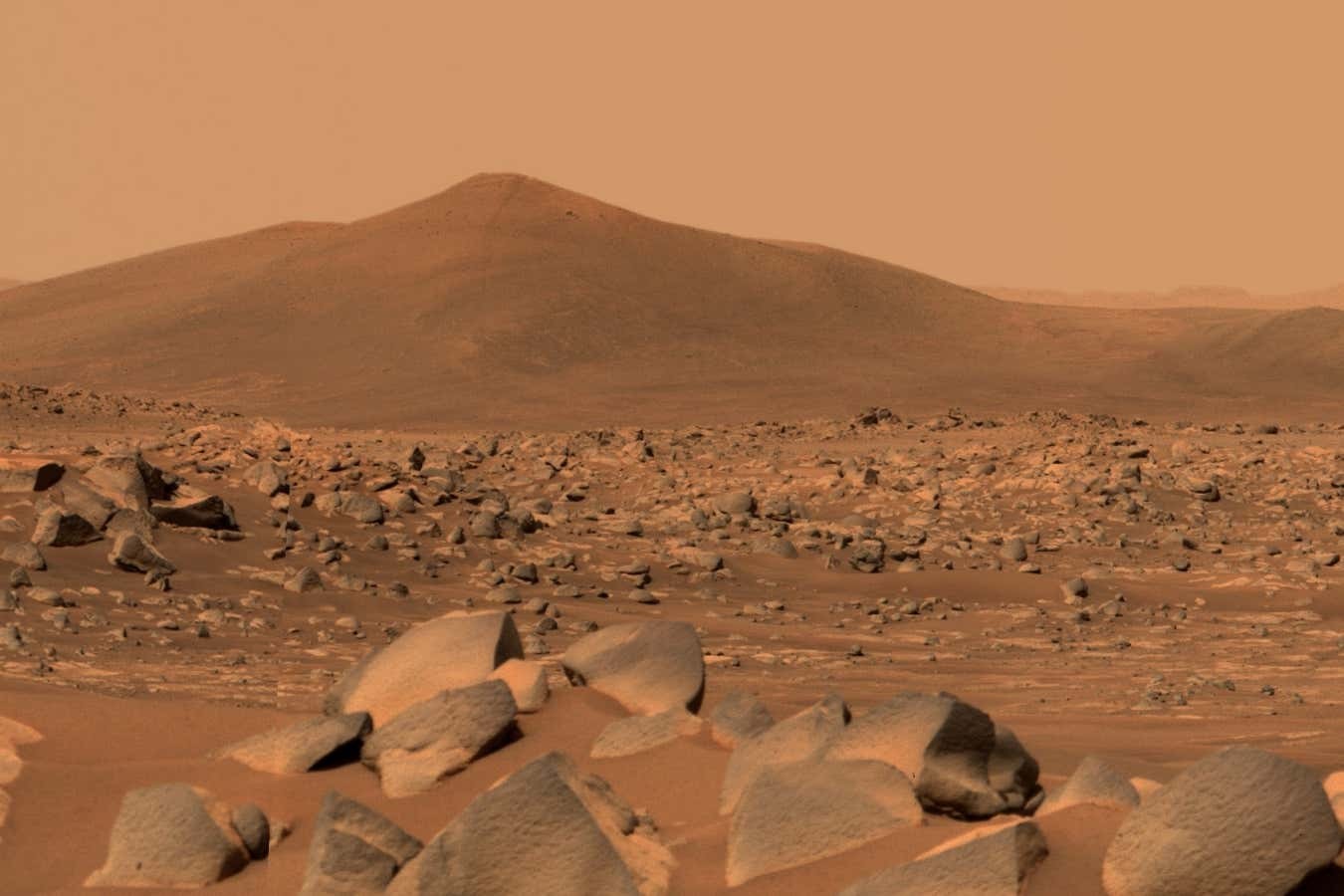
Robinson acknowledges that his own work, written between 1989 and 1991, predicted certain geopolitical trends with surprising accuracy – the decline of US and Russian dominance, the rise of China and India, and the intensification of ecological and economic crises on Earth. However, he stresses that new scientific findings have fundamentally altered the feasibility of Martian settlement. Specifically, the discovery of pervasive perchlorates in Martian soil (toxic to humans even in minute concentrations) and the long-term health consequences of reduced gravity and cosmic radiation pose insurmountable challenges.
The Shift From Science Fiction to Fantasy
Robinson contrasts the optimistic visions of billionaire entrepreneurs with the harsh realities of the Martian environment. “The bold claims made by certain billionaires about how we will soon colonize Mars are simply fantasies,” he states. He proposes a more realistic near-term scenario: establishing scientific outposts on Mars akin to McMurdo Station in Antarctica, with rotating teams of researchers willing to accept health risks for the sake of exploration.
This approach differs drastically from the promise of permanent, self-sufficient settlements. Robinson points out that even with significant advances in technology, the primary barrier to Martian colonization remains the state of Earth itself. “We have to solve the problems we’ve created here before going anywhere off planet will become even slightly relevant,” he insists.
A Novel First, a Prognosis Second
Despite his skepticism regarding immediate colonization, Robinson emphasizes that Red Mars was conceived as a work of fiction, not a technical blueprint. He highlights the enduring appeal of the novel’s characters and narrative, noting that after decades, he was able to re-read it without the urge to revise it. The story’s strength lies in its exploration of human relationships, political conflicts, and the long-term consequences of terraforming – themes that resonate regardless of scientific feasibility.
Ultimately, Robinson maintains a cautious optimism. While he acknowledges that full-scale Martian inhabitation may remain centuries away, he hopes that Earth’s eventual recovery will unlock new possibilities for interplanetary exploration. But for now, he concludes, the notion of humans “migrating” to Mars is “bullshit.” The focus must remain on addressing the existential threats facing humanity on its home planet before setting sights on a distant, and currently inhospitable, frontier.