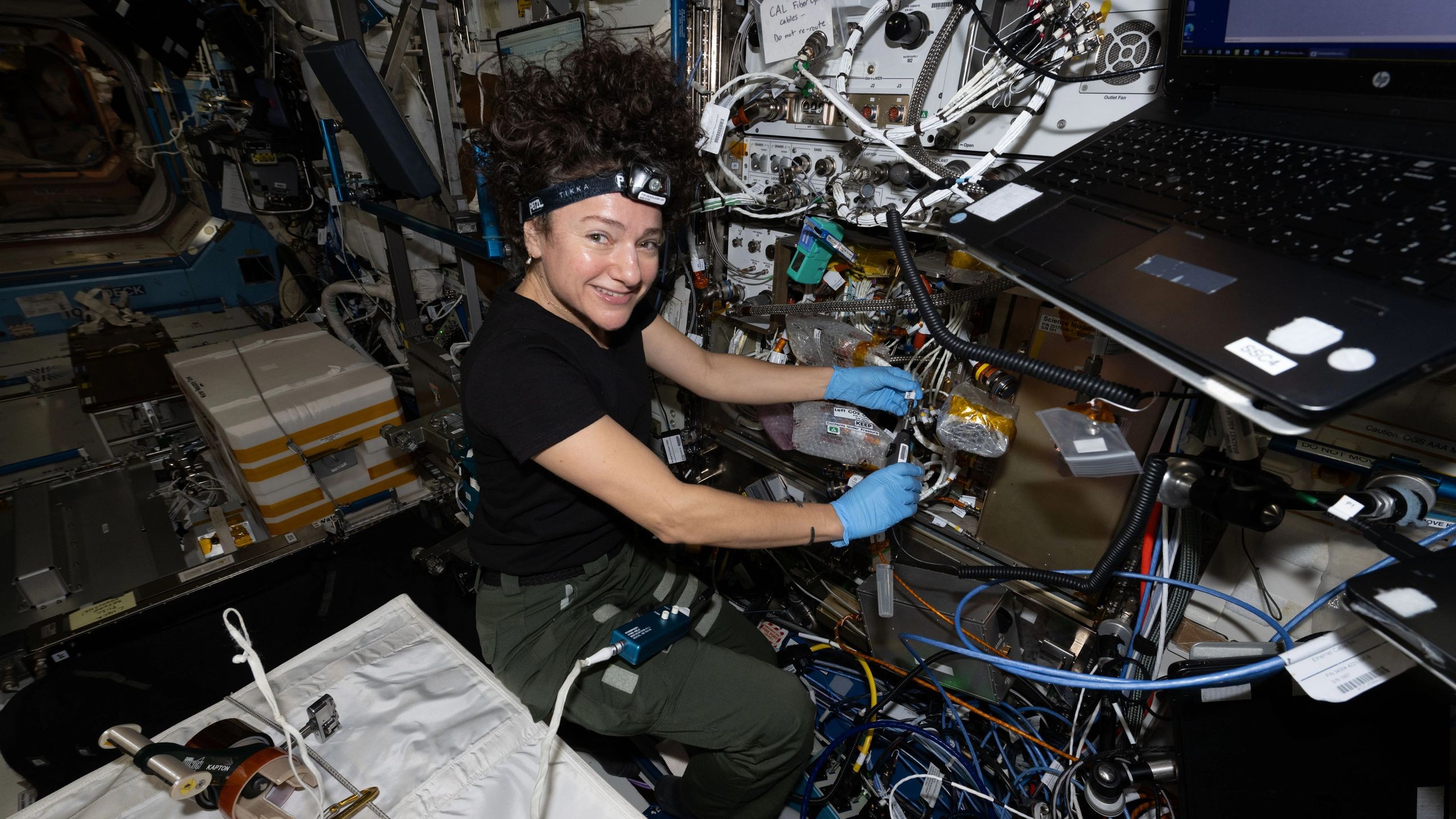
A mini-fridge is floating on the International Space Station. It’s making trouble for reality. Or at least, it’s stretching it thin enough to see what happens when things get cold.
NASA upgraded the Cold Atom Laboratory. This isn’t just a temperature tweak. It’s a new way to watch atoms dance at nearly absolute zero. Minus 459.69 Fahrenheit. The point where motion stops. Or tries to.
The goal is simple but weird. They want to study clouds of ultracold atoms in low gravity. Earth’s pull gets in the way down here. It crushes the delicate quantum effects before anyone can see them. In orbit? They float. They expand. They exist in ways we barely understand.
Matter acts strange here
Jason Williams from JPL calls it drastic. “At the coldest temperatures, matter behaves differently,” he said. Waves take over. Atoms stop acting like little balls. They act like… something else.
It allows for precision measurements. Time. Gravity. Motion.
The lab has tools to probe the nature of the universe. Especially with this latest upgrade.
Think about golf balls. That’s how big atoms are, relatively. If an atom were a golf ball, you’d be the distance from Earth to the Moon. Tiny is an understatement. Trying to measure quantum stuff on Earth is like trying to hear a pin drop at a rock concert. Heat interferes. Gravity messes with it.
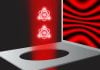
The Cold Atom Lab uses lasers. It cools rubidium and potassium gas. It hits that Bose-Einstein condensate state. One single wave of quantum matter, made of many atoms. It’s the fifth state of matter. Solids. Liquids. Gases. Plasma. And then… this.
This isn’t the first time NASA tweaked this lab. It’s the fourth major update since 2018 arrived in space. This latest round brings a new magnetic trap. Better sources. Sharper eyes on the data.
The payoff for freezing stuff
Upgrades launched in April 2024. Installed. Powered on. Working.
It’s not just curiosity. It’s practical. Sort of. One day, astronauts won’t have GPS on the Moon. No satellites to talk to. They’ll need quantum navigation. High-precision maps of Earth’s gravity could change how we look at the planet.
Ethan Elliott sees history repeating itself. He compares this to the first quantum revolution. That one gave us lasers. Cell phones. MRI machines.
We’re performing Quantum 2.
Direct manipulation of large states. Big waves, not tiny particles. They hope for the same boom in technology. From orbit.
We are scratching the surface of what happens when you take away all the heat and all the gravity. It feels less like engineering now. And more like watching magic tricks performed by math.
The fridge keeps humming. The atoms keep wavering. Nobody really knows where it leads, except forward, into the cold dark, seeing what shakes loose when the universe finally holds its breath.