They found people. Inside a stone jar.
Archaeologists dug into Laos. Pulled out a massive vessel. It held the remains of 37 individuals.
These bodies didn’t arrive at once. They were deposited over 27 years. Or perhaps generations. The timeline is rough, spanning centuries.
Nicholas Skopal from James Cook University has a theory. He says the jars likely belonged to specific families. Extended kin.
“The number of individuals also suggests the jars was owned by family or extended family group.”
They used these vessels for ancestral rites. Generations performed ceremonies right there. Grim hospitality, if you will.
Handwriting Gives Away Your Mind
Check your handwriting.
Is it getting messy? Slow?
That’s not just laziness. It might be your brain failing.
A new study looks at stroke organization. The way you plan and execute a mark on paper. It’s tied to executive control. Working memory.
Ana Rita Matias, a kinesiologist, breaks it down. She says cognitive systems degrade. Writing becomes fragmented. Uncoordinated.
It’s a signal. A quiet one. But a signal nonetheless.
“Timing and stroke organization are closely linked.”
When those systems go, so does the flow.
Potato Eaters Evolved New Genes
People in the Peruvian Andes have a superpower. Well. Sort of.
They digest potato starch better than you do.
Genetic analysis shows a specific adaptation. More copies of a certain gene. It helps break down potatoes.
Why did this happen? Domestication.
People started farming potatoes 10,00 years ago. The gene copy number rose. The diet changed. The body followed.
Evolution isn’t just about big brains. It’s about lunch.
Whales Know They’re Whales
We thought humans were the only ones with mirrors like that. Wrong.
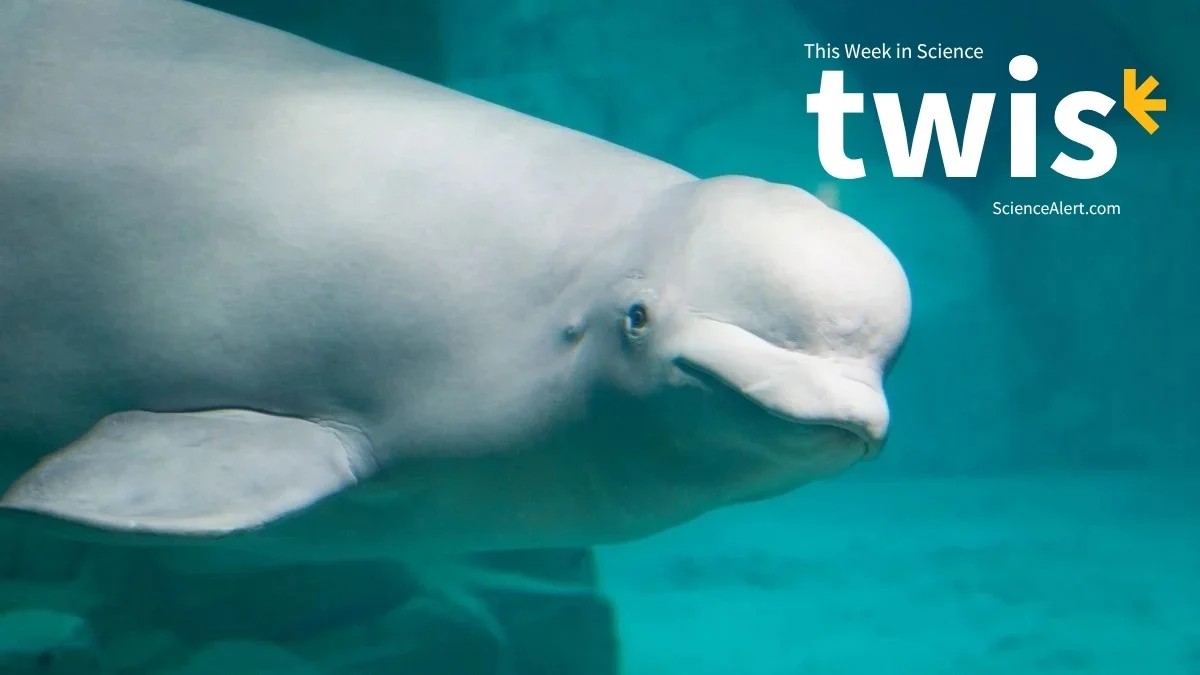
A beluga whale named Natasha passed the mark test. She looked in the mirror. Saw a mark behind her right ear.
She didn’t swim away. She didn’t bark at a rival.
She oriented herself to see the mark. She exhibited self-directed behavior. Touching the spot. Checking the reflection.
It’s self-recognition. A club with very few members. Now the list just got longer.
Fake Wings Rewire Real Brains
Scientists put wings on people. In VR, of course.
The brains didn’t laugh. They accepted the change.
Pattern shifts occurred. The mind processed the wings as actual limbs. Plasticity. That’s the key word here. The brain is flexible enough to adopt new appendages.
Could this help paralyzed patients operate robotic limbs? Maybe. If we can teach the brain to trust the lie, we can adapt the body to new movements.
A useful illusion. Or just a useful trick. Who knows?
The Right Hand Dominates Again
Look around.
Ninety percent of you are writing with the right hand. Using it to scroll. To type. To hold coffee.
It’s not random.
Scientists traced this preference back to our ancestors. Walking on two legs helped. A bigger brain didn’t hurt either.
But here is the kicker. It wasn’t just Homo sapiens. Neanderthals liked the right side too.
Go further back in the tree? The preference gets weaker. The farther you move from us, the more ambidextrous the ape ancestors seem.
We are locked into the right side. For now.