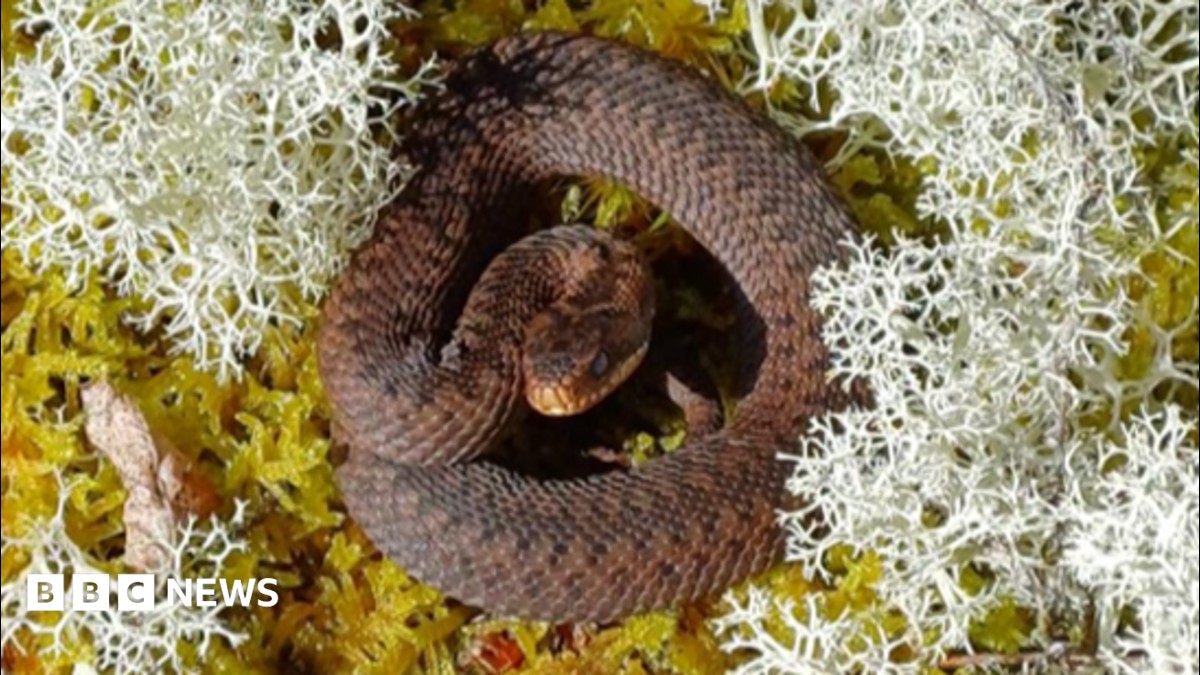
The adders need a hand.
So do the slow worms.
And the common lizards, too. They aren’t exactly popular guests at garden parties, but they are essential pieces of the ecosystem puzzle right here at Longbridge Muir. Near Dumfries. A peatland restoration project is kicking into gear, and the crew isn’t just digging up mud.
They’re building shelters.
Known as hibernacula, these little havens are stuffed with peat, tree brash, and wood debris. It’s all about giving the reptiles somewhere safe to hide through the cold winter months. There are also corrugated metal sheets scattered around, creating warm microhabitats. Easy to spot. Easy to study without causing a scene.
Forestry and Land Scotland handles this site.
It sits roughly three miles southeast of Dumfries, covering a sprawling 1,255 acres. This isn’t random territory either. Longbridge Muir is a remnant of the historic Lochar Moss complex. It holds a Site of Special Scientific Interest status. The raised bog here? Internationally important.
“Work is being carried out in phases over 3 years… Key refuge areas such as dry south-facing bog edges… are being retained and protected.”
George Hemstock, a peatland restoration officer, put it plainly. The goal isn’t to speed through. It is to move slowly enough that the wildlife can adjust. They keep the dry, south-facing edges intact. Those spots are prime hibernation real estate for reptiles. Strip those away and the project fails.
Slow worms were spotted too, though exact population numbers remain a mystery. That lack of data doesn’t stop them from taking care. The area belongs to the wider Solway Mosses North. Almost 1,600 hectares of protected bogland. One of the most significant lowland systems in all of Europe.
Reptiles move at their own pace.
Maybe it’s time humans did the same. 🐢