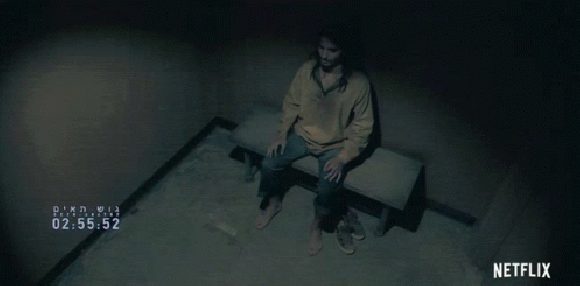
Why #Netflix’s “Messiah” became a political phenomenon
The show debuted on Netflix on January 1, 2020 and became an instant hit. Even before the end credits of the first season, Messiah had already taken its place in the cultural discussion. This is not just a scripted drama. It was a lightning rod. The program quickly climbed the charts and became one of the most watched series on the platform. Surprisingly, it lives up to the hype.
Mehdi Dehbi is at the center of this storm. Dehbi is a Moroccan-Belgian actor who plays a mysterious character who claims to be a Messiah. But this shepherd is not a kind shepherd. He’s volatile. He’s political. He’s dangerous.
Dehbi is supported by a cast anchor the surreal environment to reality. Michelle Monaghan plays Eva Geller, a journalist whose career is in jeopardy. John Ortiz plays Felix, a high-ranking security officer in charge of tracking the stranger down. The dynamic relationship between them creates tension. This is not just a matter of faith. It’s about power. And control.
The Political Weight Behind the Divine Claim
メサイア を際立たせているのは、宗教的な側面だけではありません。 これは、精神性と政治の交差点をどれほど痛烈に分析しているかです。 この番組は、中東の厄介で複雑な現実を避けません。 救世主のイメージを使って、信仰がどのように武器化されるかを探ります。
マイケル・ペトローニ監督は心理戦にカメラを集中させている。 どのシーンも重く感じます。 政治的陰謀が背景ではない。 それがプロットです。 この劇は、誰が神の代弁者になることができるのかという、いくつかの厄介な問題を提起しています。 混乱が起こったときに誰が得をするのか。
もちろん、聴衆の意見は分かれた。 ペースが遅いと感じる人もいます。 他の人はそれが強すぎると考えました。 しかし、明らかなことが 1 つあります。メシア は注意を必要としているということです。 それは視聴者に、宗教、メディア、外交政策に関する自分自身の偏見と対峙することを強います。
Why People Are Still Talking About It
如果您想知道为什么Messiah 多年后仍然是讨论的话题,那是因为它拒绝提供简单的答案。 该剧没有告诉你谁是Messiah。 它不会告诉你他是否真实。 它只是向您展示了后果。
表演锚定了这种模糊性。 Dehbi的描绘是令人激动的。 眨眼间,他就从魅力十足的领导者转变为不稳定的威胁。 Monaghan给Eva带来了一种令人厌倦的现实主义,让观众质疑她的一举一动。 她在调查真相吗? 或者只是想保住她的工作?
该剧的优点在于它拒绝说教。 它呈现的场景没有说教,让观众决定他们相信什么。
这种模糊性正是该系列作品成功的原因。 这不是神学论文。 这是一部披着宗教外衣的政治惊悚片。 这是关于当一个人声称自己是上帝时会发生什么——而世界决定倾听。
Where to start watching
For new users of the show, the first season is available on Netflix. Although this is a separate arc, the larger mystery remains. If you’re looking for a similar show that combines political intrigue and moral complexity, this is a good place to start.
The chemistry between the actors holds the entire series together. Even if it turns into a conspiracy, a human element

『メサイア』: Why Netflix’s Controversial Series Hit Hard in 2020
Netflix has a tendency to drop projects that are impossible to ignore, and Messiah fits that category. The show, which first aired on January 1, 2020, touched on the nerve-ending concept of millions of viewers. It was about what would happen if the promised return of the Mahdi, a central figure in Islamic eschatology and a prominent figure in Christianity and Judaism, were to occur in modern America.
The show didn’t just tease this idea, it built an entire narrative around. It builds the entire story around global expectations of the character’s appearance. The show combines the mechanics of religious theology and political thrillers to create a unique viewing experience that resonates deeply with viewers looking for something different from their usual streaming offerings.
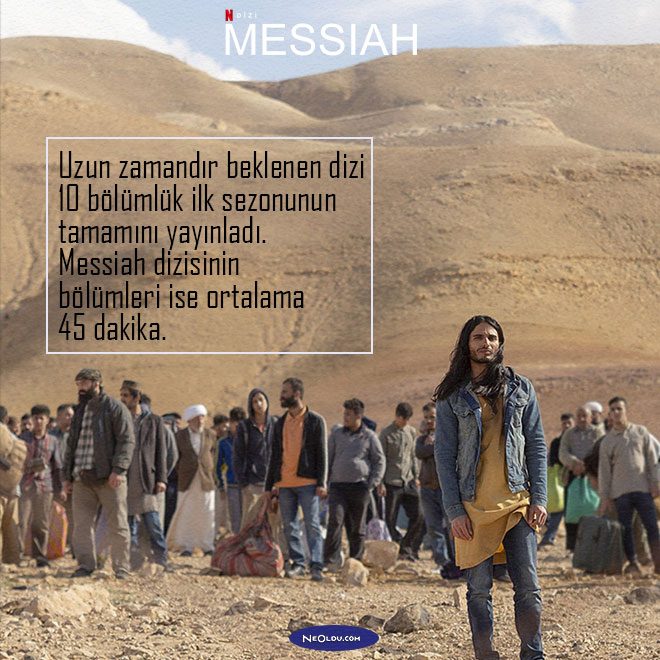
Season 1 airs in its entirety on New Year’s Day, and each episode is approximately 45 minutes long. This pace allows the tension to breathe and gives the story room to develop complex relationships between the main character, the government agency that is after him, and the various groups of followers that claim him.
Early reception speaks for itself. The first 10 episodes exceeded expectations and set the bar high for the rest of the season. It’s not just a spectacle or the mystery. It’s about how this show handles weight of faith and the chaos of belief in a secular world. Messiah isn’t just one of Netflix’s most successful titles; It has carved a niche for itself by asking questions that most mainstream television has avoided.
しこょショーショーはしまする現れまたします。 Completely changing 前から、2020’s 文化的天天にその痕跡を拍します。 The sheer audacity of the premise and the complex mix of lies, truth and devotion captivate viewers throughout the season. This remains a case study in how religious themes can be explored through the lens of modern pop culture without losing their gravity.
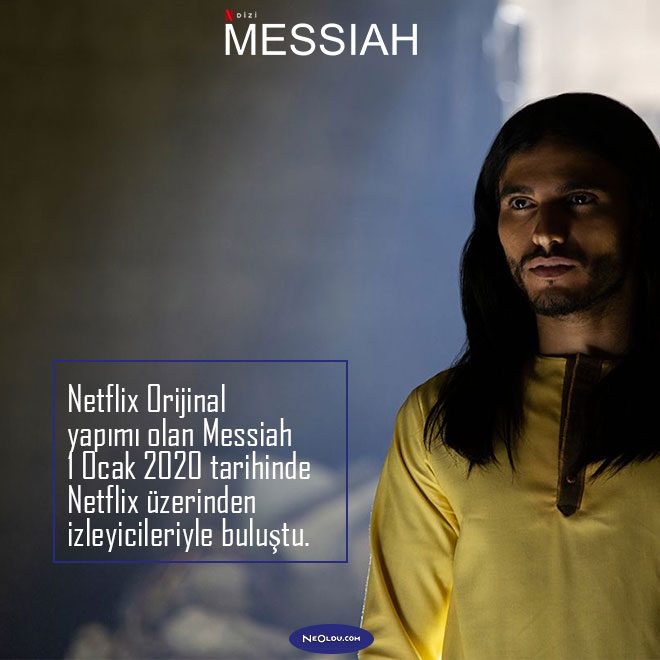

“Mehdi” series controversy and religious backlash
Tensions are rising around the drama series “Mehdi”, which has become a lightning rod for discussion. The show deals with serious, real-life political unrest and socio-political events and attracts viewers from Mehdi’s belief systems. But not everyone is watching with open arms.
Some extremist religious groups have launched a campaign demanding that the program be taken off the air. Their argument? The series misleads people and distorts religious teachings. They argue that portraying these events on screen crosses the line and turns sacred narratives into entertainment.
However, there is one glaring reality that many overlook: “Mehdi” is completely fictitious.
Despite claims that it distorts belief, the script is a creative invention. The show uses the chaos of real life as a background, but the characters and stories are fictional. The excitement comes from mixing scripted drama with religious doctrine.
“The drama uses political unrest in the background, but it is not a religious text.”
The audience is divided. Some see it as a daring exploration in the modern age of faith. Others see this as a violation of tradition. The debate highlights the growing conflict between pop culture and traditional religious interpretation.
As the series continues, the question remains: Can fiction ever truly be freed from the burden of religion? Or will the backlash only deepen the gap? The answer is not clear, but the debate is far from over.
Strong actors and attention-grabbing names
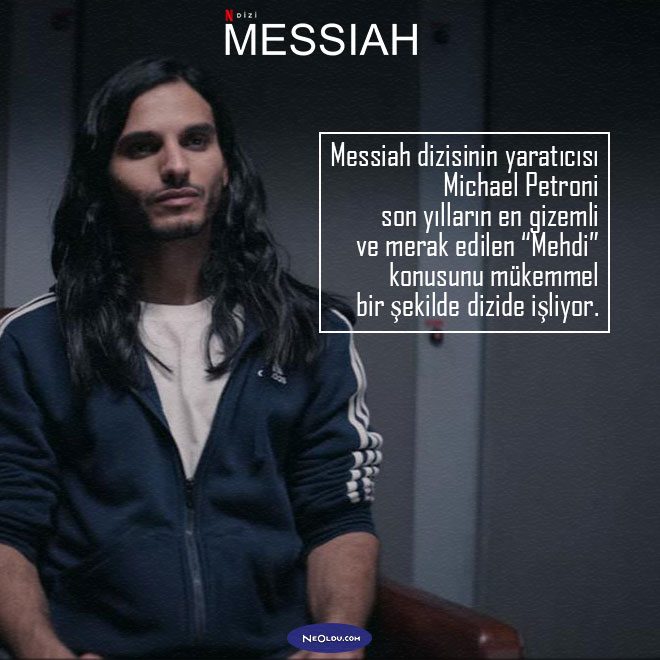
Michael Petroni is not just a familiar name from several hit movies. He wrote the screenplays for The Chronicles of Narnia, The Rite and Death Train. Now He is the Creator behind the Messiah. It’s a transition from feature films to the small screen, but the pedigree is there.
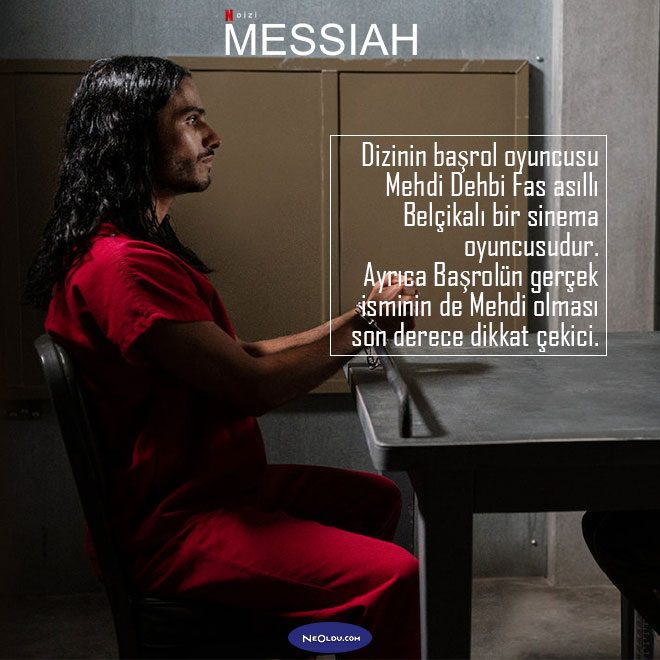
Starring Mehdi Dehbi. He is a Belgian actor of Moroccan background. The name of his character – Mehdi – is not accidental. This is important. In Islamic eschatology, the Mahdi is a savior figure. The naming of the main character Mehdi sets a heavy expectation. It suggests a story of faith, power and who plays God.
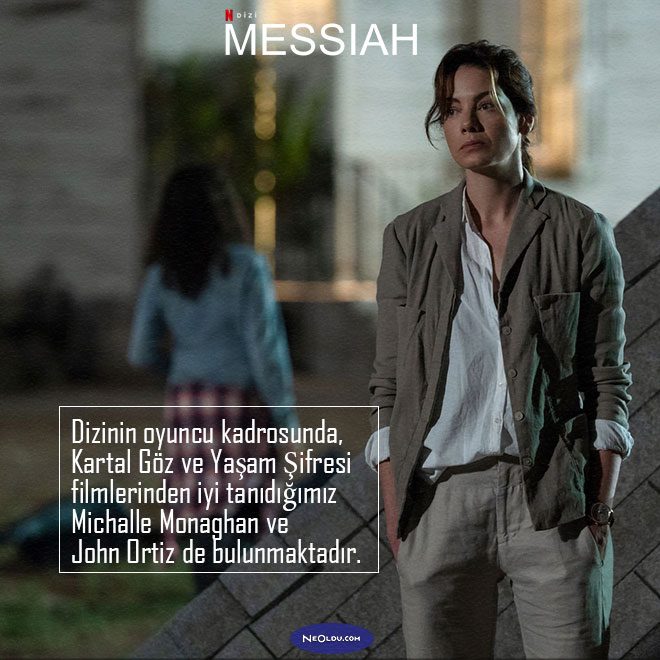
And Michelle Monaghan. You might know her from Mission: Impossible III, Source Code or Eye in the Sky. Here she plays a CIA agent. She’s the grounding wire in a story that’s in danger of short-circuiting. Her performance is sharp. She’s not just a prop. she’s trying to make sense of chaos.
Casting works. You can feel the weight of the actors’ roles. It’s not just about looking good on camera. It’s about presence. Dehbi carries a quiet intensity. Monaghan brings a tired but punchy energy that keeps the thriller story moving forward. They balance each other. One is a mystery. The other is the investigation.
Does the name Mehdi overshadow the performance? perhaps. But it also invites the viewer to take a closer look. Ask what they see. That’s the point, right? Sit in that discomfort.
Is the Messiah the one we are waiting for?
What is Messiah actually telling viewers? Has the promised Messiah come?
The Netflix original series focuses on the Mahdi, a figure portrayed as the ultimate savior destined for salvation by all three Abrahamic religions. In the play, the characters see their sacred mission as helping people and conveying God’s commands, regardless of religion, language or race.
He first rose to prominence in the chaos of the Middle East conflict, orchestrating the survival of thousands of people who would otherwise have died.
The CIA’s new eyes on the Antichrist
It wasn’t just the general public that flocked to Mehdi’s side. That rally, the frenzy, the sheer earnestness of his appeal—it caught the attention of every major intelligence agency. But the Central Intelligence Agency wasn’t just watching from behind the scenes. They needed answers. They needed to know who Al-Masih really was, what his ultimate goal was, and exactly how he was guiding millions of people towards the dark horizon he was pursuing.
That burden fell to Eva Geller (Michelle Monaghan). As a dedicated agent, her mission was clear: to investigate the man behind the movement. She wasn’t just tracking the cult leader. She was hunting for the root of global change. How did he do it? Why did people leave everything behind? Her job was to strip away his charisma and reveal the machinery beneath.
Mahdi’s appeal in modern storytelling
The narrative architecture here is what gives the show its mystique. It’s not just a plot device; It’s a psychological trap. Setting the scene in a near-future landscape, the series taps into a very human fear: uncertainty. The writers understood something essential about mass hysteria. People don’t just want to believe in a savior. They need to.
This is the core tension that ensures that Dramas or similar theological thrillers in the style of “The Promise” (Muhteşem Yüzyıl: Hürrem) resonate so much today. It tells about the seduction of certainty in a chaotic world. The show assumes that the salvation of mankind depends on the arrival of the Mahdi. And it sells this idea frighteningly effectively.
Viewers don’t just see the character’s development arc. You observe the proof of concept of belief under pressure. The script is not asking you to agree with the theology. It asks you to understand the mechanics of belief. How does a group of rational people give up their freedom of choice?
Why narration works
The genius lies in the pacing. It doesn’t shove the revelation at you. It drips in. Like poison. Or a cure. The ambiguity is intentional. It mirrors the real-life debate surrounding end-time prophecies, making the fiction feel uncomfortably close to reality.
This approach answers a specific question many fans ask: How does the show balance historical religious figures with fictional futuristic settings? The answer is to focus on the character’s impact, not just the character itself. The Mahdi becomes a mirror. The audience projects their own fears onto him.
The result is a viewing experience that feels less like entertainment and more like an interrogation of your own worldview. It’s gripping. It’s disturbing. And that’s why the show has secured its place among the most talked about productions of recent years.
The ending leaves more questions than answers. That’s probably the point.
The enigmatic presence of Mehdi Dehbi steals the scene
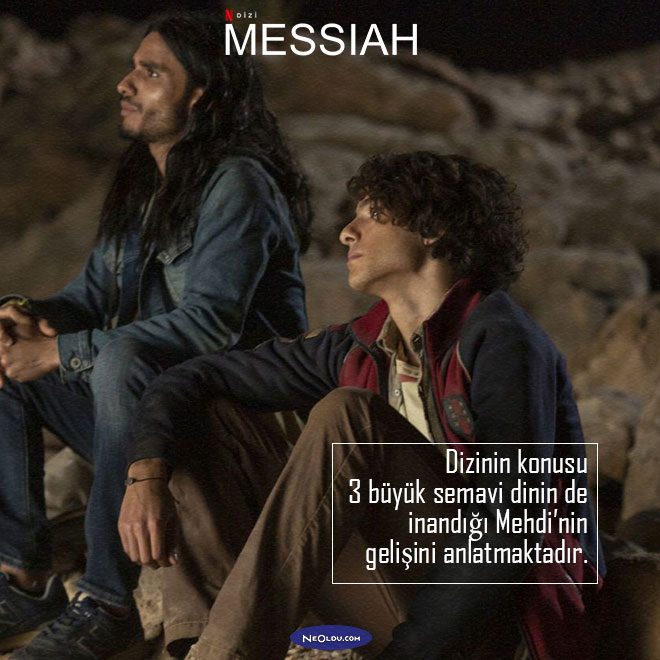
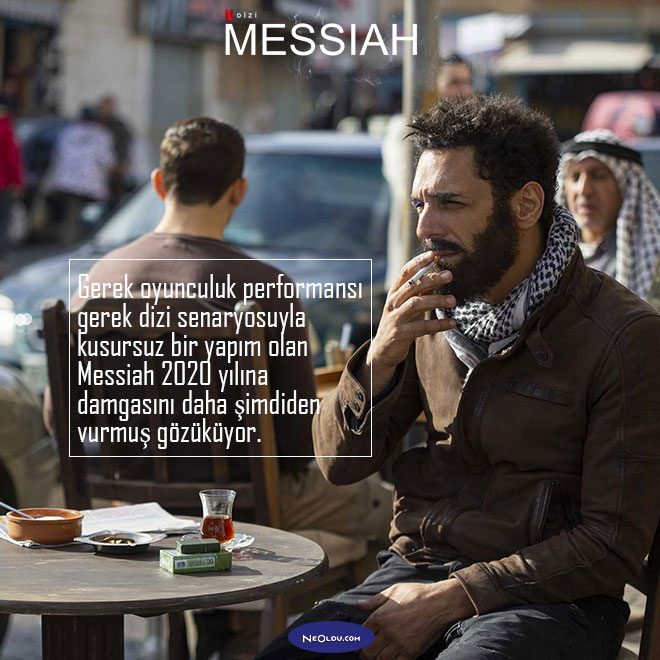
Michelle Monaghan gave a standout performance that garnered a lot of attention, but Mehdi Dehbi’s character really dominates the screen. His enigmatic demeanor and sharp, engaging dialogue bring his role into the spotlight and give him an almost electric touch.
The man they called a miracle
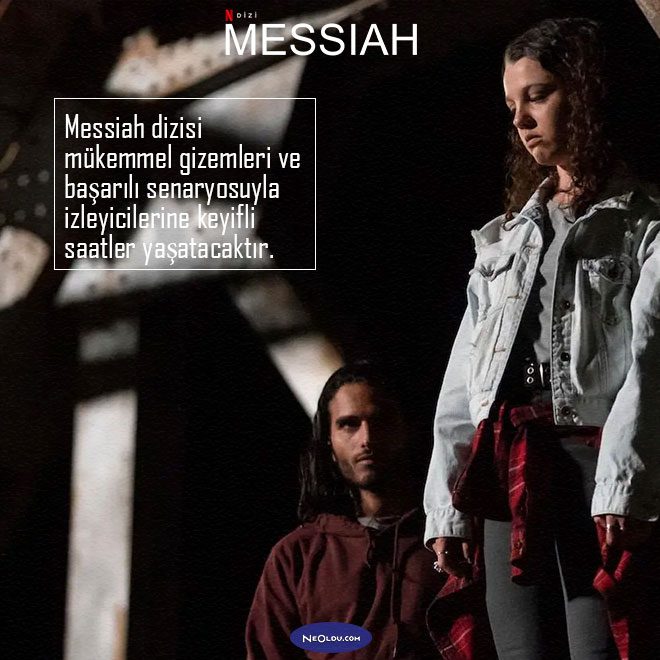
The CIA does not look kindly on the Messiah. He is not the savior of the agency. He is a security threat. His existence is considered dangerous – a collection of fleeting thoughts and unpredictable actions that cause problems for national stability. So they do what they do best. They take him in.
He goes through the wringer. Interrogations. Questioning. The purpose of the comprehensive treatment was to break people down and extract whatever information his “dangerous” mind might contain. The system expects compliance. It expects fear.
It doesn’t expect a miracle.
Despite the handcuffs and concrete walls, the public doesn’t see a prisoner. You see the Messiah intervening at the last possible second. Saving lives when the clock strikes zero. Bringing people out of the fire, literally and figuratively.
The story turns overnight.
From threat to icon. The nickname stuck. People no longer ask about his origins or motives. They just call him what he looks like: The Miracle Man.
“He’s not a suspect. He’s the answer we didn’t know we needed.”
It is dangerous to play with the perception of the government. The CIA sees chaos. The streets see hope. And Messiah just stands in the middle and wonders which side will blink first.

Why Messiah stands out from modern television
The series “Messiah” has undoubtedly secured its place among the best television shows of recent years. The series has been given high marks by both critics and audiences, largely due to the captivating dynamics between the characters and its mystery.
“Gerek ikili diyalogları gerek gizemli konusuyla öne çıkan dizi izleyicilerinden de tam not almayı başardı.”
What works so well is the tension. The interaction between two people aren’t just filler; they drive the narrative forward. Together with the mysterious plot, it fascinates the viewer. It’s rare for a series to balance dialogue and mystery so well, but Messiah does.
Why “Messiah” quickly gained viewers
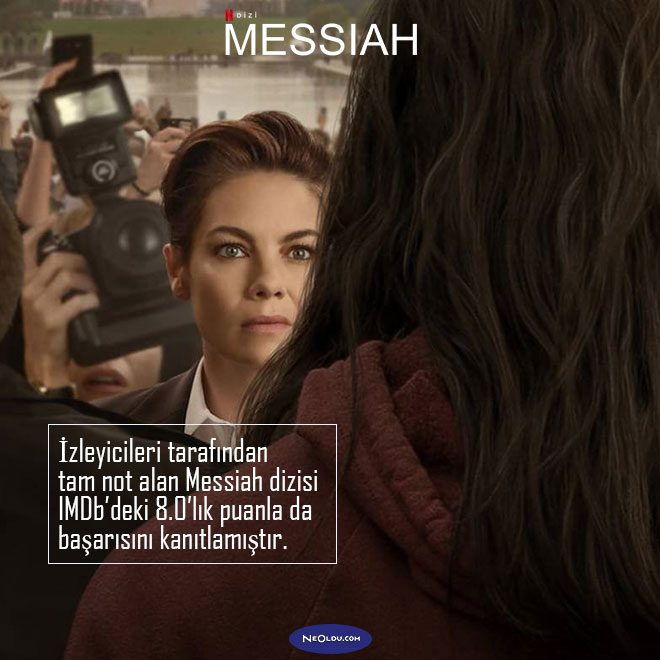
It didn’t take long for the political thriller Messiah to find its footing. Even before the second season aired, the series had built a loyal fan base. The numbers don’t lie. It’s rated 8.0/10 on IMDb, which shows real quality and not just hype.
But how did a series that started with disagreement quickly achieve cult popularity? The answer lies in its willingness to sit in the uncomfortable middle. This is not your typical spy drama, nor is it just a religious documentary. It’s a disturbing and complex look at the media’s hunger for miracles, power and miracles.
“The beauty of this play is that it doesn’t give the audience a simple answer to who the Messiah really is.”
The first season’s ability to capture viewers from the first episode is evident in its pace and character development. Although the reviews were initially mixed, the audience reaction was overwhelmingly positive. People were talking about it. Sharing it. Debating it. This natural buzz is hard to create.
The IMDb 8.0 rating is more than just a number. This is a testament to the performances of the cast, especially Joel Kinnaman’s solid portrayal of a CIA agent trying to understand the impossible. It’s also a nod to visual storytelling, which often feels more like a suspenseful political drama than a paranormal mystery.
Fans appreciate that the show doesn’t try to convert fans to any particular ideology. Rather, it is a mirror of our own doubts and beliefs. In an age of polarized content, this nuance is refreshing. The show asks big questions without offering clear solutions. And is there such ambiguity? It brings people back.
Its rapid rise in popularity shows that viewers are looking for stories that not only entertain, but also challenge. Messiah is useful in this regard. Of course, there are also flaws. But it’s also compelling enough to keep you interested across seasons. That’s a rarity in today’s saturated streaming market.
The buzz around Netflix original series Messiah isn’t just hype. It’s a genuine pull. Viewers are glued to the screen. One episode ends, and before you can blink, you’re starting the next. It’s that kind of magnetic storytelling.
People are talking about the ambiguity. Is he the Messiah? Or is he something else? The show thrives in that gray area. It leaves you questioning reality. That uncertainty is its greatest strength.
The Psychological Hook of Messiah
Why does Messiah work so well? It’s not just about the mystery. It’s about the human condition. One viewer put it perfectly: the series exposes how societal dynamics can be manipulated by exploiting inner voids.
It’s not just herd mentality. It’s deeper. People are searching for answers to fill a spiritual or emotional emptiness. When a charismatic figure offers those answers, the pull is powerful. The show doesn’t preach. It observes. It shows how easily belief can be weaponized.
You don’t need to be religious to appreciate this. Atheist, believer, agnostic—it doesn’t matter. The show’s aura is undeniable. Once you start, you can’t stop. It’s an addictive experience.
Mehdi Dehbi as Simon / Isa
At the center of this storm is Mehdi Dehbi. He plays the enigmatic figure known as Simon, or Isa. His performance is the anchor. Without his grounded, intense portrayal, the high-concept thriller would float away.
Dehbi brings a quiet intensity. He doesn’t shout. He doesn’t need to. His presence commands attention. He walks through crowds, and people look. Not because he’s flashy, but because there’s something unsettling about him. Something magnetic.
His character is a mirror. He reflects what people want to see. A savior? A fraud? A political pawn? The show lets you decide. But Dehbi makes sure you’re watching closely.
Supporting Cast and Dynamics
The ensemble cast adds layers to the narrative. It’s not just about the Messiah figure. It’s about how institutions react. Intelligence agencies, religious groups, families—they all intersect.
The tension comes from these collisions. How do you stop someone who claims divine authority? How do you investigate a prophet without validating his claims? The characters navigate this minefield with varying degrees of success. Some are skeptical. Some are devout. Some are just trying to survive.
This complexity is what keeps the show gripping. It’s not a simple good-vs-evil story. It’s a nuanced look at power, belief, and fear.
Who Should Watch Messiah?
If you enjoy shows that challenge your perspective, this is for you. Messiah is not for everyone. It’s slow-burn in parts. It demands attention. But for those who engage, the payoff is significant.
It raises questions about faith in a secular world. About leadership in a polarized society. About the hunger for meaning. These themes resonate long after the credits roll.
The show doesn’t provide easy answers. Maybe it shouldn’t. The mystery is the point. And that mystery is delivered with style, suspense, and a compelling central performance.
So, is it worth your time? The viewers say
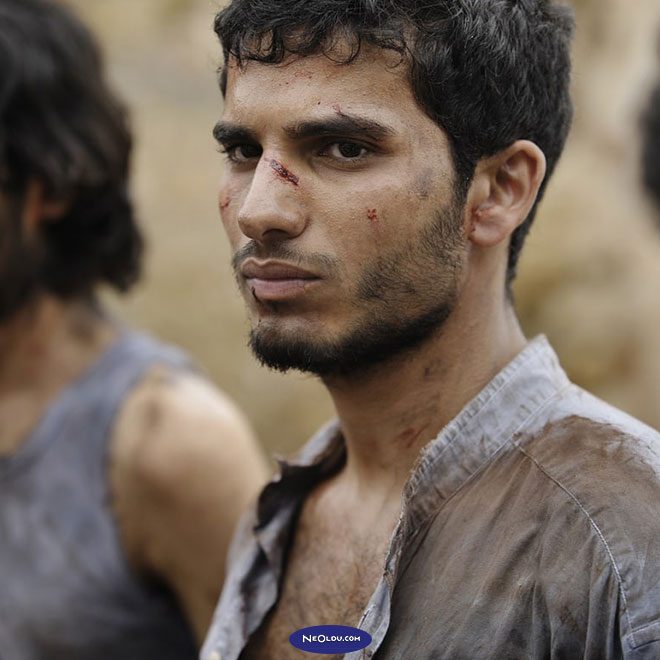
「メサイア」が消える前、メディ・デビは有名ではなかった。 彼は業界の影で活動し、スポットライトから離れています。 その後、プロデューサーは大きな方針転換をしました。 彼らは未知のものをキャストしました。 ギャンブルです。 彼らはデビに救世主としての主役を与え、歴史の重みを背負う彼の能力にすべてを賭けた。
そのギャンブルは功を奏した。
デビのパフォーマンスは注目を集めただけではありません。 それは彼の世界への到着を発表しました。 彼はキャラクターの謎を完璧に捉えました。 この役には一定のエネルギーが必要です – 静かで、激しく、ほとんど不安を感じさせます。 デビが配信されました。 批評家も観客も同様に注目した。 これは、一度ヒットした後に無名になった映画スターではありません。 これが第一線でのキャリアの始まりです。
キャラクター自体も魅力的です。 セム族の伝統では、彼はマフディ、つまり救世主です。 アブラハムの信仰では、彼はメシアです。 劇では彼を、終わりの日に神から遣わされた待望の救い主として描いています。 デビがこのイメージを体現するのを見ると、奇妙で強力な融合が生まれます。 人間と神話がひとつに融合する。 これは単なる演技ではありません。これは化身です。 彼は手袋「そのもの」なので、この役割は手袋のように彼にぴったりです。
Michelle Monaghan – Eva Geller
And then there’s Eva Geller. Played by Michelle Monaghan, she is the anchor. Darby plays God and Monaghan the detective. She is Eva Geller, a CIA agent tasked with tracking down a man who may or may not be the second coming of Christ.
Monaghan brings a down-to-earthness to the role. He is not here to preach. He came here to investigate. His characters operate in the gray area where belief and knowledge gathering meet. He questions everything. Is that him? Are you a plagiarist? Is this a political stunt? Her skepticism adds the necessary friction to Darby’s quiet confidence.
The dynamic between the two is the driving force behind the show. The Derby Messiah is calm and confident, but often insecure. Monaghan’s Geller is crazy, analytical and always one step behind. One represents faith. The second represents evidence. Neither side fully understands the other. This tension drives the story.
Viewers often ask which performance is better. The answer depends on what you want. If you want a mystery, watch Dehbi. If you want big stakes, check out ‘Monaghan’. Together, they create momentum that drives the story. Geller’s journey is about uncovering the truth, even if it challenges her worldview. Darby’s journey is one of self-discovery despite the world trying to hold her back.
This show doesn’t let them compromise their core being. Geller was skeptical until he saw it for himself. The Messiah remains a mystery until he is forced to act. This is a chess game between modern Washington and ancient Jerusalem.
“The best thrillers don’t just ask, “Who did it?” They ask, “What happens when the impossible becomes true? ” he asks. ”
Monaghan’s role also highlights the out-of-control bureaucracy it seeks to control. The CIA didn’t know what to do with the holy figure. They are dealing with terrorists, not rescuers. This creates a unique conflict.
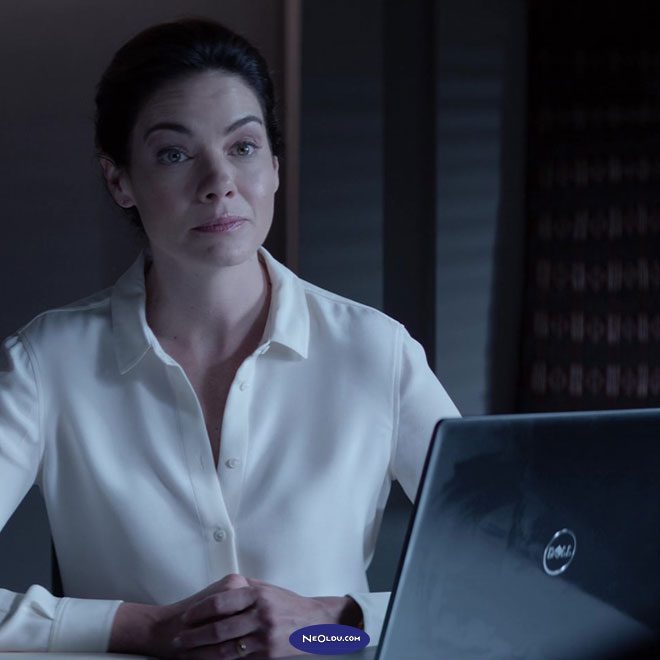
Whether she’s dodging explosions in Mission: Impossible or playing a sharp-eyed agent in Kart Göz, Michelle Monaghan has always been a force to be reckoned with. But it was her role as Eva Geller in Messiah that cemented her status as a drama heavyweight. If you were wondering which actress could carry the emotional weight of that role, she was one of the few names on the list.
Eva Geller’s character is not easy. It’s not just a plot device; She is a woman caught in the crosshairs of faith, family and terror. Monaghan had to switch back and forth between cold, calculated intensity and raw, heartbreaking vulnerability. And she did it without breaking a sweat.
“Monaghan didn’t just play the part; she lived the tension.”
What makes her performance stand out is the duality. On the other hand, Eva is a high-ranking security advisor. He is serious, focused and ready to pull the trigger. On the one hand, she’s a mother trying to keep her family from falling apart when the world burns. Monaghan balances these two extremes with a precision that is almost disconcerting. She doesn’t lean too hard into the drama. He lets the silence speak as loudly as the dialogue.
Fans of her earlier work Shooter or Chloe might not have expected such gritty realism. But Messiah required something different. It needed someone who could look dead-eyed into the camera and make you believe the character was holding back a scream. Monaghan delivered that look in spades.
Is it her most iconic role? Maybe not for the general public. But for those who appreciate nuanced acting, it’s a masterclass in restraint. He didn’t need to shout to be heard. Her presence was enough. And in a show full of loud political statements and religious fervor, her quiet intensity was the anchor that kept the story grounded.