The eastern and western Cleddau rivers are struggling. They are arguably the poorest performing protected waterways in Wales. Environment watchdog Natural Resources Wales has flagged them as failing. Why? Nutrient overload. Specifically, phosphorus.
A new study changes the narrative. It suggests a fix. And it involves saving money.
Farmers in Pembrokeshire hold the key to cleaning up this mess. In fact, they could do it while cutting costs. This isn’t just theory. It’s data. And the numbers are stark.
The Cleddau Nutrient Imbalance
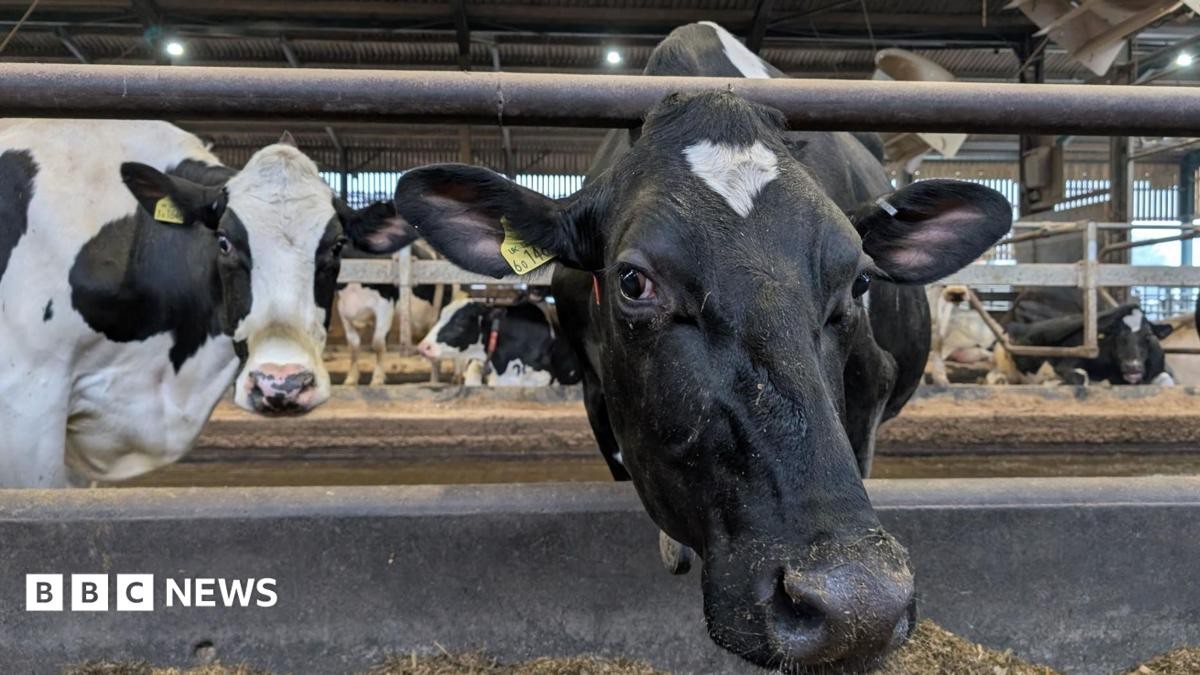
Pembrokeshire is a dairy powerhouse. The farms here produce up to 25% of Wales’ milk. High density of cows. High output. But the soil is choking.
Lancaster University’s RePhoKUs team dug into the data. They tracked every bit of phosphorus entering the catchment. They looked at fertiliser. Processed feed. Animal manure. Then they tracked what left: milk, cheese, meat.
The gap is huge.
Farms are importing way more phosphorus than they remove. The surplus? Approximately 360 tonnes annually. That’s the weight of 26 double-decker piles on the land. It doesn’t just sit there. It leaches. It runs off into the rivers. It can pollute waterways for decades.
Ric Cooper of The Cleddau Project puts it plainly:
“We have one of the highest densities of dairy cows… we also have a river that’s not coping.”
The river is designated a special area of conservation (SAC). It’s failing. Algae blooms are starving fish of oxygen. The ecological risk is severe enough to halt housing developments. Campaigners call it a disaster waiting to happen.
How Farmers Can Fix Wales’ Polluted Riverside
So, how do we turn this around? The answer lies in efficiency. Not less farming. Better farming.
Prof Paul Withers, who led the Lancaster research, found something interesting. Farmers don’t need to buy so much artificial fertiliser. There’s already enough phosphorus in animal manures across Pembrokeshire to meet crop needs. If used correctly.
Currently, farms are buying expensive inputs. They’re also wasting the manure they already produce. Spread slurry effectively. Use manure wisely. Cut the bought-in fertiliser.
The result? A potential saving of £1.08 million a year for the county’s farmers. That’s a significant margin for an industry already facing pressure.
“This is about responsible farming,” says Lee Truelove, director of regenerative farming at First Milk. He’s right. It’s a missing metric. A way to measure balance.
Implementing Nutrient Management Plans
First Milk is leading the charge. They’re working with all 700 UK farmers. That includes 200 in west Wales associated with the Haverfordwest cheese plant.
The method? The nutrient footprint.
Each farm has had its footprint calculated. Inputs scrutinized. Fertiliser and feed tracked. Then comes the tech. New maps based on satellite imagery show pollution risk on a field-by-field basis.
Farmers are now using this data to decide where to spread slurry. To adjust practices. To improve soil health. It’s not optional. They have to report annually.
Sarah Bennett, area manager, explains:
“It’s obviously looking to protect watercourses… but it’s also trying to prevent excess being brought on farm.”
Ric Cooper thinks it’s unique globally:
“I don’t know of anything like that anywhere in the World where 700 farms have had… a footprint and are discussing it with every farmer.”
A National Opportunity?
The study is being presented at the Royal Welsh Agricultural Show. MPs and Senedd members are attending. The message is clear: this applies beyond Pembrokeshire.
Mid and South Pembrokeshire MP Henry Turfnell calls it a “win-win”. Reduce input costs. Protect the environment. It’s a real opportunity on a national scale.
The Welsh government backs this. Their nutrient management plan is already helping identify priorities. Improving understanding of nitrogen and phosphorus pressures. Supporting long-term recovery.
“Improving the health of the Cleddaurequires action across all sectors.”
But there’s a catch. The problem is bigger than the Cleddau. Nutrient imbalance plagues intensive livestock agriculture across the UK. If we ignore it? The rivers won’t recover.
Is saving the Cleddau worth the effort? Look at the buses. 26 of them. Of pure waste. Sitting on the land. Running into the water.
Fixing the leak isn’t just good for the fish. It’s good for the farmer’s wallet. The math works. The tech is ready. The rest is up to us.