


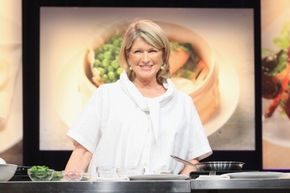

A smartly dressed woman in the sunlight in the kitchen brags about her love for ricotta cheese. As she briskly shovels ingredients – including cheese – into a skillet heated on the stove, she walks you through the dishes she’s prepared today in front of your eyes: warm arugula salad with walnuts, baked ziti with butternut squash, and for dessert, a simple but decadent toile crisp with raspberry compote and whipped mascarpone.
Your 30-minute cooking show is one of your favorite shows, and for a moment you wonder if you could recreate that exact meal at home. But like most made-for-TV products, the delicious spread has a secret ingredient you probably don’t have on hand: dozens of hands behind the scenes preparing and stirring the proverbial pot.
Almost all the cooking shows you see on TV start with the chefs on site preparing the food in advance. Sometimes up to 20 people in a fully equipped kitchen chop, beat and season the ingredients before the cooking program is recorded. For example, the Food Network Kitchen has five separate kitchens, each with a stove, oven, sink and refrigerator. This allows chefs to prepare food for several cooking shows in advance.
These prep kitchens, like those featured on some television cooking shows, also require fully stocked pantries. For example, competition cooking shows like “Iron Chef America” typically require pantries with 250 items for each guest chef, including nine different flours, seven different vinegars and five salts, and 30 different herbs and spices.
Not only do the chefs have the right ingredients on hand, but they also prepare “swap outs” in off-camera kitchens, which are different degrees of food that can be used in the cooking show. The next time you watch an instructional cooking show, pay attention to the carefully planned activities of certain sections – presentation, preparation of ingredients, cooking on the stove, seasoning, adding extra ingredients to the dish and to the plate. In many of these sections, you’ll likely see people working in the kitchen off-camera.
Despite all of this, it doesn’t necessarily mean that hosting a cooking show is easy. The presenter still has to cook and talk to the audience, often the producer communicates with headphones and the studio director gives silent instructions from the floor.
Cooking shows can also be challenging for the contestants, though perhaps not in the same way. Take Food Network’s “Chopped,” for example. The contestants of this show are tasked with preparing edible dishes from a basket filled with mystery ingredients. Filming one episode can take up to 12 hours. Often the participants don’t even cook; They are asked the same questions again in front of the camera or they wait for the judges’ decisions.
Regardless of the format – instructional, competition or a combination of both – understanding how a cooking show works is all about what goes on behind the scenes. There are just some things you can’t fully understand when you look at the end result.