


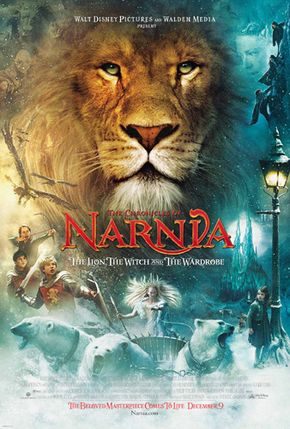
Forget the 1976 ABC special. Skip the 1979 animated feature. Even that 1998 BBC miniseries feels like ancient history now. The real question is how a studio actually films a world where trees talk and lions preach.
Studios were hesitant. They still are. Re-creating Narnia is a technical nightmare. You have talking animals. You have mythical beasts. You have battle scenes that would bankrupt a smaller budget. But then came Harry Potter. Then Lord of the Rings. Those films broke the ice. They showed that unknown kids could carry a blockbuster. They proved audiences would pay to see magical effects that actually worked.
Andrew Adamson (Shrek ) took the reins for The Lion, The Witch and the Wardrobe. Walden Media and Disney backed it. Filming happened in New Zealand. It followed Lucy, Edmund, Susan, and Peter Pevensie. They found Narnia through a wardrobe. The land was stuck in eternal winter. The White Witch ruled. The kids had to fight back with Aslan.
The scale is staggering. Sixty distinct races. Cultures. Languages. More than half the characters are computer-generated. Aslan is entirely CGI. Centaurs are actors in horse bodies with digital torsos.
“Three large animation studios — Rhythm & Hues, Industrial Light & Magic and Sony Imageworks — have had to work together to complete the movie.”
This wasn’t a solo effort. It was a global collaboration.
How The Lion, The Witch, And The Wardrobe Used Massive Technology
The production mirrors Lord of the Rings closely. They shot in New Zealand. Real snow for the Lantern Waste came from the Czech Republic. But the magic lies in the software.
Rhythm & Hues used Massive. It’s the same program from LOTR. It animates background fighters. It creates computerized armies. The system combines motion-capture suits with artificial intelligence. The digital soldiers think for themselves. They react to combat.
Weta Workshop designed the creatures. They made the armor. They crafted weapons. Lucy’s vial of healing cordial? Weta made that too. The workshop won Oscars for The Fellowship of the Ring and The Return of the King. This work built on that legacy.
Behind The Scenes of The Battle of Beruna
The battle scenes required massive coordination. Six hundred people were on set during filming. The army of 5,000 faced off against 15,000 enemies. It’s a logistical feat.
Animators spent two years on Aslan. Just him. One lion. They made him photo-realistic. The film has about 1,400 visual effects shots. That’s a lot of pixels to manage.
The snow in the Lantern Waste is cellulose. Sprayed on wet trees. The crew built the set in an equestrian center. It’s not a movie studio lot. It’s a horse arena with digital snow.
Some mice are real. Some wolves are real. Others are digital. The line between real and fake blurs.
Check the links below for more on C.S. Lewis and filmmaking. Or just wait for the sequel.
Related HowStuffWorks Articles
- How Industrial Light & Magic Works
- How Movie Distribution Works
- How Blue Screens Work
- How Movie Projectors Work
- How Sword Making Works
- How Creationism Works
- How Intelligent Design Works
More Great Links
- The Lion, The Witch, and the Wardrobe: Official Movie Site
- Walden Media
- NarniaWeb
- The Lion’s Call
- The Stone Table


