The Green Surge
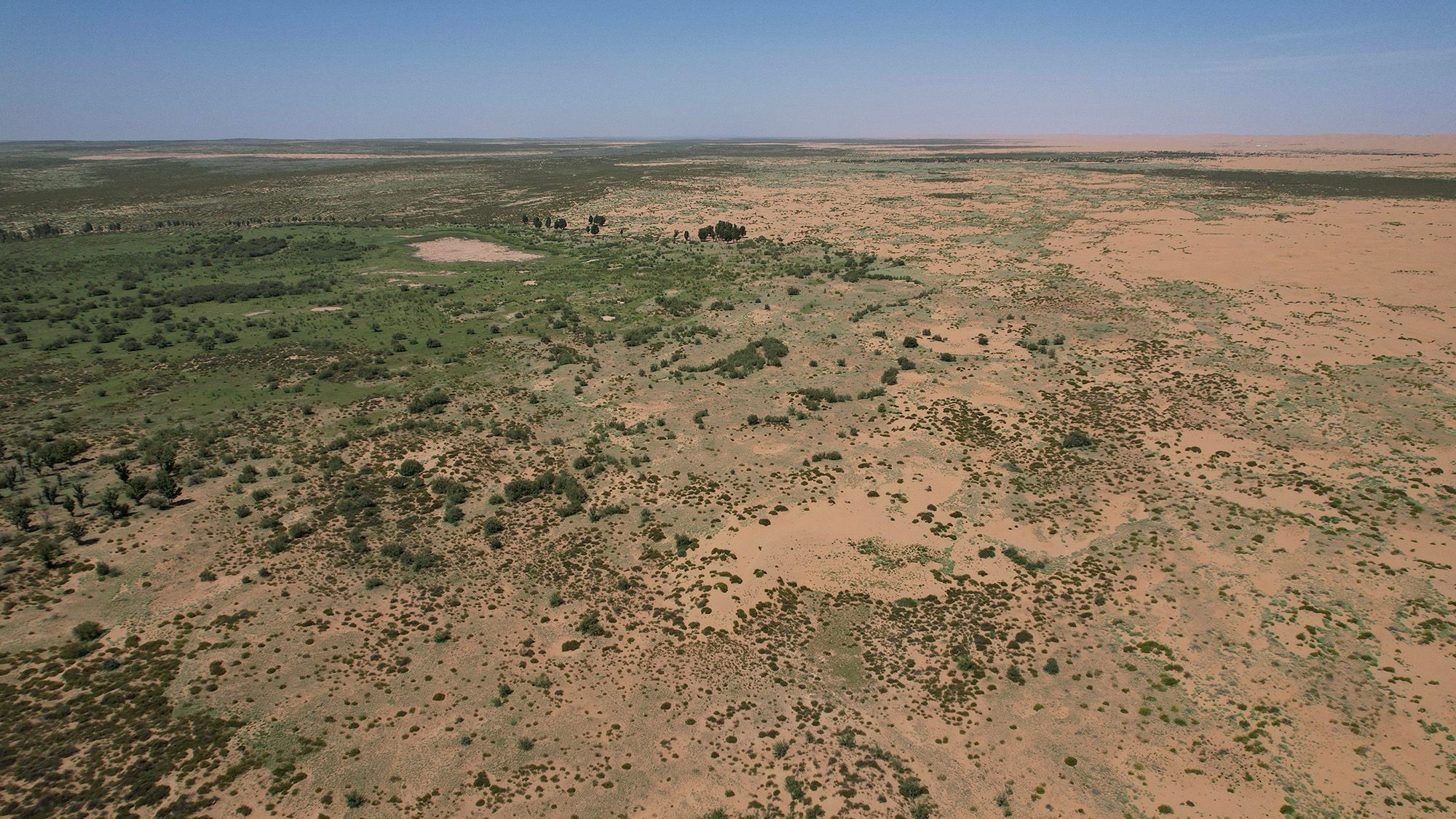
66 billion. That’s the count since 1978. China has dumped those trees into the dirt to build the Great Green Wall, a desperate bid to stop the Gobi and Taklamikan deserts from eating the land.
Now? They plan another 34 billion by 2150.
The country is turning green fast. Too fast? A new study suggests the planted trees are outgrowing natural forests. By a lot.
“Planted forests are widely used… but most global ecosystem models… do not distinguish between forest types adequately.”
— Yuhang Luo
Speed Over Substance
Yuhang Luo at Peking University led the charge. He wanted to know how age, density, and species mix affected growth under rising CO2.
He looked at the Leaf Area Index. Canopy density. A proxy for carbon uptake.
The results were stark.
Planted forests boosted their leaf area 66% quicker than wild ones. Why? Mostly because they’re young. Young things grow fast. Old things… don’t.
But wait. Even when matching for age? The planted trees still pulled ahead. By 4.6%. In mixed forests, the gap widened further.
Why Planted Wins
Management. That’s the trick.
Humans don’t just drop seeds and leave. They plant fast growers like eucalyptus or poplar. They weed out competition. They add fertilizer. It’s like doping the forest. Less fighting for water and light means those rising CO2 levels act as a potent booster.
There is a catch.
This speed bump hits its peak when the trees are 30-40 years old. Then it crashes.
Natural forests? They plod along. Slower start, yes. But they keep going. They have the endurance advantage.
Are we mistaking speed for sustainability?
Kevin Dsouza from the University of Waterloo wasn’t on the project, but he sees the flaw. He points out that leaf area isn’t everything.
“It’s not a bad proxy, but… carbon is stored… in wood, bark, roots and soil.”
— Kevin Dsouza
Other data suggests natural forests actually store more above-ground carbon early on. The canopy is just the hat. The rest of the body matters too.
Breaking the Models
Global climate models are blind.
They treat all forests the same. They ignore age. They miss the nuance. Luo says land management is subtle. It isn’t just “plant more trees.” It’s when. What. How.
We need to stop guessing.
If we want real mitigation, we have to understand the timeline. The short-term surge from planted trees is real. Useful? Sure. But it fades. Natural forests provide the long game.
So what now?
Better data. Better planting. Maybe we stop measuring success in greenery and start looking at what happens after forty years.
Who knows?
The original count was updated on July 1st. It’s 66 billion, not fewer. Just clarifying the scale. 🌲