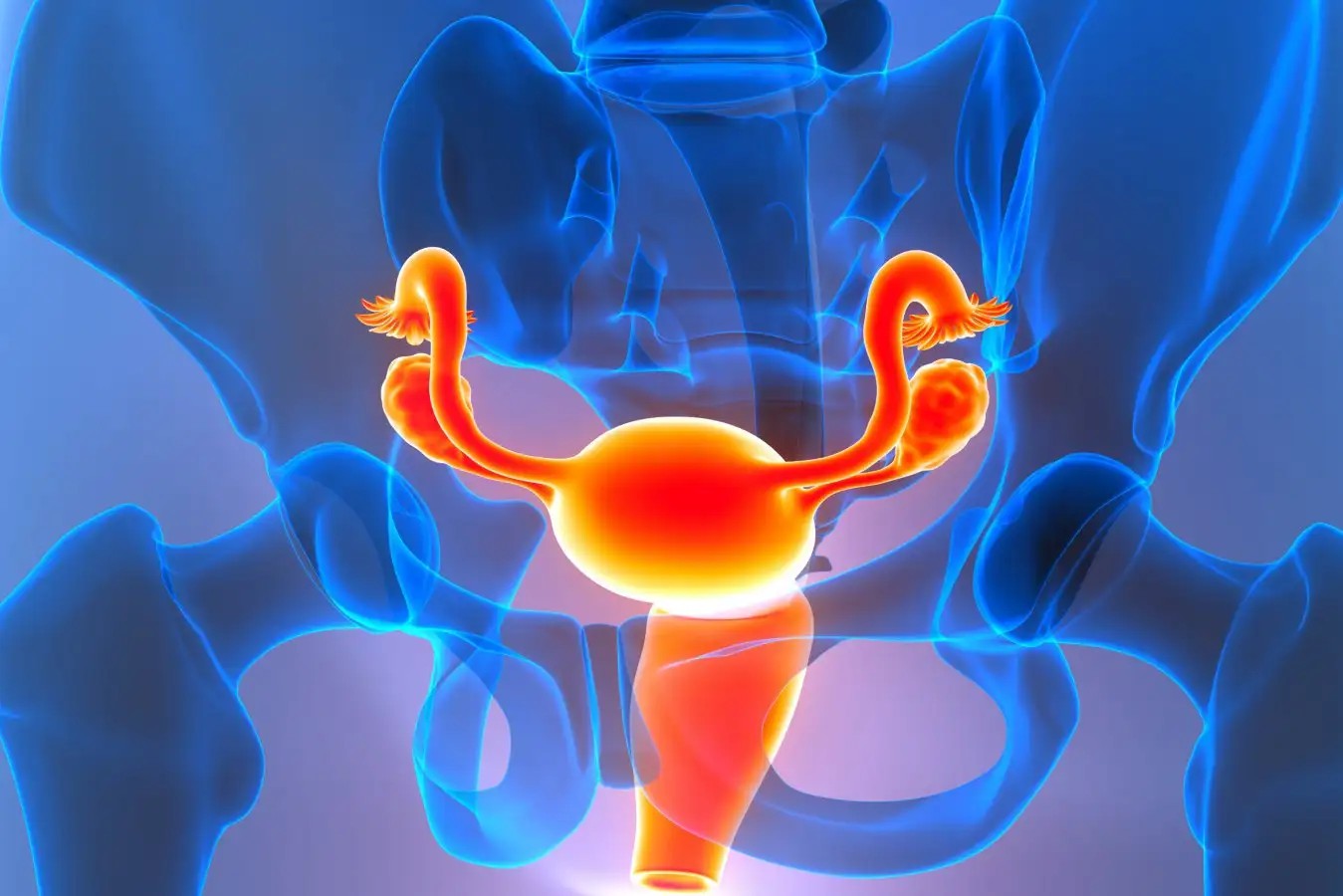
We thought the party was over. Once ovaries finished their reproductive duty and passed through menopause, we assumed they went inert. Shrunken. Scarred. Sitting there.
Do not count on that quiet life anymore.
Francesca Duncan at Northwestern University has some bad news, wrapped in scientific surprise. Ovaries in aged mice get infiltrated by immune cells. A lot of them. This suggests the organ isn’t resting; it is driving widespread inflammation after menopause.
“We assumed the organ had done its work,” Duncan says. “What we found was… super surprising.”
The Molecular Shift
Duncan’s team didn’t start with mice. In March, they published a study looking at human ovaries from women aged 50 to75. Note: This paper has not yet been peer-reviewed.
They expected uniformity. Old organs, mostly similar. They were wrong. The protein composition shifted dramatically over those decades.
The molecular signatures changed. Drastically.
The data screamed that the organ isn’t stagnant. It’s changing. Moving. Doing things nobody asked it to do.
To dig deeper, Duncan’s team looked at mice. They analyzed tissue and gene expression in young mice (2 months old), reproductively old ones (18 months), and post-reproductive subjects (24 months).
Mice are not humans, obviously. They don’t have menstrual cycles that shed uterine lining. They don’t hit “the menopause” the way we define it. Their egg reserves just dwindle, and their cycles go erratic.
But the principle holds. As Duncan puts it, “When we talk about menopause, we mean age-related decline in fertility. Mice absolutely go through that.”
Immune Invasion
Some results were boring in a good way. Older ovaries lost egg-producing follicles. More scarring showed up. Genes responsible for reproduction and estrogen creation, like estradiol, got downregulated. That part tracks.
Here is the twist.
Genes linked to inflammation got louder. Genes for immune activity turned up. The actual number of immune cells, T cells and macrophages included, increased as the mice aged.
Is this an immune superpower?
Probably not. Duncan suspects it is an identity crisis. The ovary loses its reproductive signature and adopts an immune one. “I don’t think that’s necessarily a good move,” she says.
This ties into inflammaging —chronic, low-grade inflammation common in aging tissues. If post-reproductive ovaries start releasing inflammatory signaling molecules, they could be communicating with the rest of the body in bad ways. Or they mean nothing. Who knows? Duncan isn’t ruling out silence yet.
Why Did We Evolve This?
Diana Laird from UC San Francisco sees parallels between the mice and humans. “Both stop cycling when immature egg cells drop below a critical threshold,” she notes. Fibrosis and increased nerve distribution match up, too.
Why did mice evolve this trait? Maybe it wasn’t for modern life. In ancient times, living to old age was rare. An immune reservoir in the ovaries might have helped women survive childbirth. Back then, a few decades in, the ovaries became immune hubs to help fight infections during high-risk reproductive years.
Now we live longer.
Those same signals might cause inflammation or autoimmune issues decades later. It’s an evolutionary hangover. A feature that became a bug.
To Leave or Not to Leave
Surgery aside, doctors usually leave ovaries in place post-menopause. Why? They still make androgens. Those hormones help maintain bone density and libido. Removing them feels like tossing good with bad.
Laird worries the data complicates things. Immune changes in these organs could fuel conditions like rheumatoid arthritis, which often flares after menopause.
The study doesn’t give easy answers. It raises loud questions. Do we need detailed studies on these cellular components? Yes. Do we understand the post-reproductive ovary yet? No.
The findings are a call to carry out functional studies on what these organs are actually doing now.
The ovaries are busy. Even if they have no eggs left to give, they seem determined to shout. Maybe they’re just aging loudly. Or maybe they’re causing the ache we blame on getting older.
It’s hard to leave them be. Harder still to know why they’ve changed.