We are drowning in glass rectangles. Nearly eight in ten Americans carry a smartphone, turning these devices into the new masters of daily existence. They have swallowed the tape measure, the flashlight, the wristwatch, and even the standalone camera. We scroll, tap, and swipe through five hours of our lives every single day. It is hard to walk down a city street without bumping into someone whose eyes are locked onto a screen, oblivious to the physical world.
Yet, this dominance is surprisingly young. The modern smartphone era really began with the iPhone’s multi-touch interface just over a decade ago. That device combined mobile internet with computing power in a way that felt like magic. But the pace of technological progress does not wait for our nostalgia. It races ahead.
The uncomfortable truth is that the smartphone as we know it has a shelf life. A 2015 survey by telecommunications giant Ericsson revealed a startling consensus: half of all smartphone users expected their devices to become obsolete by 2020. The clock is ticking.
So, what comes next?
Beyond the screen
The prediction is not that we will simply get a better phone with a larger screen. The shift is far more radical. Experts suggest we are moving from “accessing the internet” to “living in the internet,” as futurist Jack Uldrich puts it. This means the hardware will vanish.
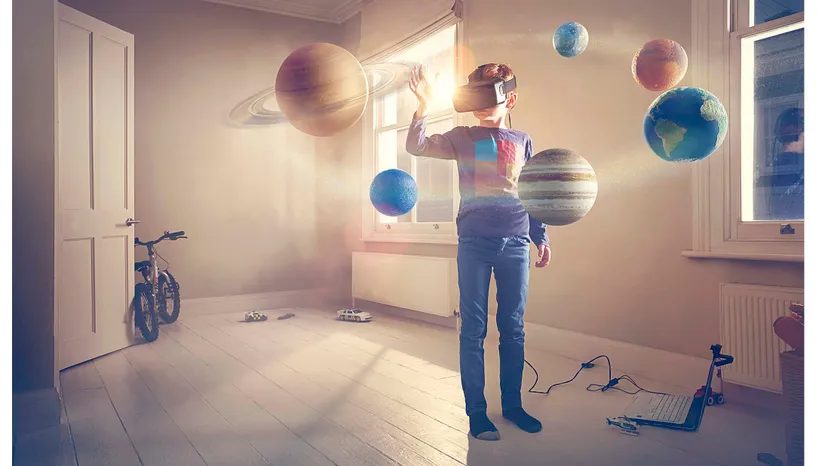
Forget the palm-sized rectangle. The next generation of devices will likely be invisible. Brad Berens, chief strategy officer at the USC Annenberg School for Communication and Journalism, predicts the rise of personal area networks. Imagine tiny gadgets hidden in necklace beads, woven into eyeglass frames, or embedded in contact lenses. These devices will use augmented reality (AR) and virtual reality (VR) to project information directly into your field of vision.
There will be no screens to look at. Instead, you will look through the interface.
Interaction will change too. Finger gestures may give way to voice commands or air movements. Haptic technology could simulate the sensation of touching virtual objects, making the digital feel physical. We are looking at a world where typing might become as rare as writing with a fountain pen.
“Just as I can’t type as fast as my kids, they won’t be able to do the haptic gestures of the future as fast as the kindergarteners of today eventually will be able to do.”
— Jack Uldrich
The AI in your ear
The hardware is only half the story. The software is getting smarter, quieter, and more intrusive. We are moving toward next-generation intelligent assistants. These will not be the clunky voice bots of today. They will be intuitive systems that learn our habits, predicting what we need before we even realize we need it.
Uldrich suggests these assistants will monitor eye movements. If you stare at a landmark for two seconds, the system assumes you want information about it and delivers it immediately. Berens envisions assistants whispering in your ear or projecting text only you can see. Struggling to remember a friend’s name? A reminder might flash before your eyes.
But this convenience comes with a social cost. If devices can mediate our interactions, will we stop interacting with people altogether?
We already see the seeds of this in public transport. People use phones to avoid the person sitting next to them. Teenagers text instead of talk. Dating apps like Tinder allow us to meet people without the awkwardness of approaching a stranger. Berens notes that this creates “filter bubbles,” a term coined by author Eli Pariser. We live in curated worlds where we rarely encounter opposing viewpoints or the messy reality of unmediated human connection.
Invisible computing
The future of personal communication devices is not just about better data. It is about a fundamental change in how we perceive reality. These devices may include selfie drones that extend our computing zone beyond our physical bodies. As Berens points out, a drone could capture what is behind your head, feeding that data back into your personal network.
We do not have a catchy name for these gadgets yet. They won’t be sleek boxes with glass screens. They might not even be a single gadget. They will be a cluster of sensory extensions, always on, always watching, always whispering.
We are standing at the edge of a transition that feels inevitable yet entirely unknown. The smartphone served its purpose well. It taught us to carry the world in our pockets. Now, it is preparing to dissolve into the air around us.
Will we embrace the silence of a world without screens? Or will we find new ways to isolate ourselves, even more completely? We will have to start using these new tools to find out. The next chapter is unwritten.