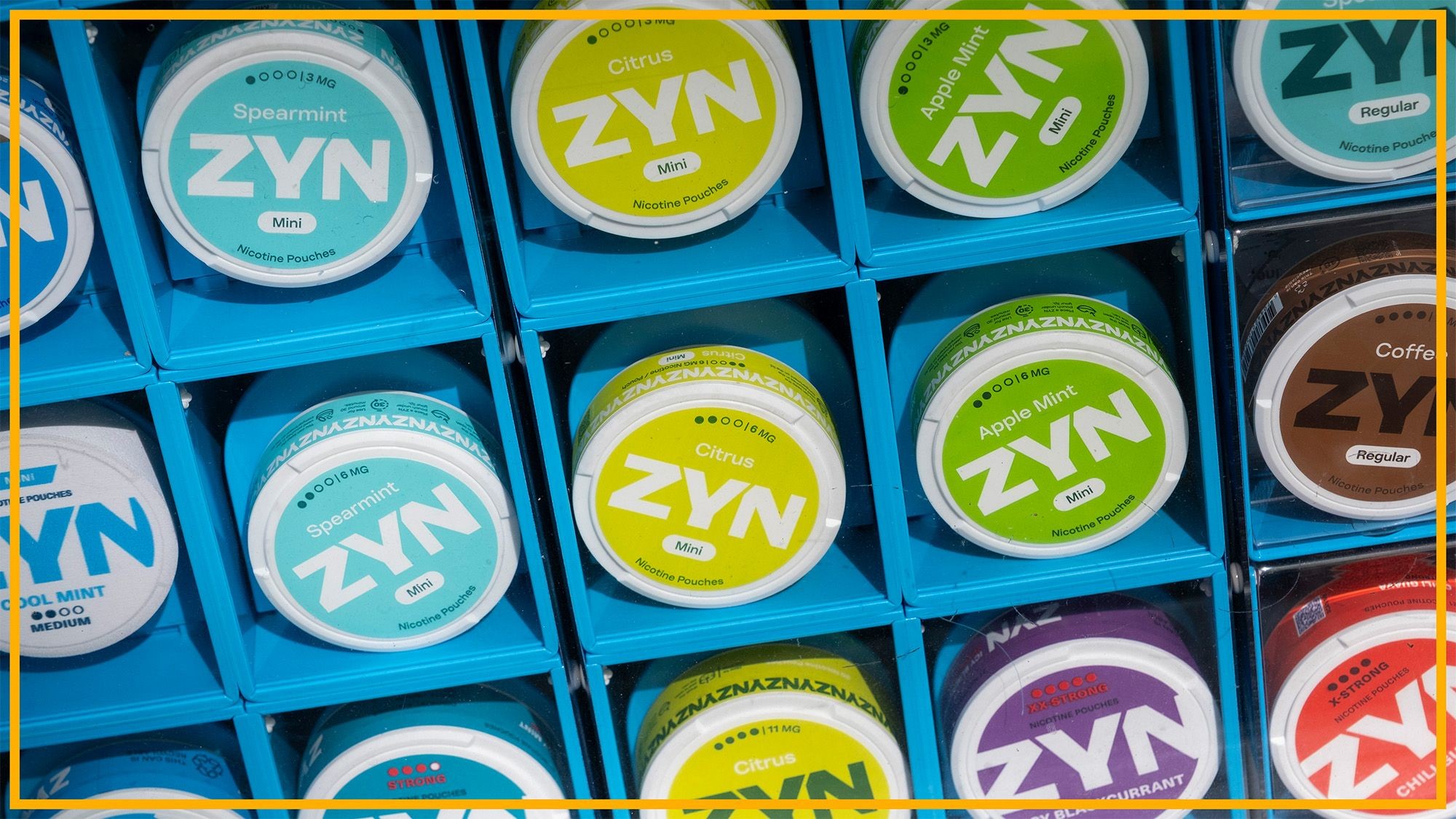
It is quiet. Too quiet for a health crisis, maybe, but there it is.
Researchers are sounding the alarm on nicotine pouches among US teenagers and young adults. We watch this space for a living, and it is worrying. Discreet products. Hidden from plain sight. Are we letting a new wave of addiction happen on our watch? Probably.
Action is required. Not tomorrow. Today.
Stop the flavored options. Cut the nicotine concentration down to manageable levels. Crack down on deceptive marketing claims. Until the regulators catch up, we need to tell educators, parents, and the kids themselves exactly what is going on. Information is the only shield right now.
So why panic? Because these little pillow-like things, tucked between the gum and the lip, are now the second most used tobacco product among American teens. Recent surveys show 2.3 percent of high schoolers and roughly 1 percent of middle schoolers used them in the past month. That translates to 460,00 students.
Look at the flavor preference. Over nine in ten users pick a flavored pouch. Mint leads the pack.
Is it bigger than e-cigarettes? No. But it beats out traditional cigarettes, cigars, and other smokeless tobacco. While the use of those older products stayed flat or dipped, pouch numbers went up. Only up.
Here is the problem: You cannot see them. No smoke. No aerosol cloud like with a vape. Just a small, concealable square of nicotine.
It is intentional. Big tobacco designed it this way.
An adolescent can sit through math class and inhale—well, absorb—a heavy hit of nicotine. Nobody knows. No cough. No smell.
The pouch holds nicotine powder. Sourced from plants or synthesized in a lab. Then comes the trick. Add acidity regulators. Add flavors.
We are talking desserts. Fruity bursts. Minty freshness. Coffee vibes. Cocktail notes. These are flavors built to trigger the reward centers in a developing brain.
One pouch delivers as much nicotine as one to four cigarettes. Sometimes more.
And yes. It is highly addictive.
It hurts attention spans. It wreckes impulse control. It tanks academic performance. It drags on mental health. For the body, smokeless oral nicotine threatens heart health. It raises the risk of death for anyone with pre-existing heart conditions.
Do not be fooled by the percentages.
2.3 percent sounds small. It is not. History is rhyming with us.
Remember the e-cigarette surge? It started slow. Low numbers on paper. By the time national data flagged the increase, the behavior was already entrenched. Thousands of addicted kids were already in the pipeline. Surveillance lags reality. It always does.
At Stanford Medicine’s REACH lab, we talk to thousands of teachers. We give free tobacco prevention curricula to schools across the US. We heard the same story everywhere. From hundreds of parents and educators. Nicotine pouches are the new elephant in the room.
We spoke to over 1,20 people. We made a course.
It is called Not So Sweet.
Free to use. Available to anyone working with teens. It breaks down oral nicotine. It explains the health effects. It exposes the marketing tactics designed to snag young users. In a matter of weeks, more than 1,50 users jumped in.
They are worried. We should be too.
Who is selling all this?
Three giants dominate the US market: ZYN, On!, and VELO. They belong to Philip Morris International, Altria, British American Tobacco.
These companies have decades of practice in selling nicotine. They are not amateurs. They know exactly what tropes work.
Ads tell you these pouches help you socialize. They help you unwind. They make you look cool to a potential partner. The message is always about discretion. Use them anywhere. Without looking.
It worked. Sales soared.
ZYN is basically a household name now. Nicknames like Zynnie or Zyndulgence are slang on every campus. It became the Coke of colas. The Juul of vapes. The brand is the category.
And here is the regulatory catch.
The FDA recently authorized certain Zyn products to claim a reduced risk. The label says using Zyn instead of cigarettes lowers your risk of mouth cancer, heart disease. It reduces the risk of lung cancer. Stroke. Emphysema.
Good? For an adult smoker switching from combustible cigarettes? Maybe.
But teens are not swapping ZYN for cigarettes. They are swapping nothing for ZYN.
Most kids using pouches are new users. Or they are combining them with other nicotine sources. They are not quitting smoking. They are starting.
It is not Zyn versus cigarettes.
It is Zyn versus a clear brain.
The flavors are sweet. The product is dangerous.
It mirrors the cigarette playbook. It mirrors the vape playbook. A product tailored for youth appeal. High nicotine. Low immediate physical visibility. High long-term cost.
We have seen this before. Do we really want to repeat it?
We need to act. Before the next generation is fully locked in.
Editor’s Note: Bonnie Halpern-Felisher has served as an expert witness against tobacco companies in legal cases.